THE ADVENTURE COLLECTIVE® · Independent discovery and booking for outdoor travel

Ride the elevator up to T38 for uninterrupted, 360° views over Sapporo from about 160 meters. This accessible observatory above Sapporo Station is a quick, rewarding stop for cityscapes, seasonal color, and planning nearby outings.
Ride the elevator up to T38 for uninterrupted, 360° views over Sapporo from about 160 meters. This accessible observatory above Sapporo Station is a quick, rewarding stop for cityscapes, seasonal color, and planning nearby outings.
Stepping into the JR Tower Observatory T38 feels like climbing into a glass watchtower above a living city. At roughly 160 meters up, the panoramic windows frame Odori Park’s long green spine, the bright cluster of Susukino’s neon, and the ridgelines of Maruyama and Teine pushing the skyline outward. On a clear day, the city spreads like a living map; low clouds and winter snow alter that map with sudden drama, as if the weather itself is rearranging the streets.
Verified experiences and guided adventures in the surrounding area.
Operated by HANATOUR JAPAN CO.LTD · Sapporo, Hokkaido
Stepping into the JR Tower Observatory T38 feels like climbing into a glass watchtower above a living city. At roughly 160 meters up, the panoramic windows frame Odori Park’s long green spine, the bright cluster of Susukino’s neon, and the ridgelines of Maruyama and Teine pushing the skyline outward. On a clear day, the city spreads like a living map; low clouds and winter snow alter that map with sudden drama, as if the weather itself is rearranging the streets.
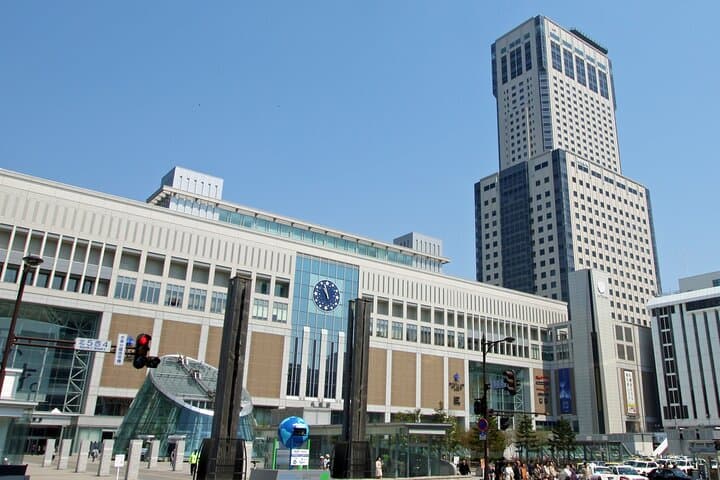
JR Tower sits above Sapporo Station, a modern anchor built over 20 years ago to knit transit, shopping, and office life together. Geologically, you’re looking over a basin carved by rivers flowing from nearby hills; culturally, the view stitches municipal landmarks—Odori Park’s seasonal displays, Okurayama’s ski-jump silhouette—into one readable scene. The observatory’s design emphasizes ease: elevators deliver you to the viewing floor where placards point out peaks, parks, and neighborhoods.
For planning, aim for late afternoon to catch daylight and early city lights, but expect crowds at sunset. The visit is accessible and requires only a mobile voucher or printed ticket; elevators and smooth flooring make the level easy to navigate. Bring a compact camera or binoculars, layer up for winter gusts near the glass, and give yourself 60–90 minutes to absorb changing perspectives. Whether you’re timing a city stroll or scouting longer hikes into the nearby hills, T38 is a practical, immediate way to orient yourself—and to let Sapporo’s scale and seasonal moods guide the next step of your trip.
easy.
2–3 hours.
Suitable for all fitness levels—this is an elevator-accessible viewpoint with minimal walking required
Most visitors spend 45–90 minutes; allow up to 2–3 hours if you plan to visit the station complex and nearby shops.
No fixed time slots are required—tickets are mobile or paper and can be purchased beforehand to reduce wait time.
Yes—elevators and smooth flooring provide step-free access to the viewing floor.
Late afternoon into early evening provides the most dramatic range—clear days offer distant mountain visibility, while winter nights reveal city lighting.
JR Tower was developed above Sapporo Station to integrate transport with retail and office space, creating a modern hub that also offers a public vantage point over the city.
Use public transport to reach the tower and follow posted rules about not leaning on glass or leaving litter—minimizing impact preserves the urban view for everyone.
HANATOUR JAPAN CO.LTD operates guided outdoor trips and adventures with an emphasis on safety, stewardship, and memorable experiences.
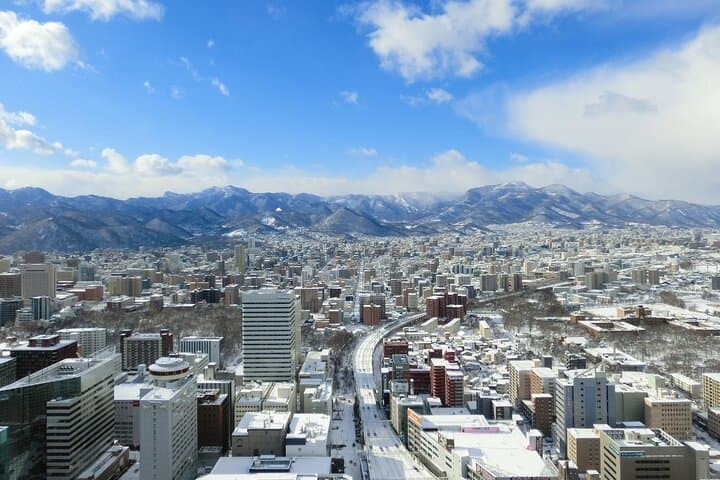
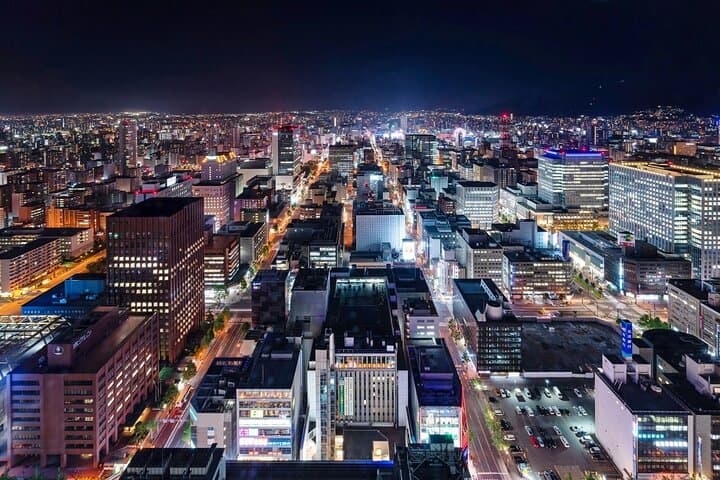
Stepping into the JR Tower Observatory T38 feels like climbing into a glass watchtower above a living city. At roughly 160 meters up, the panoramic windows frame Odori Park’s long green spine, the bright cluster of Susukino’s neon, and the ridgelines of Maruyama and Teine pushing the skyline outward. On a clear day, the city spreads like a living map; low clouds and winter snow alter that map with sudden drama, as if the weather itself is rearranging the streets.
Stepping into the JR Tower Observatory T38 feels like climbing into a glass watchtower above a living city. At roughly 160 meters up, the panoramic windows frame Odori Park’s long green spine, the bright cluster of Susukino’s neon, and the ridgelines of Maruyama and Teine pushing the skyline outward. On a clear day, the city spreads like a living map; low clouds and winter snow alter that map with sudden drama, as if the weather itself is rearranging the streets.
JR Tower sits above Sapporo Station, a modern anchor built over 20 years ago to knit transit, shopping, and office life together. Geologically, you’re looking over a basin carved by rivers flowing from nearby hills; culturally, the view stitches municipal landmarks—Odori Park’s seasonal displays, Okurayama’s ski-jump silhouette—into one readable scene. The observatory’s design emphasizes ease: elevators deliver you to the viewing floor where placards point out peaks, parks, and neighborhoods.
For planning, aim for late afternoon to catch daylight and early city lights, but expect crowds at sunset. The visit is accessible and requires only a mobile voucher or printed ticket; elevators and smooth flooring make the level easy to navigate. Bring a compact camera or binoculars, layer up for winter gusts near the glass, and give yourself 60–90 minutes to absorb changing perspectives. Whether you’re timing a city stroll or scouting longer hikes into the nearby hills, T38 is a practical, immediate way to orient yourself—and to let Sapporo’s scale and seasonal moods guide the next step of your trip.