THE ADVENTURE COLLECTIVE® · Independent discovery and booking for outdoor travel

Explore Jozani’s mangrove boardwalk and a working spice farm in one immersive half-day. Expect close encounters with the endemic red colobus, hands-on spice tasting, and a guided look at coastal ecology and Swahili farming traditions.
Explore Jozani’s mangrove boardwalk and a working spice farm in one immersive half-day. Expect close encounters with the endemic red colobus, hands-on spice tasting, and a guided look at coastal ecology and Swahili farming traditions.
Dawn filters through tall mangrove roots as a small group steps onto the boardwalk at Jozani. The air is thick with salt and spice—mangrove mud gives way to damp leaf litter, and distant calls announce the island’s most famous resident: the Zanzibar red colobus. A visitor moves deliberately, guided by a local naturalist who points out crab burrows, termite mummies, and the subtle scent of clove lingering on the breeze.
Verified experiences and guided adventures in the surrounding area.
Operated by Serengeti adventure · Jozani, Zanzibar
Dawn filters through tall mangrove roots as a small group steps onto the boardwalk at Jozani. The air is thick with salt and spice—mangrove mud gives way to damp leaf litter, and distant calls announce the island’s most famous resident: the Zanzibar red colobus. A visitor moves deliberately, guided by a local naturalist who points out crab burrows, termite mummies, and the subtle scent of clove lingering on the breeze.
Jozani-Chwaka Bay National Park protects lowland rainforest and rare mangrove systems shaped by Pleistocene sea-level shifts and the island’s coral limestone foundation. Nearby spice gardens at Kizimbani recall centuries of commerce: cloves, nutmeg, cinnamon and vanilla that turned Zanzibar into the “Spice Island” and shaped Swahili culture and cuisine.
The combined walk is both ecological and cultural—one moment tracing monkey paths among canopy roots, the next kneeling to smell a fresh clove or taste a tamarind. Guides describe conservation challenges, local uses for plants, and traditional Swahili food served at the spice farm.
Practicalities: the program runs about 4–5 hours, uses mostly flat, short boardwalks and farm paths, and is suitable for most fitness levels. Wear sturdy, closed-toe shoes for muddy sections, bring insect repellent and sun protection, and plan visits outside the long rains for the driest boardwalk conditions. Respect viewing distances for the red colobus and stay on designated paths—the park’s health depends on low-impact visitation. This walk pairs natural history with sensory exploration: a compact, accessible day that leaves travelers with a clearer sense of Zanzibar’s living landscape and culinary roots.
easy.
4–5 hours.
Suitable for most travelers; requires walking on flat boardwalks and farm tracks for several hours
The activity lasts about 4–5 hours and is rated easy—mostly flat boardwalks and farm trails suitable for most fitness levels.
Sightings are common but not guaranteed; visiting earlier in the day and keeping noise to a minimum improves chances.
Yes—lunch and bottled water are included; meals typically feature Swahili-style dishes prepared with local spices, with vegetarian options often available on request.
Guided walks and entrance fees are generally included through the tour operator; confirm with booking details to be sure.
Jozani and nearby spice plantations reflect Zanzibar’s role in the Indian Ocean spice trade; cloves and other spices drove the island’s economy and cultural exchange for centuries.
The red colobus and mangrove habitats face pressure from land use and erosion; staying on trails, using local guides, and supporting park fees help conservation efforts.
Serengeti adventure operates guided outdoor trips and adventures with an emphasis on safety, stewardship, and memorable experiences.

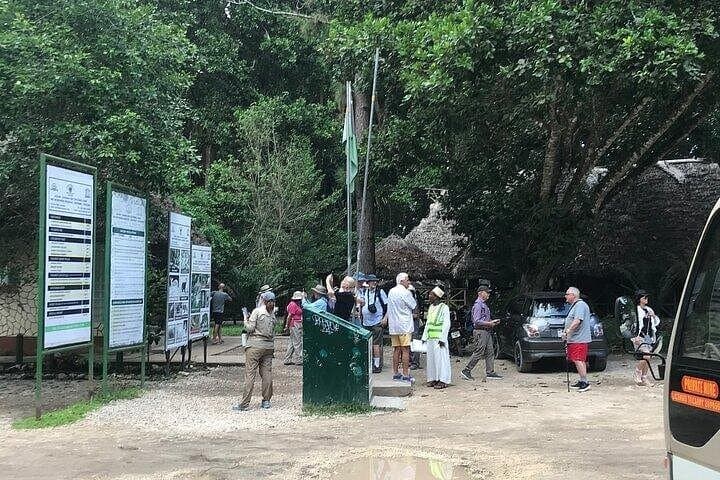
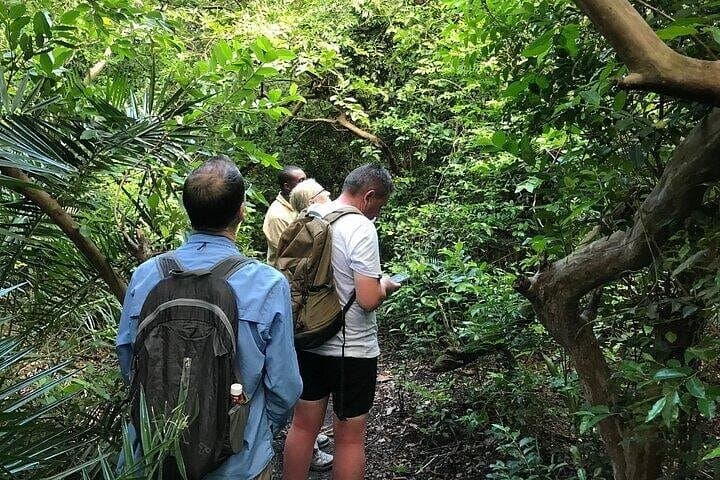
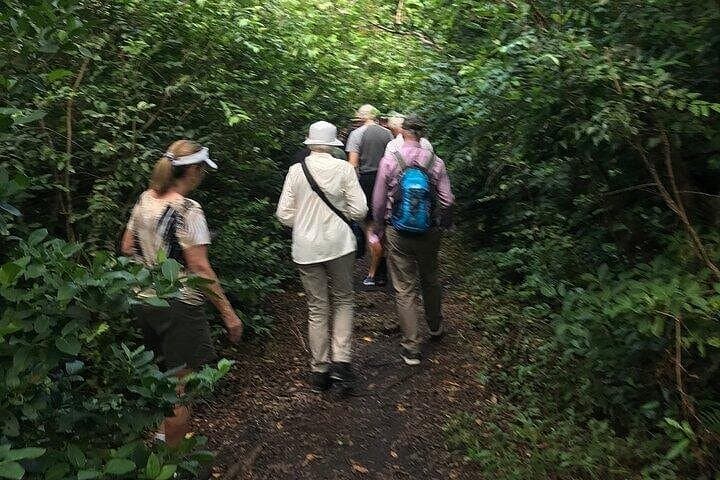
Dawn filters through tall mangrove roots as a small group steps onto the boardwalk at Jozani. The air is thick with salt and spice—mangrove mud gives way to damp leaf litter, and distant calls announce the island’s most famous resident: the Zanzibar red colobus. A visitor moves deliberately, guided by a local naturalist who points out crab burrows, termite mummies, and the subtle scent of clove lingering on the breeze.
Dawn filters through tall mangrove roots as a small group steps onto the boardwalk at Jozani. The air is thick with salt and spice—mangrove mud gives way to damp leaf litter, and distant calls announce the island’s most famous resident: the Zanzibar red colobus. A visitor moves deliberately, guided by a local naturalist who points out crab burrows, termite mummies, and the subtle scent of clove lingering on the breeze.
Jozani-Chwaka Bay National Park protects lowland rainforest and rare mangrove systems shaped by Pleistocene sea-level shifts and the island’s coral limestone foundation. Nearby spice gardens at Kizimbani recall centuries of commerce: cloves, nutmeg, cinnamon and vanilla that turned Zanzibar into the “Spice Island” and shaped Swahili culture and cuisine.
The combined walk is both ecological and cultural—one moment tracing monkey paths among canopy roots, the next kneeling to smell a fresh clove or taste a tamarind. Guides describe conservation challenges, local uses for plants, and traditional Swahili food served at the spice farm.
Practicalities: the program runs about 4–5 hours, uses mostly flat, short boardwalks and farm paths, and is suitable for most fitness levels. Wear sturdy, closed-toe shoes for muddy sections, bring insect repellent and sun protection, and plan visits outside the long rains for the driest boardwalk conditions. Respect viewing distances for the red colobus and stay on designated paths—the park’s health depends on low-impact visitation. This walk pairs natural history with sensory exploration: a compact, accessible day that leaves travelers with a clearer sense of Zanzibar’s living landscape and culinary roots.