THE ADVENTURE COLLECTIVE® · Independent discovery and booking for outdoor travel

Walk among the rare Zanzibar red colobus in Jozani Forest, then follow scent trails through working spice farms where cloves and cinnamon still shape island life. This half-day tour blends wildlife, geology and local culture with hands-on spice tastings.
Walk among the rare Zanzibar red colobus in Jozani Forest, then follow scent trails through working spice farms where cloves and cinnamon still shape island life. This half-day tour blends wildlife, geology and local culture with hands-on spice tastings.
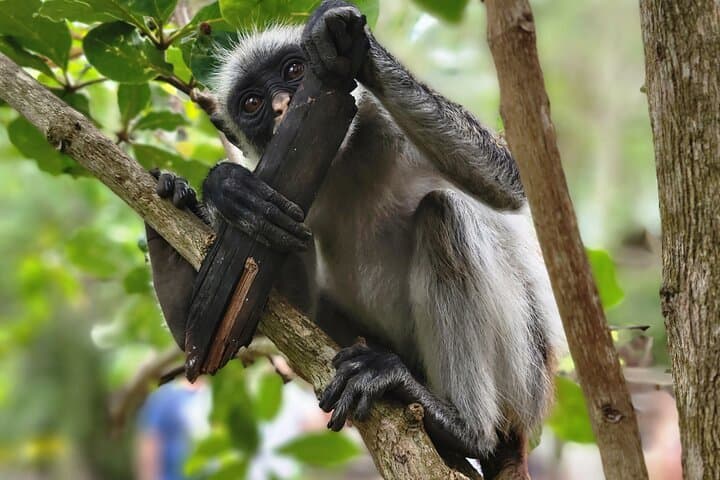
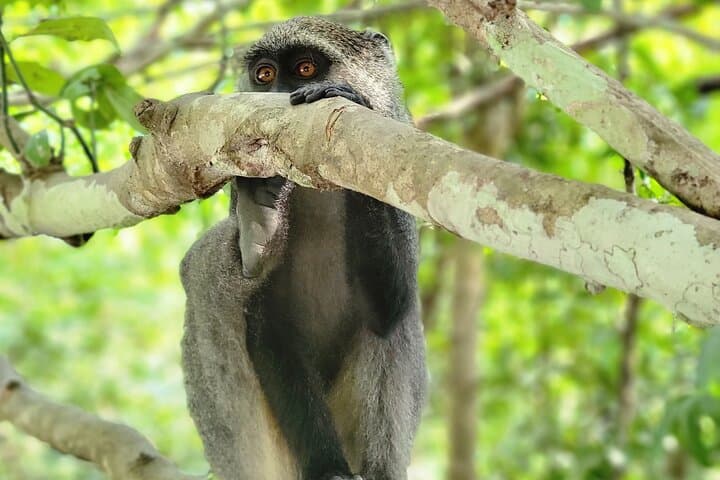
Morning humidity lifts off the mangroves as you step from the vehicle into Jozani’s shaded trailhead, the air thick with damp earth and distant calls. A small troop of Zanzibar red colobus pauses on a high branch, turning curious faces toward the group while the guide outlines their behavior; sunlight strips through the canopy in bright ribbons onto the red-brown leaf litter.
Verified experiences and guided adventures in the surrounding area.
Operated by Zanziphoria | Zanzibar Tours · Chwaka / Jozani area, Zanzibar
Morning humidity lifts off the mangroves as you step from the vehicle into Jozani’s shaded trailhead, the air thick with damp earth and distant calls. A small troop of Zanzibar red colobus pauses on a high branch, turning curious faces toward the group while the guide outlines their behavior; sunlight strips through the canopy in bright ribbons onto the red-brown leaf litter.
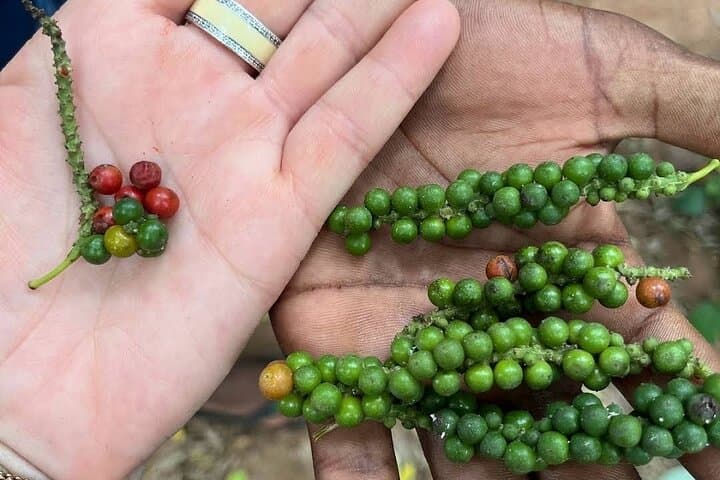
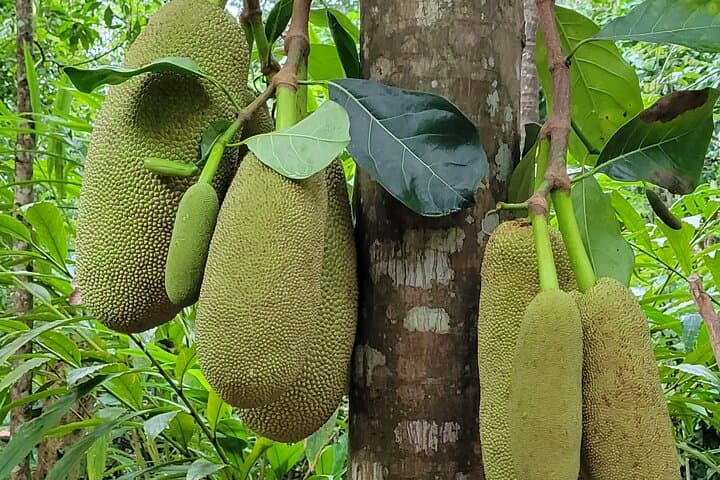
Jozani Chwaka Bay National Park is Zanzibar’s only national park, formed on coral rag and mangrove-filled estuaries where tidal currents shape channels and sediment. The Spice Farm experience shifts the senses — cloves, cinnamon, nutmeg and cardamom hang heavy on low trunks, and local farmers explain colonial-era clove economics and the island’s role in Indian Ocean trade.
Culturally, the tour runs through Swahili coastal life: agricultural practices, household medicine, and market flavors that still trace routes to Omani and Portuguese influence. Geologically, the island’s shallow coral limestone and mangrove soils create the tidal flats and forest islands you’ll explore.
Practical guidance: wear closed-toe shoes for uneven roots and boardwalks, bring insect repellent, and hydrate — the park walk plus plantation visit runs about 4–5 hours with several short stops for photography and tasting. Follow the guide’s instructions around wildlife, keep to marked trails and avoid feeding monkeys. Expect gentle climbs, muddy patches after rain, and shaded paths that make midday heat manageable. The combined walk is accessible to moderately fit travelers and offers a compact, sensory overview of Zanzibar’s natural and agricultural landscapes.
moderate.
4–5 hours.
Moderately fit — able to walk for 2–3 hours with short breaks over uneven terrain.
Yes — the tour listing includes entrance fees for Jozani Forest and the spice farm as part of the standard itinerary.
Jozani is about 40–50 minutes from Stone Town by road; most tours offer pickup from Stone Town/Stone Town hotels — confirm your pickup point when booking.
Sightings are common but not guaranteed; guides know habitual troop areas and the walk maximizes chances without disturbing the animals.
Yes — spice farms are family-friendly, with sensory tastings and short walks, though small children should be supervised around plants and paths.
Zanzibar’s spice plantations expanded under Omani and later colonial influence; cloves became the island’s dominant export in the 19th and early 20th centuries.
Local NGOs and park authorities work to protect the red colobus and mangrove habitats; visitors help by staying on trails, not feeding wildlife, and supporting community-run initiatives.
Zanziphoria | Zanzibar Tours operates guided outdoor trips and adventures with an emphasis on safety, stewardship, and memorable experiences.
Morning humidity lifts off the mangroves as you step from the vehicle into Jozani’s shaded trailhead, the air thick with damp earth and distant calls. A small troop of Zanzibar red colobus pauses on a high branch, turning curious faces toward the group while the guide outlines their behavior; sunlight strips through the canopy in bright ribbons onto the red-brown leaf litter.
Morning humidity lifts off the mangroves as you step from the vehicle into Jozani’s shaded trailhead, the air thick with damp earth and distant calls. A small troop of Zanzibar red colobus pauses on a high branch, turning curious faces toward the group while the guide outlines their behavior; sunlight strips through the canopy in bright ribbons onto the red-brown leaf litter.
Jozani Chwaka Bay National Park is Zanzibar’s only national park, formed on coral rag and mangrove-filled estuaries where tidal currents shape channels and sediment. The Spice Farm experience shifts the senses — cloves, cinnamon, nutmeg and cardamom hang heavy on low trunks, and local farmers explain colonial-era clove economics and the island’s role in Indian Ocean trade.
Culturally, the tour runs through Swahili coastal life: agricultural practices, household medicine, and market flavors that still trace routes to Omani and Portuguese influence. Geologically, the island’s shallow coral limestone and mangrove soils create the tidal flats and forest islands you’ll explore.
Practical guidance: wear closed-toe shoes for uneven roots and boardwalks, bring insect repellent, and hydrate — the park walk plus plantation visit runs about 4–5 hours with several short stops for photography and tasting. Follow the guide’s instructions around wildlife, keep to marked trails and avoid feeding monkeys. Expect gentle climbs, muddy patches after rain, and shaded paths that make midday heat manageable. The combined walk is accessible to moderately fit travelers and offers a compact, sensory overview of Zanzibar’s natural and agricultural landscapes.