THE ADVENTURE COLLECTIVE® · Independent discovery and booking for outdoor travel

Walk beneath coral rag and mahogany to find Zanzibar’s endemic red colobus, then cross the Pete-Jozani boardwalk through a mangrove creek. This 3–4 hour tour from Stone Town pairs easy trails with a ranger-led look at island conservation.
Walk beneath coral rag and mahogany to find Zanzibar’s endemic red colobus, then cross the Pete-Jozani boardwalk through a mangrove creek. This 3–4 hour tour from Stone Town pairs easy trails with a ranger-led look at island conservation.
You step out of the van and the air changes—warm, damp, scented with earth and eucalyptus. A ranger points up into a mottled canopy where a flash of rust-red replies: the Zanzibar red colobus is watching. The forest floor is a soft mix of leaf litter and coral rag, and boardwalk planks creak as you move toward the mangroves where roots thread the tidal creek.
Verified experiences and guided adventures in the surrounding area.
Operated by Colors of Zanzibar · Jozani, Zanzibar
You step out of the van and the air changes—warm, damp, scented with earth and eucalyptus. A ranger points up into a mottled canopy where a flash of rust-red replies: the Zanzibar red colobus is watching. The forest floor is a soft mix of leaf litter and coral rag, and boardwalk planks creak as you move toward the mangroves where roots thread the tidal creek.
Jozani-Chwaka Bay is the island’s largest remaining forest and a conservation success: the red colobus population recovered from near-extinction to roughly 6,000 animals through local protection and research. Geologically the park sits on uplifted coral limestone that fractures into pockets holding freshwater and swamp; culturally the forest has long supported nearby villages with medicinal plants and honey.
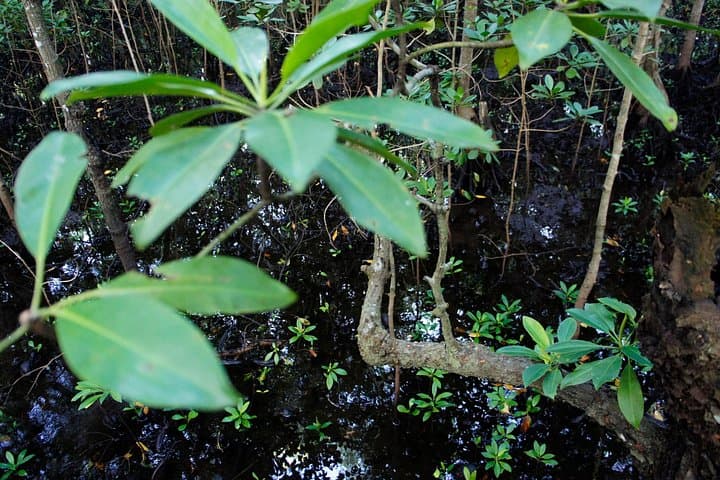
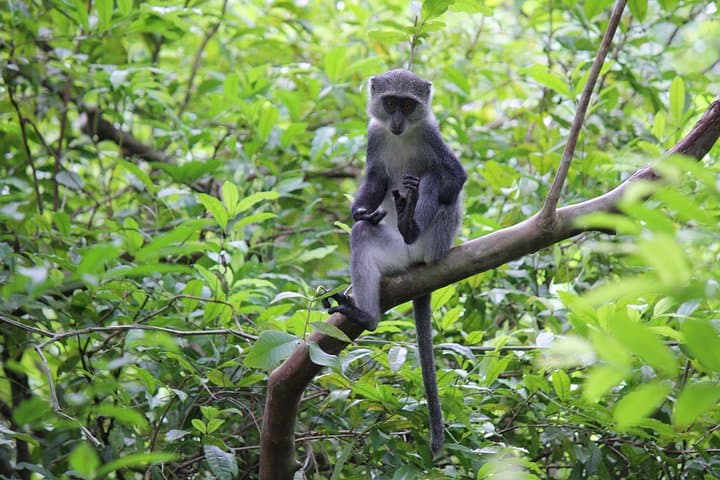
The experience is compact and tactile—about a 2–3 km loop through shaded trails with minimal elevation gain and a 500–800 m wooden boardwalk through mangroves. Expect eucalyptus and mahogany silhouettes, quick birdsong, and small crabs on muddy roots. Rangers lead the group, help spot primates and explain mangrove ecology, including how these trees slow coastal erosion.
Practical guide: plan mornings for cooler light and more active monkey behavior; bring insect repellent, a refillable water bottle, and a light rain layer in the wet months. Stick to paths, keep cameras quiet, and resist feeding wildlife. The site is accessible from Stone Town with roughly a 45-minute drive; tours run 3–4 hours including transfer. This is an easy, high-reward nature stop that rewards patience and a respectful pace.
easy.
3–4 hours.
Suitable for all fitness levels; requires standing and short, easy walks over uneven ground.
The drive to Jozani takes roughly 45 minutes each way; the guided visit and boardwalk walk make the total tour about 3–4 hours.
Rangers maximize viewing chances but wildlife is never guaranteed; mornings and quieter visits improve your odds significantly.
Trails are mostly flat but uneven; families with small children should use a carrier instead of a stroller for forest sections.
This operator’s tour lists park admission and transfer from Stone Town as included, and a ranger guide leads the visit; confirm details at booking.
Jozani-Chwaka Bay was designated to protect remaining dry forest and mangrove habitats; local conservation efforts over the past decades helped the red colobus rebound.
Mangroves are critical for coastal protection and fisheries; stay on boardwalks, avoid disturbing roots, and support local guides and park fees to fund protection.
Colors of Zanzibar operates guided outdoor trips and adventures with an emphasis on safety, stewardship, and memorable experiences.
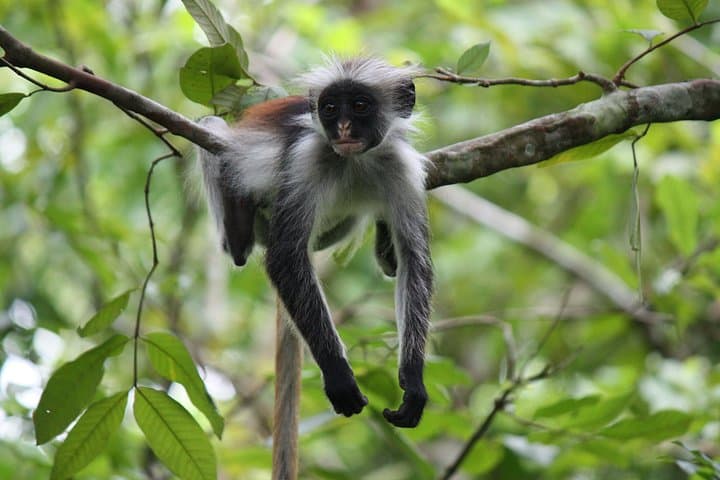
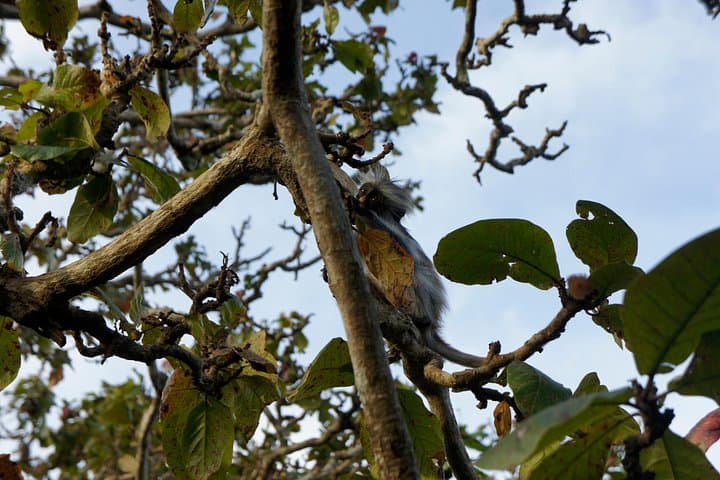
You step out of the van and the air changes—warm, damp, scented with earth and eucalyptus. A ranger points up into a mottled canopy where a flash of rust-red replies: the Zanzibar red colobus is watching. The forest floor is a soft mix of leaf litter and coral rag, and boardwalk planks creak as you move toward the mangroves where roots thread the tidal creek.
You step out of the van and the air changes—warm, damp, scented with earth and eucalyptus. A ranger points up into a mottled canopy where a flash of rust-red replies: the Zanzibar red colobus is watching. The forest floor is a soft mix of leaf litter and coral rag, and boardwalk planks creak as you move toward the mangroves where roots thread the tidal creek.
Jozani-Chwaka Bay is the island’s largest remaining forest and a conservation success: the red colobus population recovered from near-extinction to roughly 6,000 animals through local protection and research. Geologically the park sits on uplifted coral limestone that fractures into pockets holding freshwater and swamp; culturally the forest has long supported nearby villages with medicinal plants and honey.
The experience is compact and tactile—about a 2–3 km loop through shaded trails with minimal elevation gain and a 500–800 m wooden boardwalk through mangroves. Expect eucalyptus and mahogany silhouettes, quick birdsong, and small crabs on muddy roots. Rangers lead the group, help spot primates and explain mangrove ecology, including how these trees slow coastal erosion.
Practical guide: plan mornings for cooler light and more active monkey behavior; bring insect repellent, a refillable water bottle, and a light rain layer in the wet months. Stick to paths, keep cameras quiet, and resist feeding wildlife. The site is accessible from Stone Town with roughly a 45-minute drive; tours run 3–4 hours including transfer. This is an easy, high-reward nature stop that rewards patience and a respectful pace.