THE ADVENTURE COLLECTIVE® · Independent discovery and booking for outdoor travel

Walk old-growth trails in Jozani Chwaka Bay, where Zanzibar red colobus monkeys move within arm’s reach and a mangrove boardwalk reveals coastal life. This 3–4 hour private tour blends wildlife viewing, local culture, and practical ecology insights.
Walk old-growth trails in Jozani Chwaka Bay, where Zanzibar red colobus monkeys move within arm’s reach and a mangrove boardwalk reveals coastal life. This 3–4 hour private tour blends wildlife viewing, local culture, and practical ecology insights.
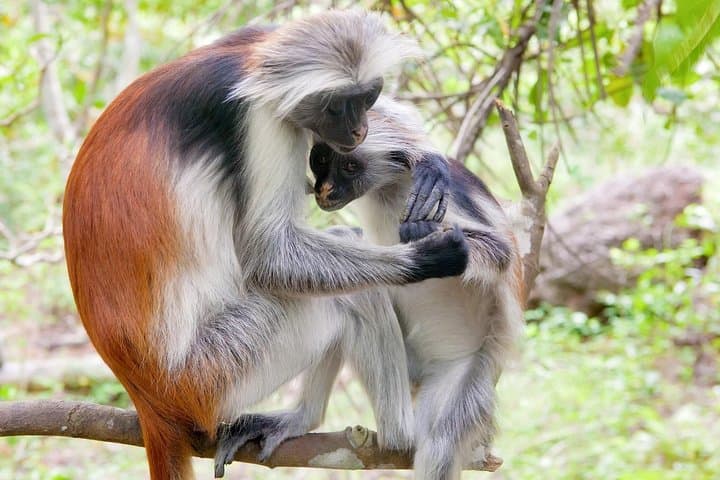
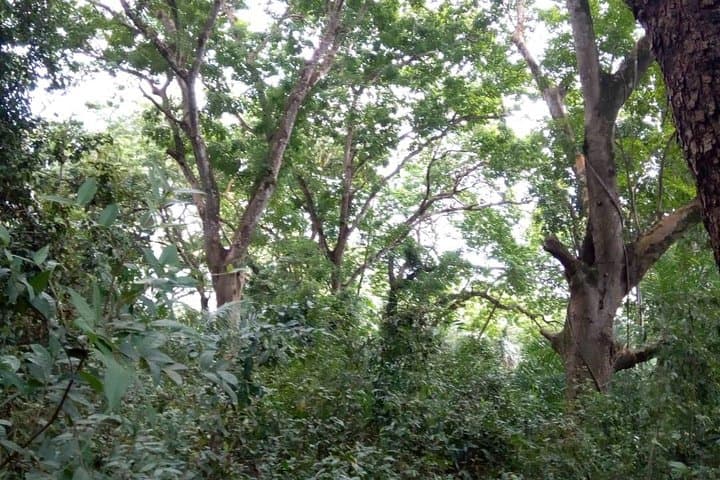
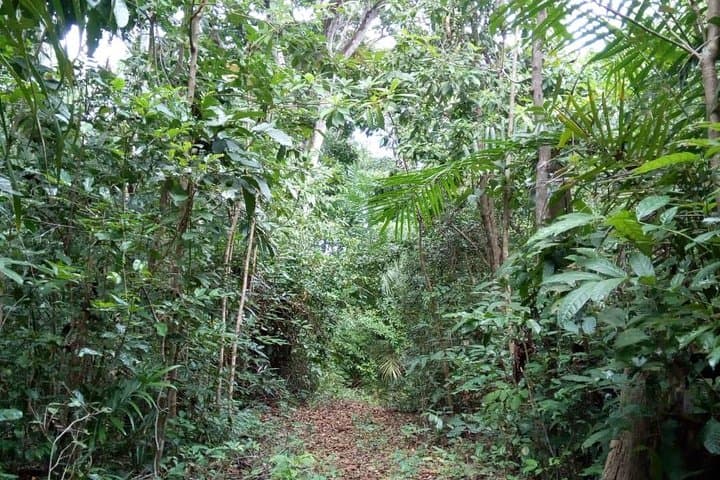
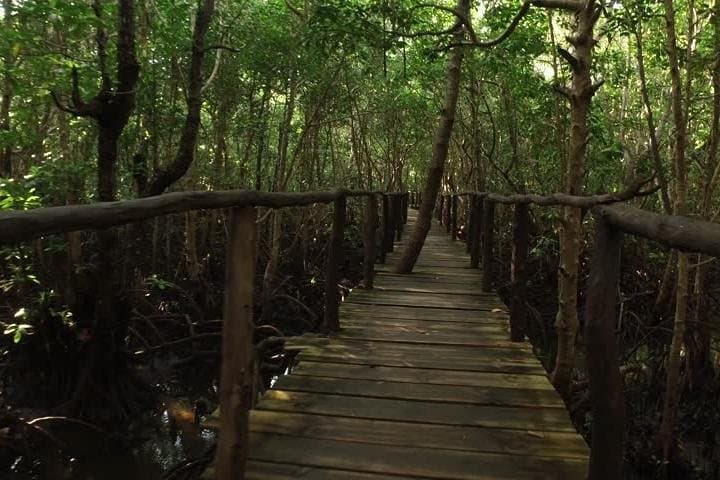
You step out of the air-conditioned vehicle and into a humid hush—leaves whisper, and the forest floor smells of damp mahogany. The red colobus monkeys appear without drama, moving like quick thoughts through mid-canopy; the mangrove boardwalk ahead promises a different rhythm, where roots twist like the ribs of the shoreline and crabs dart beneath the water.
Verified experiences and guided adventures in the surrounding area.
Operated by HALISI AFRICA TOURS · Jozani, Zanzibar
You step out of the air-conditioned vehicle and into a humid hush—leaves whisper, and the forest floor smells of damp mahogany. The red colobus monkeys appear without drama, moving like quick thoughts through mid-canopy; the mangrove boardwalk ahead promises a different rhythm, where roots twist like the ribs of the shoreline and crabs dart beneath the water.
Jozani Chwaka Bay National Park is Zanzibar’s primary remaining patch of native forest, shaped by coralline limestone and coastal sediments that meet Indian Ocean tides. Culturally, the reserve is woven into local livelihoods: community guides, traditional fishermen nearby, and conservation programs that grew after habitat loss and land-use change in the 20th century.
On this 3–4 hour private tour expect easy trails under tall mahogany and eucalyptus, close photographic opportunities with red colobus groups, and an interpretive walk across the raised timber mangrove platform where mudskippers and small marine life are visible at low tide. Guides point out Zanzibar red colobus behavior, the elusive Suni duiker, chameleons, and the Fischer’s turaco.
Practical notes: bring insect repellent and a lightweight rain layer—tropical downpours are sudden. Wear grippy shoes for uneven roots and muddy stretches; binoculars improve wildlife viewing. Mid-morning timing balances cooler air and higher wildlife activity. Respect local rules: no feeding monkeys, keep distance, and avoid plastic waste. Return transfers are usually included; allow time afterward to visit nearby villages or relax on eastern beaches.
moderate.
3–4 hours.
Moderate fitness for walking on uneven paths and short boardwalk inclines; not strenuous but steady on feet.
The tour is typically 3–4 hours and includes a guided walk through Jozani forest, time with red colobus viewing, the mangrove boardwalk, bottled water and hotel transfers as noted.
Sightings are common but not guaranteed; guides know active areas and seasons when troops are most visible—early to mid-morning is often best.
Yes—paths are generally gentle, but there are uneven sections and some steps on the boardwalk; children and older visitors should be supervised and wear appropriate footwear.
Basic restroom facilities and a small visitor center are available; bring snacks if you need more substantial food after the walk.
Jozani's protection grew in response to coastal deforestation in the 20th century; the park now combines government and community conservation efforts to preserve endemic species.
Local initiatives fund habitat restoration and community benefits; visitors can support conservation by following park rules, avoiding single-use plastics, and booking reputable guided tours.
HALISI AFRICA TOURS operates guided outdoor trips and adventures with an emphasis on safety, stewardship, and memorable experiences.
You step out of the air-conditioned vehicle and into a humid hush—leaves whisper, and the forest floor smells of damp mahogany. The red colobus monkeys appear without drama, moving like quick thoughts through mid-canopy; the mangrove boardwalk ahead promises a different rhythm, where roots twist like the ribs of the shoreline and crabs dart beneath the water.
You step out of the air-conditioned vehicle and into a humid hush—leaves whisper, and the forest floor smells of damp mahogany. The red colobus monkeys appear without drama, moving like quick thoughts through mid-canopy; the mangrove boardwalk ahead promises a different rhythm, where roots twist like the ribs of the shoreline and crabs dart beneath the water.
Jozani Chwaka Bay National Park is Zanzibar’s primary remaining patch of native forest, shaped by coralline limestone and coastal sediments that meet Indian Ocean tides. Culturally, the reserve is woven into local livelihoods: community guides, traditional fishermen nearby, and conservation programs that grew after habitat loss and land-use change in the 20th century.
On this 3–4 hour private tour expect easy trails under tall mahogany and eucalyptus, close photographic opportunities with red colobus groups, and an interpretive walk across the raised timber mangrove platform where mudskippers and small marine life are visible at low tide. Guides point out Zanzibar red colobus behavior, the elusive Suni duiker, chameleons, and the Fischer’s turaco.
Practical notes: bring insect repellent and a lightweight rain layer—tropical downpours are sudden. Wear grippy shoes for uneven roots and muddy stretches; binoculars improve wildlife viewing. Mid-morning timing balances cooler air and higher wildlife activity. Respect local rules: no feeding monkeys, keep distance, and avoid plastic waste. Return transfers are usually included; allow time afterward to visit nearby villages or relax on eastern beaches.