THE ADVENTURE COLLECTIVE® · Independent discovery and booking for outdoor travel

Walk shaded trails where the endemic Zanzibar red colobus lounges in the canopy and a mangrove boardwalk reveals coastal life. This guided half-day tour of Jozani Forest mixes wildlife viewing, local ecology, and practical conservation insight—ideal for travelers based in Stone Town.
Walk shaded trails where the endemic Zanzibar red colobus lounges in the canopy and a mangrove boardwalk reveals coastal life. This guided half-day tour of Jozani Forest mixes wildlife viewing, local ecology, and practical conservation insight—ideal for travelers based in Stone Town.
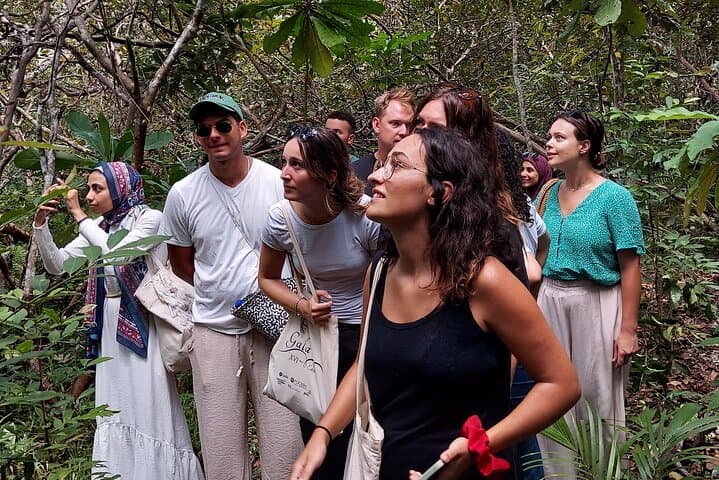
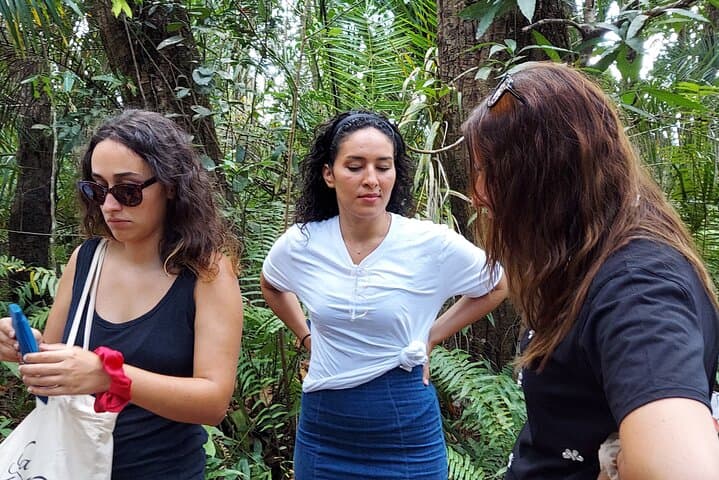
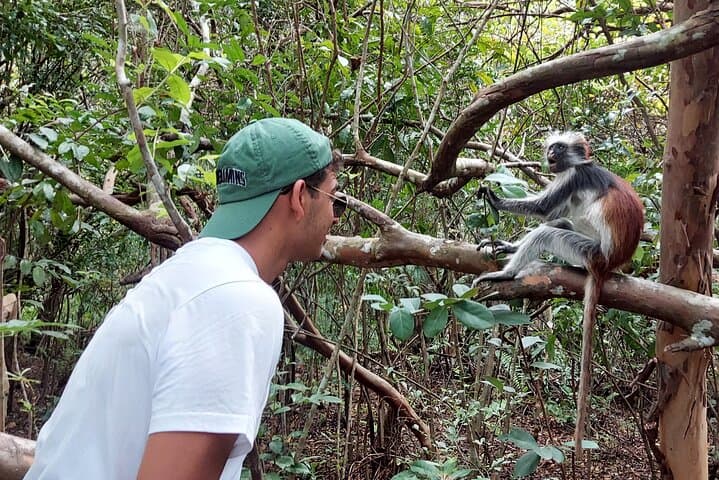
A narrow track opens beneath a humid canopy and the air shifts—salt from nearby Chwaka Bay mingles with the loamy scent of fallen leaves. On the Jozani Forest Tour, guides thread visitors through dappled trails where shafts of light pick out rust-red fur and the forest seems to watch back.
Verified experiences and guided adventures in the surrounding area.
Operated by Zanzibar Eco-Friendly Tours · Jozani, Zanzibar
A narrow track opens beneath a humid canopy and the air shifts—salt from nearby Chwaka Bay mingles with the loamy scent of fallen leaves. On the Jozani Forest Tour, guides thread visitors through dappled trails where shafts of light pick out rust-red fur and the forest seems to watch back.
Jozani Chwaka Bay is Zanzibar’s only national park, officially protected in the early 2000s to conserve its unique lowland forest and mangrove systems. Geologically the island is coral and limestone overlaid with volcanic soils, which feed the dense vegetation and support species found nowhere else on the archipelago. The forest has cultural ties to local villages; guides often point out plants used in traditional medicine and explain community-led conservation efforts.
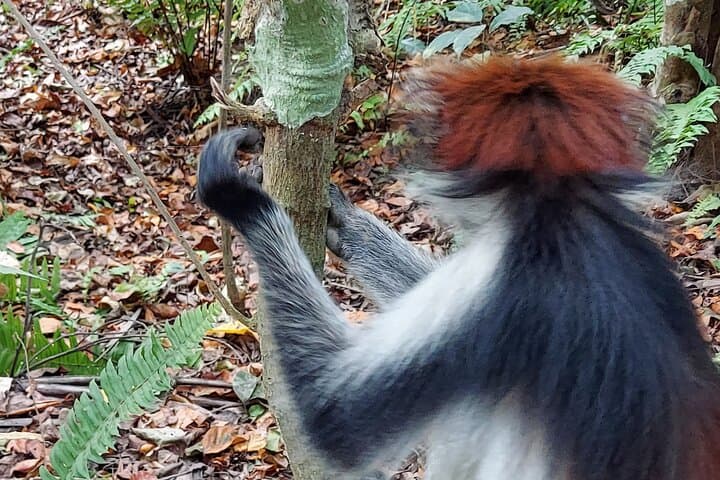
Expect close-up views of the Zanzibar red colobus—an endemic primate that moves in small, vocal troops—and a variety of forest birds. A raised boardwalk through mangroves reveals fiddler crabs and salt-tolerant roots that trap sediment and protect the shoreline. The rhythm of the walk is steady: easy inclines, shaded paths, occasional muddy patches.
Practical guidance: wear sturdy shoes with good traction, bring insect repellent and a water bottle (both often provided), and plan for mid-morning or late-afternoon visits to avoid the heat and see the animals at their most active. Photography with a moderate zoom is ideal; maintain respectful distance from wildlife. The tour combines natural history, straightforward walking, and a clear conservation message—accessible for most travelers with moderate fitness and a curiosity for island ecosystems.
moderate.
5 hours.
Moderate fitness recommended—walks are mostly flat but include uneven ground and short, muddy sections.
This Jozani tour runs about five hours door-to-door, typically including private transport, the park visit, and time on the boardwalks.
Sightings are common because colobus inhabit core forest areas, but wildlife is never guaranteed—activity varies with time of day and season.
Yes—families and older travelers with moderate mobility can usually participate, though those with serious spinal or heart conditions should avoid strenuous walking.
Most bookings include park admission, private transport, bottled water, snacks, and a local guide—confirm inclusions when you book.
Jozani Chwaka Bay was designated a protected area in the 1990s and upgraded to national park status in the early 2000s to safeguard endemic species and mangrove habitats.
Local communities and park authorities collaborate on eco-tourism and mangrove restoration; visitors are asked to follow paths and avoid feeding wildlife to reduce human impact.
Zanzibar Eco-Friendly Tours operates guided outdoor trips and adventures with an emphasis on safety, stewardship, and memorable experiences.
A narrow track opens beneath a humid canopy and the air shifts—salt from nearby Chwaka Bay mingles with the loamy scent of fallen leaves. On the Jozani Forest Tour, guides thread visitors through dappled trails where shafts of light pick out rust-red fur and the forest seems to watch back.
A narrow track opens beneath a humid canopy and the air shifts—salt from nearby Chwaka Bay mingles with the loamy scent of fallen leaves. On the Jozani Forest Tour, guides thread visitors through dappled trails where shafts of light pick out rust-red fur and the forest seems to watch back.
Jozani Chwaka Bay is Zanzibar’s only national park, officially protected in the early 2000s to conserve its unique lowland forest and mangrove systems. Geologically the island is coral and limestone overlaid with volcanic soils, which feed the dense vegetation and support species found nowhere else on the archipelago. The forest has cultural ties to local villages; guides often point out plants used in traditional medicine and explain community-led conservation efforts.
Expect close-up views of the Zanzibar red colobus—an endemic primate that moves in small, vocal troops—and a variety of forest birds. A raised boardwalk through mangroves reveals fiddler crabs and salt-tolerant roots that trap sediment and protect the shoreline. The rhythm of the walk is steady: easy inclines, shaded paths, occasional muddy patches.
Practical guidance: wear sturdy shoes with good traction, bring insect repellent and a water bottle (both often provided), and plan for mid-morning or late-afternoon visits to avoid the heat and see the animals at their most active. Photography with a moderate zoom is ideal; maintain respectful distance from wildlife. The tour combines natural history, straightforward walking, and a clear conservation message—accessible for most travelers with moderate fitness and a curiosity for island ecosystems.