THE ADVENTURE COLLECTIVE® · Independent discovery and booking for outdoor travel

Walk under a humid canopy to find the rare Zanzibar red colobus and a mangrove boardwalk that reveals tidal life. This three-hour guided tour blends wildlife viewing, local plant lore, and conservation context—ideal for a morning or afternoon outing from Stone Town.
Walk under a humid canopy to find the rare Zanzibar red colobus and a mangrove boardwalk that reveals tidal life. This three-hour guided tour blends wildlife viewing, local plant lore, and conservation context—ideal for a morning or afternoon outing from Stone Town.
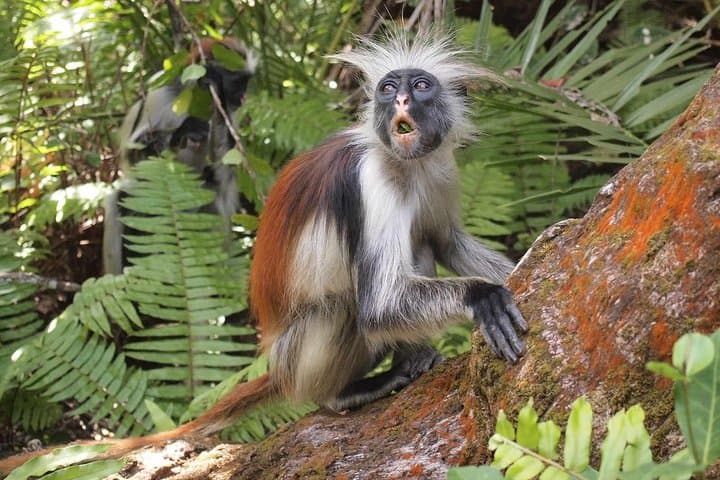
You step beneath a high, humid canopy and the island changes its voice: leaves whisper, a distant call answers — the Zanzibar red colobus announcing itself from a mahogany limb.
Verified experiences and guided adventures in the surrounding area.
Operated by ARP Travel Group · Jozani, Zanzibar
You step beneath a high, humid canopy and the island changes its voice: leaves whisper, a distant call answers — the Zanzibar red colobus announcing itself from a mahogany limb.
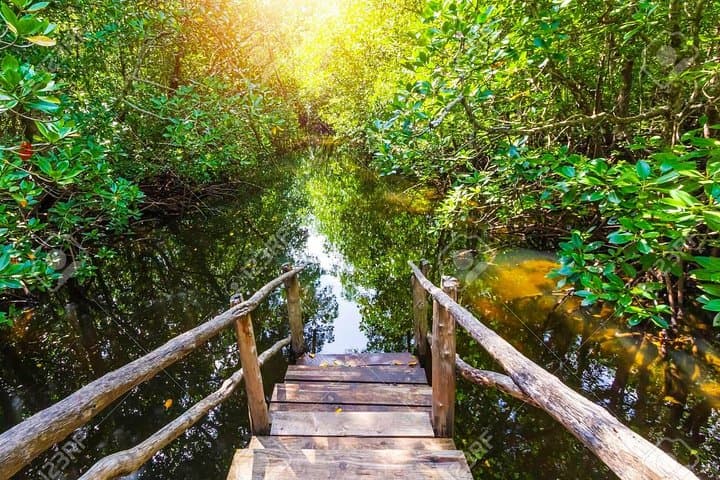
This half-day guided walk moves from open grass to a layered forest of eucalyptus, mahogany and native species, then onto the raised boardwalk that threads over the mangrove swamp. Geologically the area is a low-lying coastal plain carved by tidal action; ecologically it’s a meeting place between tropical rainforest and Indian Ocean wetlands.
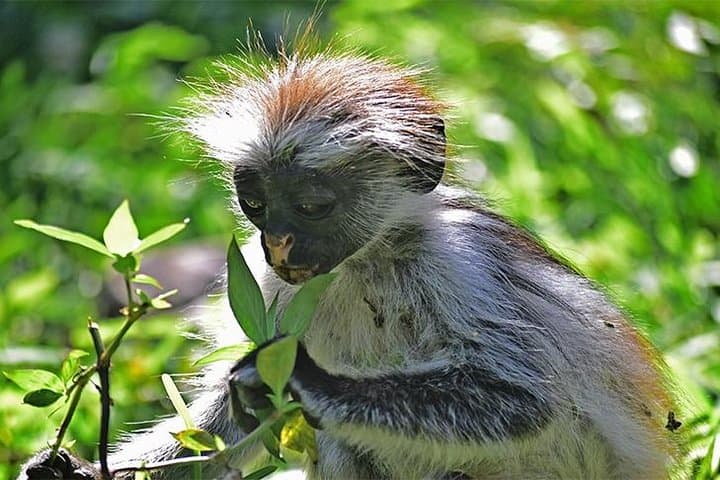
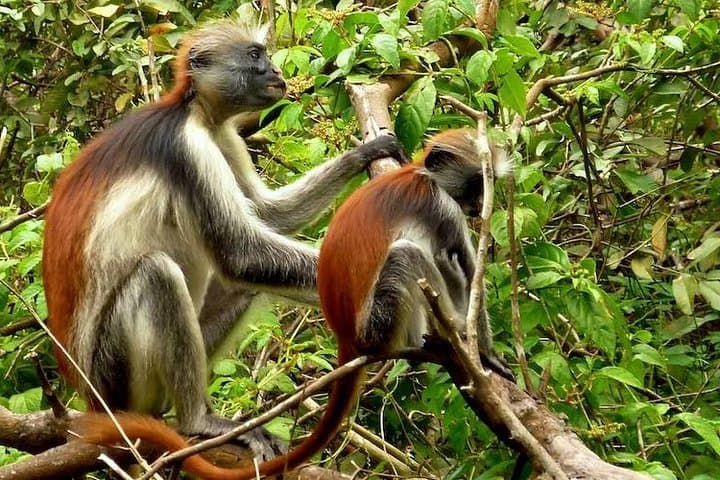
Jozani’s most famous resident is the Zanzibar red colobus, an endemic subspecies isolated for millennia and adapted to local foods and calls. Local guides also point out medicinal plants used by island communities and explain how mangroves buffer Chwaka Bay against erosion and provide nursery habitat for marine life.
Practically: tours run about three hours and cover uneven dirt paths and short boardwalks at sea level. Walks are best early morning or late afternoon when wildlife is most active and heat is lower. Wear closed-toe shoes, bring water and insect repellent, and be prepared for sticky humidity. Rangers often lead the route, sharing conservation context and cultural history; sightings are frequent but never guaranteed — these are wild animals.
Respect the animals: keep distance, avoid feeding, and follow ranger instructions. Small-group, guided format makes this an accessible, educational encounter with Zanzibar’s unique ecology — a concentrated, interpretive rainforest visit that fits cleanly into a day exploring the island.
moderate.
3 hours.
Moderate fitness: able to walk uneven trails for up to three hours at low elevation.
Sightings are common but not guaranteed; guides know the animals’ habits and increase the likelihood, especially in early morning or late afternoon.
The route is family-friendly but involves uneven ground—children and older adults should have moderate mobility and supervise closely near boardwalks.
Yes—this private tour includes hotel pickup/drop-off and a professional park ranger or guide as listed in the inclusions.
The tour runs about three hours, covering forest trails, a mangrove boardwalk, and interpretive stops focused on wildlife, plants and conservation.
Jozani’s forests and mangroves have long supported local fishing and herbal traditions; the red colobus evolved in isolation on Unguja for thousands of years.
The reserve is managed to protect endemic species and mangrove ecosystems; visitors are asked to minimize disturbance, carry out waste, and avoid feeding wildlife.
ARP Travel Group operates guided outdoor trips and adventures with an emphasis on safety, stewardship, and memorable experiences.
You step beneath a high, humid canopy and the island changes its voice: leaves whisper, a distant call answers — the Zanzibar red colobus announcing itself from a mahogany limb.
You step beneath a high, humid canopy and the island changes its voice: leaves whisper, a distant call answers — the Zanzibar red colobus announcing itself from a mahogany limb.
This half-day guided walk moves from open grass to a layered forest of eucalyptus, mahogany and native species, then onto the raised boardwalk that threads over the mangrove swamp. Geologically the area is a low-lying coastal plain carved by tidal action; ecologically it’s a meeting place between tropical rainforest and Indian Ocean wetlands.
Jozani’s most famous resident is the Zanzibar red colobus, an endemic subspecies isolated for millennia and adapted to local foods and calls. Local guides also point out medicinal plants used by island communities and explain how mangroves buffer Chwaka Bay against erosion and provide nursery habitat for marine life.
Practically: tours run about three hours and cover uneven dirt paths and short boardwalks at sea level. Walks are best early morning or late afternoon when wildlife is most active and heat is lower. Wear closed-toe shoes, bring water and insect repellent, and be prepared for sticky humidity. Rangers often lead the route, sharing conservation context and cultural history; sightings are frequent but never guaranteed — these are wild animals.
Respect the animals: keep distance, avoid feeding, and follow ranger instructions. Small-group, guided format makes this an accessible, educational encounter with Zanzibar’s unique ecology — a concentrated, interpretive rainforest visit that fits cleanly into a day exploring the island.