THE ADVENTURE COLLECTIVE® · Independent discovery and booking for outdoor travel

Walk beneath towering trees, meet the endemic Zanzibar Red Colobus monkeys and cross a mangrove boardwalk on this concise, guided half-day through Jozani Chwaka Bay National Park. Perfect for wildlife lovers and those short on time.
Walk beneath towering trees, meet the endemic Zanzibar Red Colobus monkeys and cross a mangrove boardwalk on this concise, guided half-day through Jozani Chwaka Bay National Park. Perfect for wildlife lovers and those short on time.
Stepping from the sunlit road into Jozani, the air shifts—heavy, green, and alive. The path narrows under a canopy that seems to lean in and listen; leaves whisper and the forest floor gives a soft, loamy response. Within minutes a troop of Zanzibar Red Colobus monkeys breaks cover, bodies moving like punctuation through branches, curious and unhurried.
Verified experiences and guided adventures in the surrounding area.
Operated by Riser tours and safaris Zanzibar · Jozani, Zanzibar
Stepping from the sunlit road into Jozani, the air shifts—heavy, green, and alive. The path narrows under a canopy that seems to lean in and listen; leaves whisper and the forest floor gives a soft, loamy response. Within minutes a troop of Zanzibar Red Colobus monkeys breaks cover, bodies moving like punctuation through branches, curious and unhurried.
Jozani Chwaka Bay National Park sits near the island’s central lowlands, where Pleistocene limestone underlies red clay soils and a network of tidal mangroves. Historically this patch of forest was part of a larger coastal ecosystem used by coastal Swahili communities for timber and traditional medicines; today it’s protected to preserve unique flora and fauna.
Guides here point out medicinal species, tell local stories, and translate bird calls into clues—showing how culture and ecology overlap around the forest edge. Geologically, the park’s mangrove boardwalk traces saline channels where roots anchor the shoreline and filter silt, a living buffer against erosion.
Practical guidance: the standard half-day tour runs about three hours, often starting in the morning when animals are most active. Wear sturdy walking shoes—mud and exposed roots are common—and long sleeves to deter mosquitoes. Bring water, sun protection for the boardwalk sections, and insect repellent; the guide handles entrance logistics and points out wildlife but doesn’t carry heavy kit for you. Expect easy terrain with some uneven trails and interpretive stops.
For photographers and curious travelers alike, Jozani delivers intimate wildlife encounters without long hikes—nature that invites approach but sets its own pace.
easy.
3 hours.
Suitable for people in regular, general fitness—short walks with occasional uneven footing.
The half-day Jozani tour lasts about three hours, including boardwalk and guided forest walk.
Yes—this activity is family-friendly and suitable for children, though supervision is recommended near wildlife and boardwalk edges.
Yes, the listed trip includes the park entrance fee as part of inclusions.
Sightings are common but not guaranteed; guides know habitual troop areas and timing increases chances, especially in the morning.
Jozani was historically used by local communities for resources and became a protected area to conserve endemic species unique to Unguja island.
Park fees and guided visits support habitat protection and community conservation programs; visitors can reduce impact by staying on trails and avoiding feeding wildlife.
Riser tours and safaris Zanzibar operates guided outdoor trips and adventures with an emphasis on safety, stewardship, and memorable experiences.
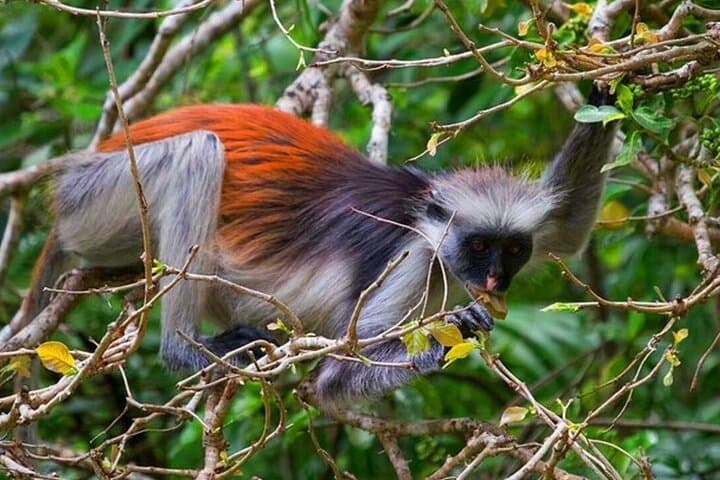
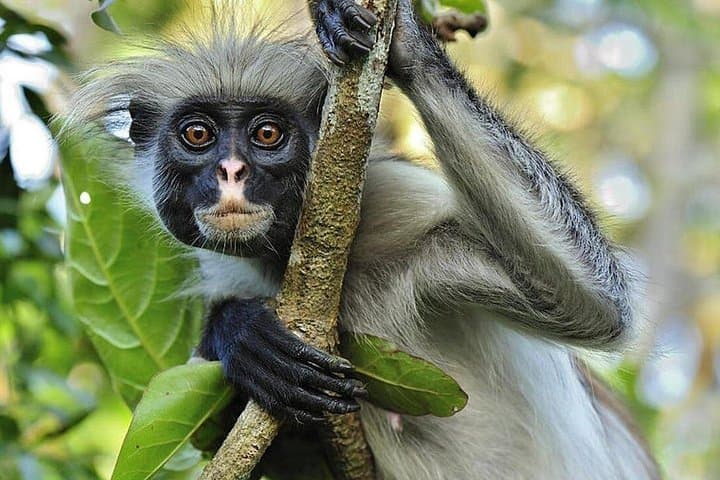
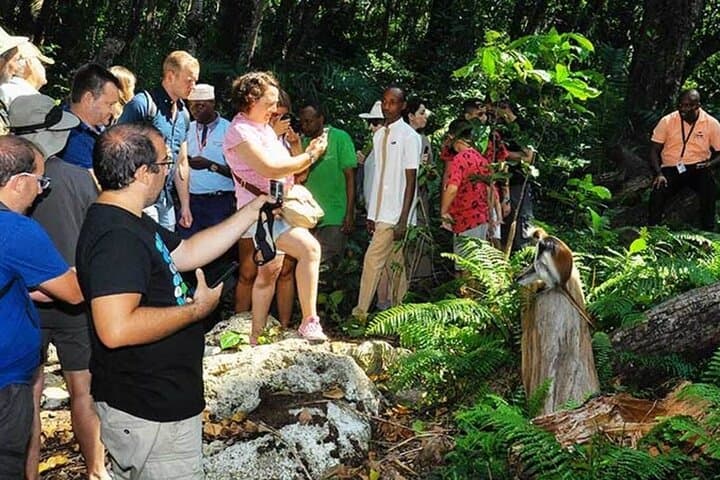
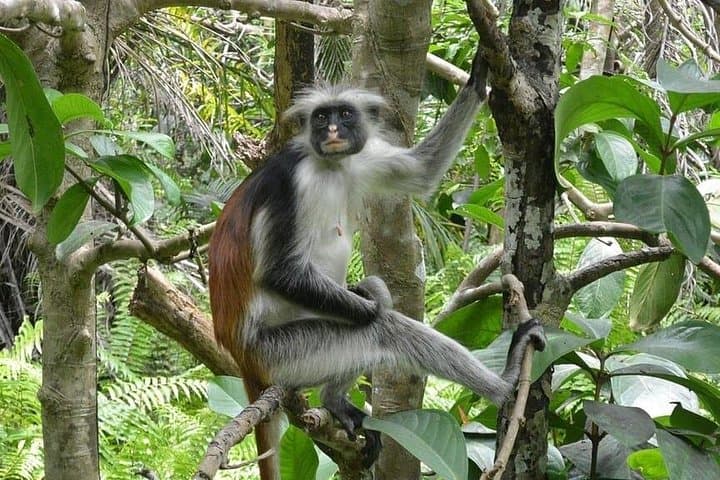
Stepping from the sunlit road into Jozani, the air shifts—heavy, green, and alive. The path narrows under a canopy that seems to lean in and listen; leaves whisper and the forest floor gives a soft, loamy response. Within minutes a troop of Zanzibar Red Colobus monkeys breaks cover, bodies moving like punctuation through branches, curious and unhurried.
Stepping from the sunlit road into Jozani, the air shifts—heavy, green, and alive. The path narrows under a canopy that seems to lean in and listen; leaves whisper and the forest floor gives a soft, loamy response. Within minutes a troop of Zanzibar Red Colobus monkeys breaks cover, bodies moving like punctuation through branches, curious and unhurried.
Jozani Chwaka Bay National Park sits near the island’s central lowlands, where Pleistocene limestone underlies red clay soils and a network of tidal mangroves. Historically this patch of forest was part of a larger coastal ecosystem used by coastal Swahili communities for timber and traditional medicines; today it’s protected to preserve unique flora and fauna.
Guides here point out medicinal species, tell local stories, and translate bird calls into clues—showing how culture and ecology overlap around the forest edge. Geologically, the park’s mangrove boardwalk traces saline channels where roots anchor the shoreline and filter silt, a living buffer against erosion.
Practical guidance: the standard half-day tour runs about three hours, often starting in the morning when animals are most active. Wear sturdy walking shoes—mud and exposed roots are common—and long sleeves to deter mosquitoes. Bring water, sun protection for the boardwalk sections, and insect repellent; the guide handles entrance logistics and points out wildlife but doesn’t carry heavy kit for you. Expect easy terrain with some uneven trails and interpretive stops.
For photographers and curious travelers alike, Jozani delivers intimate wildlife encounters without long hikes—nature that invites approach but sets its own pace.