THE ADVENTURE COLLECTIVE® · Independent discovery and booking for outdoor travel

Combine a morning among mangroves and endemic red colobus monkeys with an afternoon wandering Stone Town’s UNESCO streets. This full-day tour pairs ecological discovery at Jozani with the layered history and architecture of Zanzibar’s cultural heart.
Combine a morning among mangroves and endemic red colobus monkeys with an afternoon wandering Stone Town’s UNESCO streets. This full-day tour pairs ecological discovery at Jozani with the layered history and architecture of Zanzibar’s cultural heart.
You step out of an air-conditioned minivan into warm, saline air as the driver eases onto the island lanes. Within an hour you’re under a mangrove canopy: boardwalk planks hum underfoot, leaves drip with salt spray, and the island’s famous red colobus monkeys move through the high branches like restless locals. The forest feels alive—currents from the nearby bay shaping roots and soil while birds call from the tangles.
Verified experiences and guided adventures in the surrounding area.
Operated by Noun Travel · Stone Town, Zanzibar
You step out of an air-conditioned minivan into warm, saline air as the driver eases onto the island lanes. Within an hour you’re under a mangrove canopy: boardwalk planks hum underfoot, leaves drip with salt spray, and the island’s famous red colobus monkeys move through the high branches like restless locals. The forest feels alive—currents from the nearby bay shaping roots and soil while birds call from the tangles.
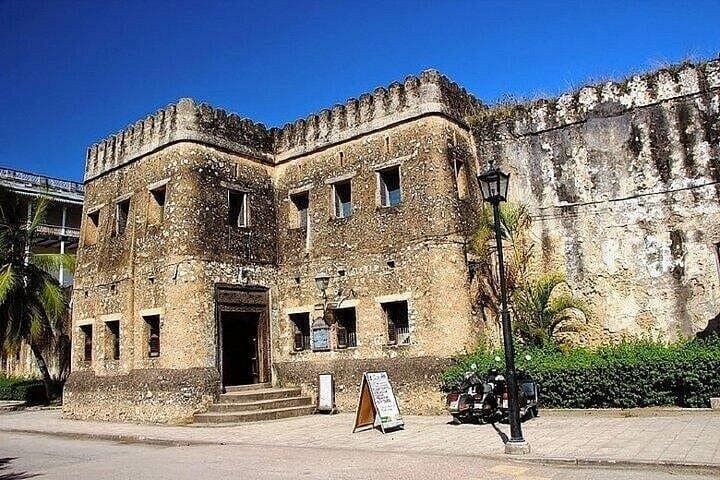
Geology and history sit close here: Jozani Chwaka Bay’s soils are coastal alluvium and mangrove peat that cradle unique flora and the endemic Zanzibar red colobus. Later in Stone Town, coral rag limestone buildings wear centuries of trade—Omani, Persian, Indian and European influences—visible in carved doors, the House of Wonders, and the Old Fort. Stone Town’s narrow streets once hosted a bustling Indian ocean trade network and the painful legacy of the 19th-century slave markets; guides usually point out these sites with sober context.
Practically, expect about 8 hours door-to-door: easy walking on wooden boardwalks and uneven cobbles in town. Bring cash for small entrance fees, tips and market purchases; wear sturdy shoes and sun protection—humidity and sudden showers are common. Photography windows open in the morning at Jozani and late afternoon in Stone Town when light softens alleys. Guides here are local and often bilingual, offering a mix of natural history and cultural stories.
This day tour compresses wild shoreline ecology and layered cultural history into a single, accessible package—ideal for travelers who want both a wildlife encounter and a human story without extensive trekking.
easy.
8 hours.
Suitable for most fitness levels; requires short, easy walks on boardwalks and uneven cobbles
Confirm at booking—many operators include hotel pickup and guided visits, but some may require park or museum entrance fees to be paid locally in cash.
Yes—the itinerary is rated easy with short walks, but parents should supervise wildlife encounters and be prepared for uneven surfaces in Stone Town.
Expect several short walks totaling a few kilometers: boardwalk routes in Jozani and wandering through Stone Town’s alleys; pace is relaxed with frequent stops.
Local guides typically speak English and Kiswahili; many also speak basic Italian, French or German depending on the operator—ask when booking if you need a specific language.
Stone Town is a UNESCO World Heritage site shaped by centuries of Indian Ocean trade—its architecture reflects Omani Arab, Persian, Indian and European influences and the legacy of the 19th-century slave trade.
Jozani’s protection of mangroves and the red colobus depends on park fees and responsible tourism; stick to trails, avoid feeding wildlife, and support local guides to minimize impact.
Noun Travel operates guided outdoor trips and adventures with an emphasis on safety, stewardship, and memorable experiences.
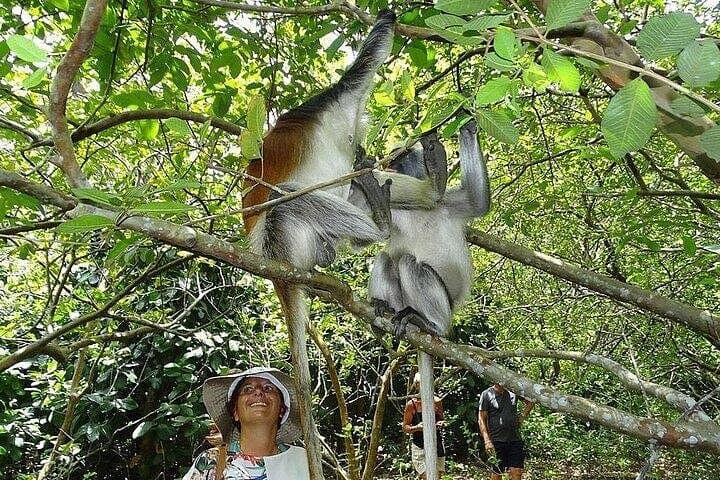


You step out of an air-conditioned minivan into warm, saline air as the driver eases onto the island lanes. Within an hour you’re under a mangrove canopy: boardwalk planks hum underfoot, leaves drip with salt spray, and the island’s famous red colobus monkeys move through the high branches like restless locals. The forest feels alive—currents from the nearby bay shaping roots and soil while birds call from the tangles.
You step out of an air-conditioned minivan into warm, saline air as the driver eases onto the island lanes. Within an hour you’re under a mangrove canopy: boardwalk planks hum underfoot, leaves drip with salt spray, and the island’s famous red colobus monkeys move through the high branches like restless locals. The forest feels alive—currents from the nearby bay shaping roots and soil while birds call from the tangles.
Geology and history sit close here: Jozani Chwaka Bay’s soils are coastal alluvium and mangrove peat that cradle unique flora and the endemic Zanzibar red colobus. Later in Stone Town, coral rag limestone buildings wear centuries of trade—Omani, Persian, Indian and European influences—visible in carved doors, the House of Wonders, and the Old Fort. Stone Town’s narrow streets once hosted a bustling Indian ocean trade network and the painful legacy of the 19th-century slave markets; guides usually point out these sites with sober context.
Practically, expect about 8 hours door-to-door: easy walking on wooden boardwalks and uneven cobbles in town. Bring cash for small entrance fees, tips and market purchases; wear sturdy shoes and sun protection—humidity and sudden showers are common. Photography windows open in the morning at Jozani and late afternoon in Stone Town when light softens alleys. Guides here are local and often bilingual, offering a mix of natural history and cultural stories.
This day tour compresses wild shoreline ecology and layered cultural history into a single, accessible package—ideal for travelers who want both a wildlife encounter and a human story without extensive trekking.