THE ADVENTURE COLLECTIVE® · Independent discovery and booking for outdoor travel

Trace a day from buried Maya homes to cloud-forest viewpoints: explore Joya de Cerén’s preserved village, then breathe the cool heights of Cerro Verde with sweeping volcano views. This combo tour packs geology, history, and short walks into a single, accessible day trip from San Salvador.
Trace a day from buried Maya homes to cloud-forest viewpoints: explore Joya de Cerén’s preserved village, then breathe the cool heights of Cerro Verde with sweeping volcano views. This combo tour packs geology, history, and short walks into a single, accessible day trip from San Salvador.
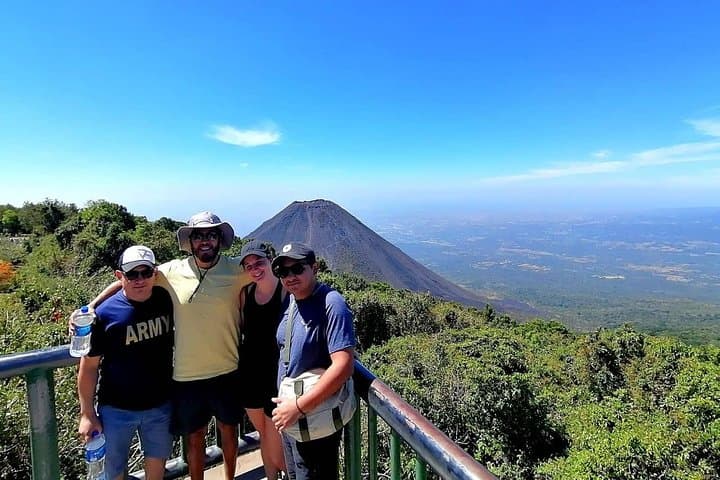
A morning mist clings to the high ridge as the van snakes up toward Cerro Verde, leaving the heat of the lowlands behind. From the park’s lookout, three volcanoes stand like geological actors — Santa Ana’s cone cutting the sky, Izalco a darker silhouette, and the green flank of Cerro Verde itself pushing the cloud layer aside. Later, after the ridge exhales its cool air, the group descends to a very different preserve: Joya de Cerén, where roofs, hearths, and maize stores survive under a blanket of volcanic ash and tell a quiet, domestic story of a pre-Hispanic Maya village.
Verified experiences and guided adventures in the surrounding area.
Operated by El Salvador Positive Tours · San Salvador, San Salvador
A morning mist clings to the high ridge as the van snakes up toward Cerro Verde, leaving the heat of the lowlands behind. From the park’s lookout, three volcanoes stand like geological actors — Santa Ana’s cone cutting the sky, Izalco a darker silhouette, and the green flank of Cerro Verde itself pushing the cloud layer aside. Later, after the ridge exhales its cool air, the group descends to a very different preserve: Joya de Cerén, where roofs, hearths, and maize stores survive under a blanket of volcanic ash and tell a quiet, domestic story of a pre-Hispanic Maya village.
The day pairs two complementary realities: living nature and frozen daily life. Joya de Cerén is often called the “Pompeii of the Americas” for good reason — a sudden eruption in the 6th–7th century AD preserved a farming community in situ, giving archaeologists an unusually intimate look at Maya household layouts, tools, and food storage. Cerro Verde, part of the greater volcanic complex near Santa Ana, offers a geological counterpoint: the result of millennia of eruptions, uplift, and erosion that created dramatic craters, fertile soils, and pockets of cloud forest. Together they map human resilience and volcanic power across time.
Culturally, the route crosses El Salvador’s agricultural heartland. Guides on the tour point out coffee fincas clinging to slopes and small towns where local markets still trade in chapulines and tortillas. Birdlife is active in the cooler air: motmots and tanagers flash between branches; vultures thermally ride the slopes. The park’s elevation — roughly 1,800–2,100 meters at viewpoints — makes for brisk breezes and clearer light, ideal for photography and short, restorative walks.
Practically, the itinerary is designed for a full day (expect 7–8 hours door-to-door). Walking at Joya de Cerén is flat and interpretive; Cerro Verde includes gentle trails and viewpoint strolls rather than technical climbs. Bring layered clothing for mountain chill, sunscreen for exposed viewpoints, and a refillable water bottle: hydration matters even in cool air. Respect archaeological rules at Joya de Cerén — stay behind barriers and follow the guide to avoid damaging fragile features.
Logistics: most operators provide hotel pickup across San Salvador and coastal towns like El Tunco, and the tour runs in small groups with an English-speaking guide. The combination is satisfying for travelers who want both culture and landscape in a single, well-paced day: a morning among buried homes and an afternoon with volcanoes daring you to look farther than you thought possible.
moderate.
7–8 hours.
Suitable for travelers in average physical condition — short, non-technical walks and standing at exhibits; some mild uphill walking in the park.
Yes — the tour includes admission to both sites and a licensed local guide for interpretive visits.
Pickup and transfer usually take 45–90 minutes depending on your hotel location and traffic; the full tour lasts about 7–8 hours.
No — walks are short and mostly gentle; Cerro Verde has some uphill viewpoints but nothing technical.
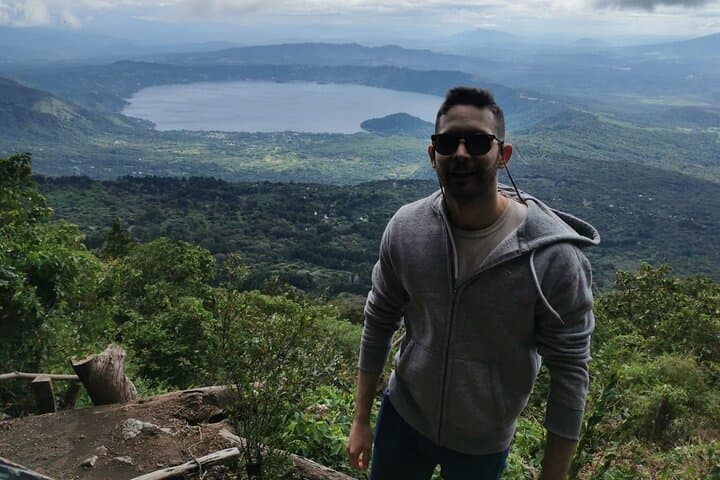
The itinerary references Coatepeque crater lake where swimming and water activities are possible, but availability depends on time and operator arrangements — check ahead if you want to swim.
Yes — operators note the tour is suitable for all fitness levels, though it’s not recommended for travelers with serious spinal or cardiovascular issues; infant seats can be arranged.
Most tours offer English-speaking guides and staff who can provide Spanish commentary; confirm language needs when booking.
Joya de Cerén preserves a 6th–7th-century Maya farming village buried by volcanic ash, offering rare insight into everyday pre-Hispanic life.
Both the archaeological site and Cerro Verde’s cloud forests are fragile; visitors are asked to stay on trails, avoid touching artifacts, and support local guides who practice low-impact tourism.
El Salvador Positive Tours operates guided outdoor trips and adventures with an emphasis on safety, stewardship, and memorable experiences.
A morning mist clings to the high ridge as the van snakes up toward Cerro Verde, leaving the heat of the lowlands behind. From the park’s lookout, three volcanoes stand like geological actors — Santa Ana’s cone cutting the sky, Izalco a darker silhouette, and the green flank of Cerro Verde itself pushing the cloud layer aside. Later, after the ridge exhales its cool air, the group descends to a very different preserve: Joya de Cerén, where roofs, hearths, and maize stores survive under a blanket of volcanic ash and tell a quiet, domestic story of a pre-Hispanic Maya village.
A morning mist clings to the high ridge as the van snakes up toward Cerro Verde, leaving the heat of the lowlands behind. From the park’s lookout, three volcanoes stand like geological actors — Santa Ana’s cone cutting the sky, Izalco a darker silhouette, and the green flank of Cerro Verde itself pushing the cloud layer aside. Later, after the ridge exhales its cool air, the group descends to a very different preserve: Joya de Cerén, where roofs, hearths, and maize stores survive under a blanket of volcanic ash and tell a quiet, domestic story of a pre-Hispanic Maya village.
The day pairs two complementary realities: living nature and frozen daily life. Joya de Cerén is often called the “Pompeii of the Americas” for good reason — a sudden eruption in the 6th–7th century AD preserved a farming community in situ, giving archaeologists an unusually intimate look at Maya household layouts, tools, and food storage. Cerro Verde, part of the greater volcanic complex near Santa Ana, offers a geological counterpoint: the result of millennia of eruptions, uplift, and erosion that created dramatic craters, fertile soils, and pockets of cloud forest. Together they map human resilience and volcanic power across time.
Culturally, the route crosses El Salvador’s agricultural heartland. Guides on the tour point out coffee fincas clinging to slopes and small towns where local markets still trade in chapulines and tortillas. Birdlife is active in the cooler air: motmots and tanagers flash between branches; vultures thermally ride the slopes. The park’s elevation — roughly 1,800–2,100 meters at viewpoints — makes for brisk breezes and clearer light, ideal for photography and short, restorative walks.
Practically, the itinerary is designed for a full day (expect 7–8 hours door-to-door). Walking at Joya de Cerén is flat and interpretive; Cerro Verde includes gentle trails and viewpoint strolls rather than technical climbs. Bring layered clothing for mountain chill, sunscreen for exposed viewpoints, and a refillable water bottle: hydration matters even in cool air. Respect archaeological rules at Joya de Cerén — stay behind barriers and follow the guide to avoid damaging fragile features.
Logistics: most operators provide hotel pickup across San Salvador and coastal towns like El Tunco, and the tour runs in small groups with an English-speaking guide. The combination is satisfying for travelers who want both culture and landscape in a single, well-paced day: a morning among buried homes and an afternoon with volcanoes daring you to look farther than you thought possible.