THE ADVENTURE COLLECTIVE® · Independent discovery and booking for outdoor travel

Walk an 8 km ribbon through AlUla’s sand and volcanic rock to view two-thousand-year-old pictographs and varied desert flora and fauna. This 3–4 hour trail blends geology, history, and hands-on hiking across mixed terrain.
Walk an 8 km ribbon through AlUla’s sand and volcanic rock to view two-thousand-year-old pictographs and varied desert flora and fauna. This 3–4 hour trail blends geology, history, and hands-on hiking across mixed terrain.
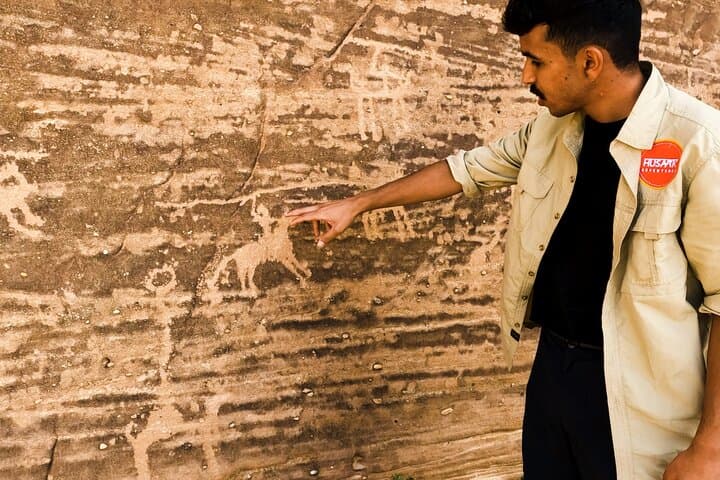
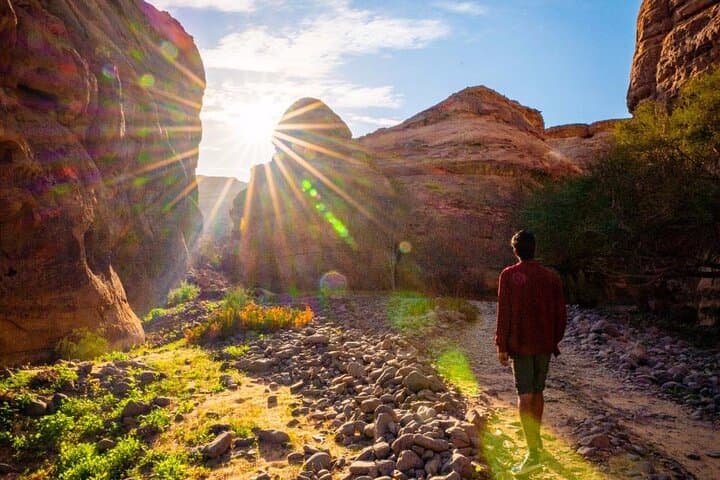
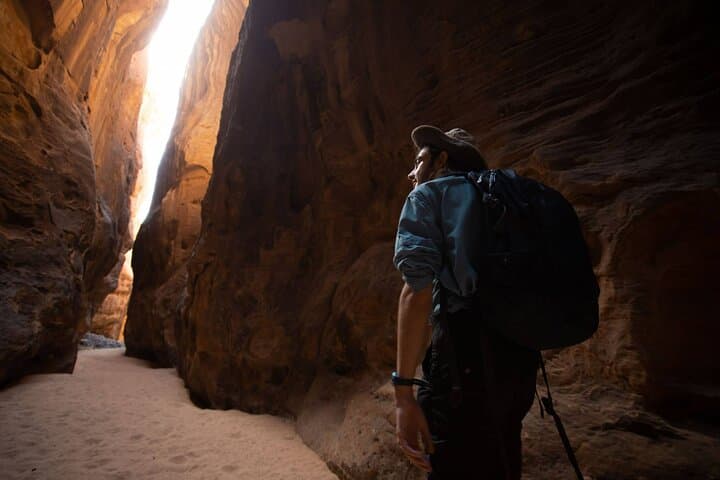
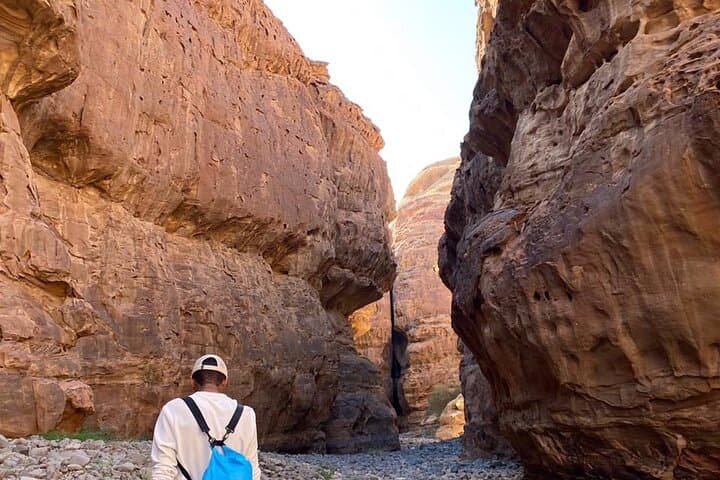
The day opens pale and vast over AlUla’s sandstone ridges as hikers step from soft windblown sand onto broken volcanic slabs. Footsteps mix with an older language here: two-thousand-year-old pictographs tucked into shallow alcoves and scattered along an 8 km route that runs through raw desert floors and stubbled rock outcrops. The landscape pushes and yields—sand nudges ankles while basalt and sandstone demand sure footing.
Verified experiences and guided adventures in the surrounding area.
Operated by Husaak Adventures · AlUla, Al Madinah Region
The day opens pale and vast over AlUla’s sandstone ridges as hikers step from soft windblown sand onto broken volcanic slabs. Footsteps mix with an older language here: two-thousand-year-old pictographs tucked into shallow alcoves and scattered along an 8 km route that runs through raw desert floors and stubbled rock outcrops. The landscape pushes and yields—sand nudges ankles while basalt and sandstone demand sure footing.
This route threads local history and geology. The marks on the stone record human presence long before modern borders; later trade routes and Nabatean influence reshaped the valley’s settlements. Volcanic flows and sedimentary cliffs show a region scarred by emplacement and erosion, creating sheltered panels where prehistoric artists left images. The culture around AlUla today blends Bedouin heritage with growing conservation and tourism efforts led by certified operators—safety standards here are high compared with regional norms.
Practically: expect 3–4 hours on mixed terrain with about 8 km covered; some short, steep steps and loose scree are common. Start early to avoid midday heat, carry plentiful water, and use a hat and sunscreen—sun and wind are active companions. Respect the pictographs: do not touch or climb on panels. The trail is best for hikers aged 12+ with moderate fitness; guides add local context and navigation through the more labyrinthine sections.
At day’s end the rocks glow, and the wind seems to read the glyphs aloud—an exacting, tactile hike that pairs desert grit with visible traces of the past.
moderate.
3–4 hours.
Moderate conditioning: comfortable walking on uneven ground for several hours and able to manage short steep sections.
Yes—this offering is run by an experienced local operator; guides navigate, interpret the pictographs and enforce site protection.
Moderate: the 8 km route includes sand, rock and short elevation changes; participants should be fit enough for several hours of walking.
Photography is allowed but touching or climbing on pictograph panels is prohibited to prevent damage.
Bookings are instant but all sales are final; tours may be canceled by the operator for bad weather or insufficient travelers.
Clusters of pictographs here date back roughly two millennia and sit within a landscape later shaped by Nabatean trade routes and settlement patterns.
The rock art and fragile soils are vulnerable to erosion and human impact—stick to routes, pack out waste, and follow guide instructions to help preserve the site.
Husaak Adventures operates guided outdoor trips and adventures with an emphasis on safety, stewardship, and memorable experiences.
The day opens pale and vast over AlUla’s sandstone ridges as hikers step from soft windblown sand onto broken volcanic slabs. Footsteps mix with an older language here: two-thousand-year-old pictographs tucked into shallow alcoves and scattered along an 8 km route that runs through raw desert floors and stubbled rock outcrops. The landscape pushes and yields—sand nudges ankles while basalt and sandstone demand sure footing.
The day opens pale and vast over AlUla’s sandstone ridges as hikers step from soft windblown sand onto broken volcanic slabs. Footsteps mix with an older language here: two-thousand-year-old pictographs tucked into shallow alcoves and scattered along an 8 km route that runs through raw desert floors and stubbled rock outcrops. The landscape pushes and yields—sand nudges ankles while basalt and sandstone demand sure footing.
This route threads local history and geology. The marks on the stone record human presence long before modern borders; later trade routes and Nabatean influence reshaped the valley’s settlements. Volcanic flows and sedimentary cliffs show a region scarred by emplacement and erosion, creating sheltered panels where prehistoric artists left images. The culture around AlUla today blends Bedouin heritage with growing conservation and tourism efforts led by certified operators—safety standards here are high compared with regional norms.
Practically: expect 3–4 hours on mixed terrain with about 8 km covered; some short, steep steps and loose scree are common. Start early to avoid midday heat, carry plentiful water, and use a hat and sunscreen—sun and wind are active companions. Respect the pictographs: do not touch or climb on panels. The trail is best for hikers aged 12+ with moderate fitness; guides add local context and navigation through the more labyrinthine sections.
At day’s end the rocks glow, and the wind seems to read the glyphs aloud—an exacting, tactile hike that pairs desert grit with visible traces of the past.