THE ADVENTURE COLLECTIVE® · Independent discovery and booking for outdoor travel

A 12‑day journey across Western India that links Mumbai’s island temples, UNESCO cave complexes at Ajanta and Ellora, the ruined cityscape of Hampi, and the beaches of Goa. Expect long drives, early starts at heritage sites, and a coastal finale to unwind.
A 12‑day journey across Western India that links Mumbai’s island temples, UNESCO cave complexes at Ajanta and Ellora, the ruined cityscape of Hampi, and the beaches of Goa. Expect long drives, early starts at heritage sites, and a coastal finale to unwind.
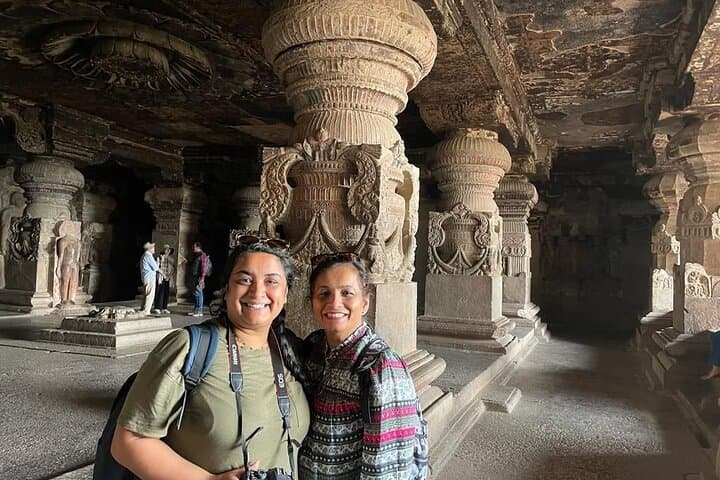
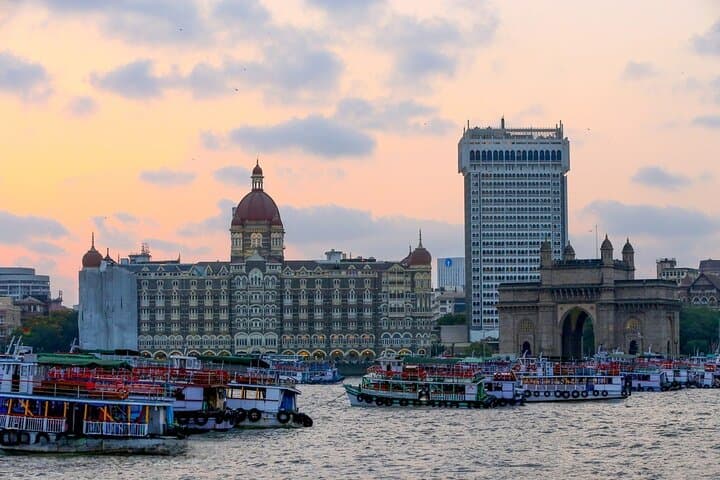
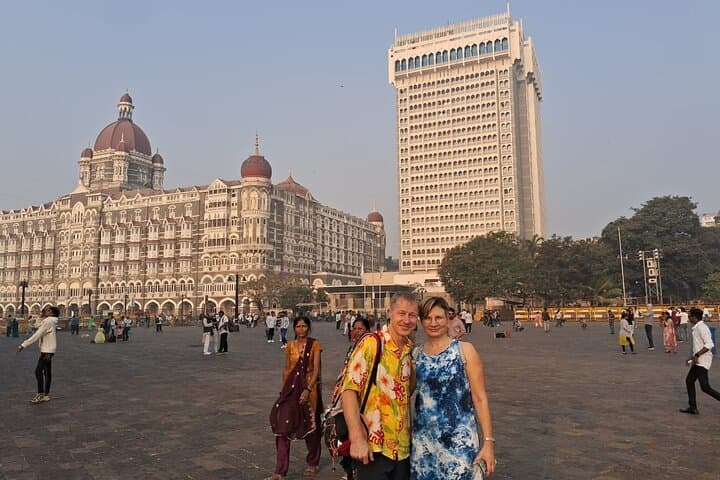
Stepping off the car in Aurangabad, the air smells of dry earth and spice; rock faces curve like pages in a book and the sea waits at the end of the road. This 12‑day circuit threads Mumbai’s crowded docks and Elephanta’s 5th‑century carvings, climbs into Nashik’s temple precincts and vineyards, moves through the layered rock galleries of Ellora and Ajanta, crosses Deccan plateaus to the temple fields of Hampi and Badami, and finishes with late afternoons on Goa’s sunbaked beaches.
Verified experiences and guided adventures in the surrounding area.
Operated by Agora Voyages Pvt. Ltd. · Mumbai, Maharashtra
Stepping off the car in Aurangabad, the air smells of dry earth and spice; rock faces curve like pages in a book and the sea waits at the end of the road. This 12‑day circuit threads Mumbai’s crowded docks and Elephanta’s 5th‑century carvings, climbs into Nashik’s temple precincts and vineyards, moves through the layered rock galleries of Ellora and Ajanta, crosses Deccan plateaus to the temple fields of Hampi and Badami, and finishes with late afternoons on Goa’s sunbaked beaches.
The route follows millennia of human movement: rock‑cut architecture that records Hindu, Jain and Buddhist traditions, Deccan sultanate monuments in Bijapur, and Portuguese‑era churches around Panjim. Geologically, the Deccan Plateau’s basalt flows created the cliffs and boulder-strewn ruins that make Hampi and Badami dramatic to explore. Local culture ranges from Maharashtra’s temple festivals to Konkani coastal cuisine; vineyards in Nashik add an unexpected modern note.
Practical guidance: expect long drives (several days include 3–8 hour transfers), many short walks and stair‑climbs at archaeological sites, and hot, dry conditions outside the monsoon. Start site visits early to avoid heat and crowds, carry a reusable water bottle, and bring comfortable walking shoes with good grip for uneven rock surfaces. Entry fees and guided walks are usually included on key days; keep photocopies of travel documents and a lightweight daypack for cameras, sunscreen, and snacks. With basic mobility and tolerance for extended travel days, this itinerary balances immersive history with restful coastal finish.
moderate.
11–12 days.
Suitable for travelers in average fitness who can handle multiple days of walking, stair climbs, and extended vehicle transfers.
Not highly—most days involve short to moderate walks and stairs at sites; long drives are common, so mobility for getting on/off vehicles and climbing steps is required.
This itinerary is based on private road transfers between destinations; flights are not included unless specified in a customized option.
Entry permits and guide availability can be limited—booked tours usually include monument entrances, but confirm reservations ahead of peak season.
English‑speaking tour guides are provided on sightseeing days; local guides may speak regional languages such as Marathi, Kannada, or Konkani where applicable.
The route traces civilizational layers—Buddhist monastic complexes at Ajanta, multi‑faith rock temples at Ellora, and Vijayanagara’s ruined capital at Hampi reflecting medieval Deccan power.
Many sites face erosion and visitor pressure; stick to marked paths, avoid touching frescoes in Ajanta, and follow local guidelines to minimize impact.
Agora Voyages Pvt. Ltd. operates guided outdoor trips and adventures with an emphasis on safety, stewardship, and memorable experiences.

Stepping off the car in Aurangabad, the air smells of dry earth and spice; rock faces curve like pages in a book and the sea waits at the end of the road. This 12‑day circuit threads Mumbai’s crowded docks and Elephanta’s 5th‑century carvings, climbs into Nashik’s temple precincts and vineyards, moves through the layered rock galleries of Ellora and Ajanta, crosses Deccan plateaus to the temple fields of Hampi and Badami, and finishes with late afternoons on Goa’s sunbaked beaches.
Stepping off the car in Aurangabad, the air smells of dry earth and spice; rock faces curve like pages in a book and the sea waits at the end of the road. This 12‑day circuit threads Mumbai’s crowded docks and Elephanta’s 5th‑century carvings, climbs into Nashik’s temple precincts and vineyards, moves through the layered rock galleries of Ellora and Ajanta, crosses Deccan plateaus to the temple fields of Hampi and Badami, and finishes with late afternoons on Goa’s sunbaked beaches.
The route follows millennia of human movement: rock‑cut architecture that records Hindu, Jain and Buddhist traditions, Deccan sultanate monuments in Bijapur, and Portuguese‑era churches around Panjim. Geologically, the Deccan Plateau’s basalt flows created the cliffs and boulder-strewn ruins that make Hampi and Badami dramatic to explore. Local culture ranges from Maharashtra’s temple festivals to Konkani coastal cuisine; vineyards in Nashik add an unexpected modern note.
Practical guidance: expect long drives (several days include 3–8 hour transfers), many short walks and stair‑climbs at archaeological sites, and hot, dry conditions outside the monsoon. Start site visits early to avoid heat and crowds, carry a reusable water bottle, and bring comfortable walking shoes with good grip for uneven rock surfaces. Entry fees and guided walks are usually included on key days; keep photocopies of travel documents and a lightweight daypack for cameras, sunscreen, and snacks. With basic mobility and tolerance for extended travel days, this itinerary balances immersive history with restful coastal finish.