THE ADVENTURE COLLECTIVE® · Independent discovery and booking for outdoor travel

A short, four‑hour excursion from Tbilisi that visits Jvari Monastery, Samtavro, and Svetitskhoveli Cathedral. Expect short walks on historic stone, sweeping river views, and a clear primer on Georgia’s early Christian heritage.
A short, four‑hour excursion from Tbilisi that visits Jvari Monastery, Samtavro, and Svetitskhoveli Cathedral. Expect short walks on historic stone, sweeping river views, and a clear primer on Georgia’s early Christian heritage.
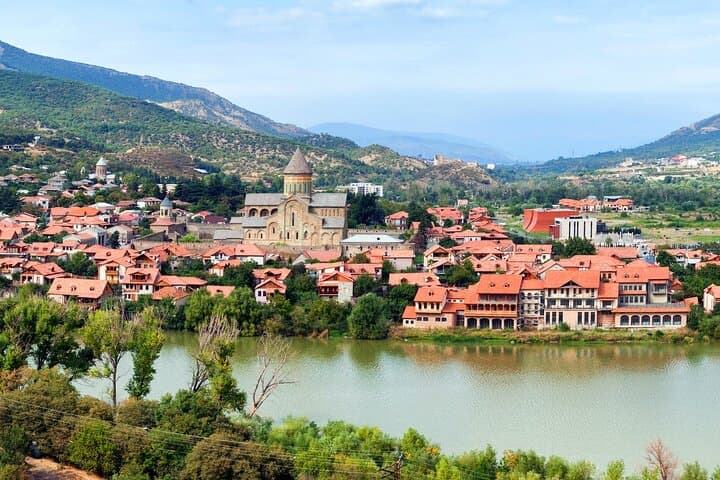
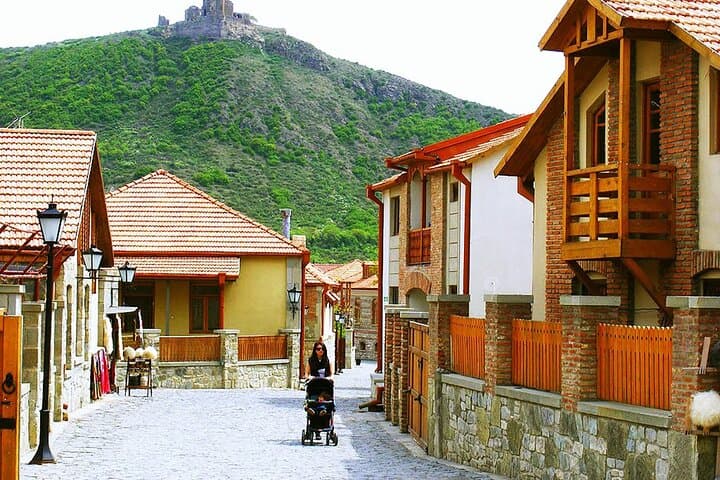
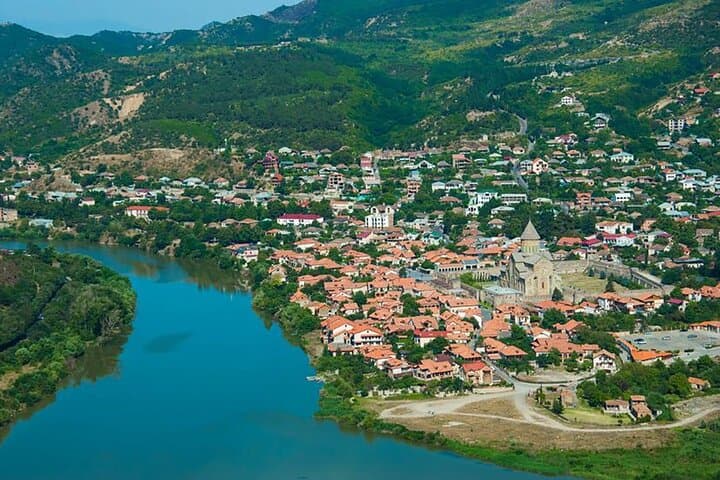
Morning light cuts across the confluence of two rivers as the driver turns off the Tbilisi highway and the town of Mtskheta fills the windshield — low stone houses, church domes, and a hill crowned by Jvari Monastery.
Verified experiences and guided adventures in the surrounding area.
Operated by Travelers Tbilisi · Mtskheta, Mtskheta-Mtianeti
Morning light cuts across the confluence of two rivers as the driver turns off the Tbilisi highway and the town of Mtskheta fills the windshield — low stone houses, church domes, and a hill crowned by Jvari Monastery.
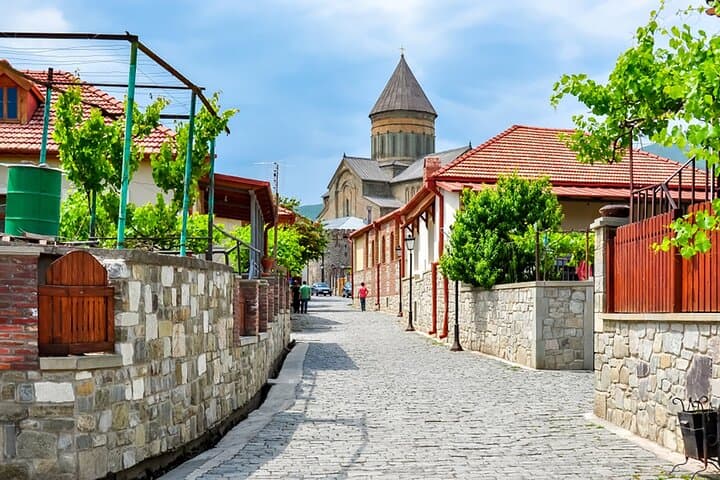
Here the Mtkvari and Aragvi rivers seem to argue with one another, their meeting point framed by terraces of olive-gray rock. The town’s compact streets lead to Svetitskhoveli Cathedral, where carved stone and frescoed interiors trace the transition of Georgia into a Christian kingdom in the 4th century. Walk the worn flagstones and you feel the weight of pilgrimages and the patient craftsmanship of medieval masons.
Geology is visible in short: folded sedimentary ridges cut by river valleys, a landscape shaped by the Greater Caucasus foothills. Cultural notes arrive in the form of wooden icon racks, Georgian polyphonic chants, and vendors selling churchkhela and sweet pastries outside monastery gates.
Practically, this is a four-hour loop best done as a half-day from Tbilisi. Transport is by air-conditioned vehicle; expect short walks on uneven stone and gravel, some modest steps at viewpoints. Wear supportive shoes, modest clothing for churches, and carry water — summer sun is direct, and winter winds can bite on exposed hilltops.
Timing, modest pacing, and respect for active worship make this a layered visit: you’ll see UNESCO sites, hear local stories about St. Nino, and stand where centuries of travelers stopped to look back toward the mountains. For a compact, accessible dive into Georgian history, Mtskheta delivers clarity and restraint: compact, storied, and immediate.
easy.
4 hours.
Suitable for most fitness levels; involves short, non-technical walks on uneven ground and some steps
The itinerary is approximately four hours total, typically run as a half‑day trip from Tbilisi.
This tour description notes admission as not applicable; some sites are free while others may request small donations—confirm with your operator.
Yes — the route involves short, non-technical walks and is marked as suitable for all fitness levels, though there are steps at viewpoints.
Yes, Mtskheta is compact and reachable by taxi or bus from Tbilisi, but a guided tour provides historical context and convenient transport.
Mtskheta was the early capital of the eastern Georgian kingdom of Iberia and one of the first places to adopt Christianity as a state religion in the 4th century.
Visitors should stay on marked paths, avoid disturbing frescoes or icons, and support local businesses to help maintain heritage sites sustainably.
Travelers Tbilisi operates guided outdoor trips and adventures with an emphasis on safety, stewardship, and memorable experiences.
Morning light cuts across the confluence of two rivers as the driver turns off the Tbilisi highway and the town of Mtskheta fills the windshield — low stone houses, church domes, and a hill crowned by Jvari Monastery.
Morning light cuts across the confluence of two rivers as the driver turns off the Tbilisi highway and the town of Mtskheta fills the windshield — low stone houses, church domes, and a hill crowned by Jvari Monastery.
Here the Mtkvari and Aragvi rivers seem to argue with one another, their meeting point framed by terraces of olive-gray rock. The town’s compact streets lead to Svetitskhoveli Cathedral, where carved stone and frescoed interiors trace the transition of Georgia into a Christian kingdom in the 4th century. Walk the worn flagstones and you feel the weight of pilgrimages and the patient craftsmanship of medieval masons.
Geology is visible in short: folded sedimentary ridges cut by river valleys, a landscape shaped by the Greater Caucasus foothills. Cultural notes arrive in the form of wooden icon racks, Georgian polyphonic chants, and vendors selling churchkhela and sweet pastries outside monastery gates.
Practically, this is a four-hour loop best done as a half-day from Tbilisi. Transport is by air-conditioned vehicle; expect short walks on uneven stone and gravel, some modest steps at viewpoints. Wear supportive shoes, modest clothing for churches, and carry water — summer sun is direct, and winter winds can bite on exposed hilltops.
Timing, modest pacing, and respect for active worship make this a layered visit: you’ll see UNESCO sites, hear local stories about St. Nino, and stand where centuries of travelers stopped to look back toward the mountains. For a compact, accessible dive into Georgian history, Mtskheta delivers clarity and restraint: compact, storied, and immediate.