THE ADVENTURE COLLECTIVE® · Independent discovery and booking for outdoor travel

Step into Cusco’s living history with tailored cultural and culinary experiences that mix market visits, hands-on cooking, and guided walks through Inka and colonial streets. Practical tips on altitude, timing, and local etiquette help you make the most of the trip.
Step into Cusco’s living history with tailored cultural and culinary experiences that mix market visits, hands-on cooking, and guided walks through Inka and colonial streets. Practical tips on altitude, timing, and local etiquette help you make the most of the trip.
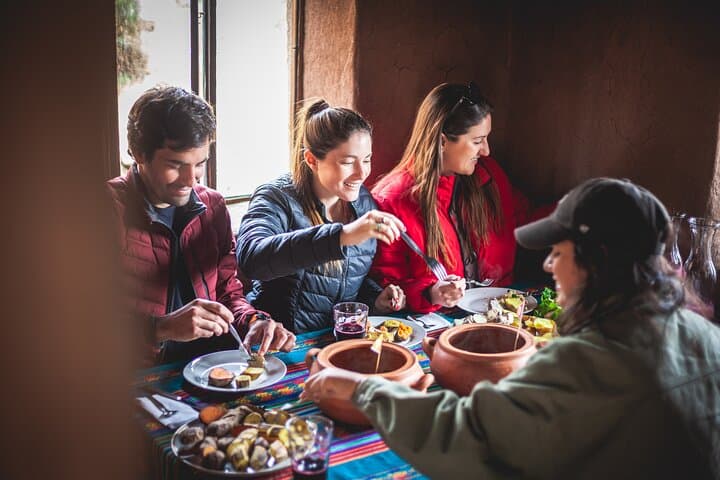
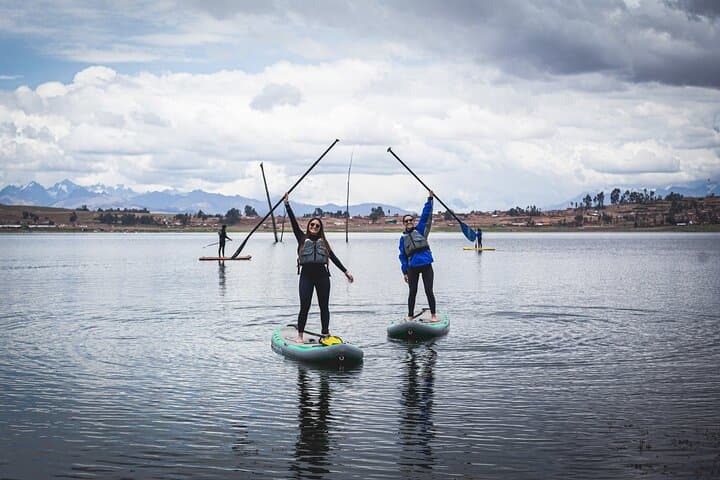
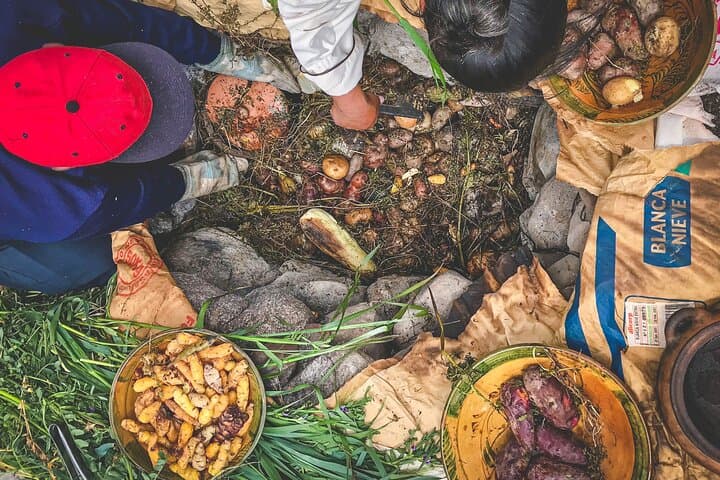
Dawn breaks over Plaza de Armas and the city exhales — church bells, a market hawker’s call, the steady clack of cobblestones underfoot. A Journey in Cusco drops you into that pulse: narrow streets that climb toward sunlit viewpoints, kitchens where corn and native potatoes steam, and hosts who trace family recipes back to the Inka era.
Verified experiences and guided adventures in the surrounding area.
Operated by Peru Well Served · Cusco, Cusco
Dawn breaks over Plaza de Armas and the city exhales — church bells, a market hawker’s call, the steady clack of cobblestones underfoot. A Journey in Cusco drops you into that pulse: narrow streets that climb toward sunlit viewpoints, kitchens where corn and native potatoes steam, and hosts who trace family recipes back to the Inka era.
Cusco is the Inka capital turned living city. Its foundations sit on carved stone blocks reused by colonial builders; the geology of the valley—steep, terraced slopes fed by seasonal streams—shaped agriculture and settlement for centuries. Culture here is practical and proud: Quechua songs at festivals, markets selling chuño and roasted corn, and chefs reviving ancestral techniques with modern flavor.
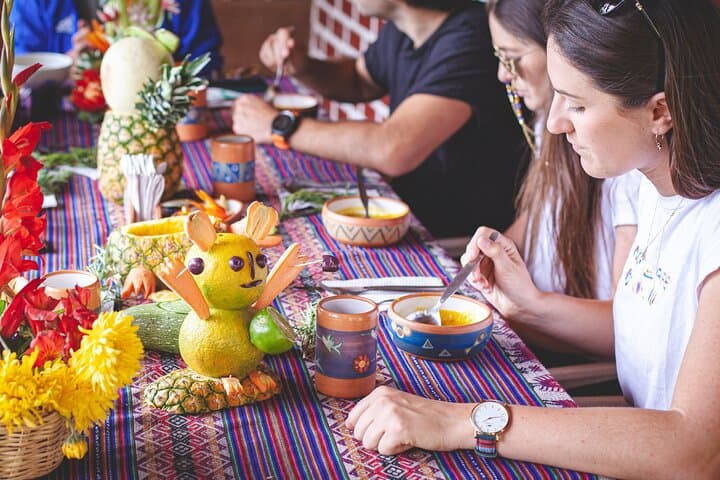
Expect experiences tailored to time and interest: culinary workshops with market visits, guided walks to colonial churches and Inka ruins in and around the city, and private encounters with local artisans. Visits often pair food with history—tasting cuy or quinoa preparations while learning about terrace farming and pre-Columbian rituals.
Practical guidance: acclimatize for 24–48 hours to reduce altitude effects, carry water and salt tablets if you’re sensitive, and plan activities in the morning when energy is best. Comfortable, broken-in footwear handles irregular cobbles; layers are essential as highland temperatures swing quickly. Book with hosts who prioritize small groups and local sourcing to support authentic cultural exchange. Whether you’re here for a short immersive class or a multi-day curated itinerary, Cusco rewards curiosity and a patient pace.
moderate.
Half-day–8 days.
Light to moderate fitness; able to walk on uneven surfaces and tolerate brief uphill sections.
Yes—Cusco sits around 3,400 m (11,150 ft). Plan a slow first day, hydrate, avoid heavy alcohol, and consider medication if you have a history of altitude issues.
Many operators accommodate vegetarian, vegan, and common allergies if notified in advance; specialty diets should be communicated at booking.
Basic Spanish helps, but most curated experiences offer guides who speak English; request language preferences when booking.
Most hosts include local transfers or meet you centrally; public transport and taxis are widely available but factor in time for traffic and cobbled streets.
Cusco was the political and spiritual heart of the Inka Empire; Spanish colonials built churches atop Inka foundations, creating the layered urban fabric seen today.
Sustainable tourism is growing—choose operators who use local produce, limit group sizes, and respect archaeological site regulations to reduce wear and support communities.
Peru Well Served operates guided outdoor trips and adventures with an emphasis on safety, stewardship, and memorable experiences.
Dawn breaks over Plaza de Armas and the city exhales — church bells, a market hawker’s call, the steady clack of cobblestones underfoot. A Journey in Cusco drops you into that pulse: narrow streets that climb toward sunlit viewpoints, kitchens where corn and native potatoes steam, and hosts who trace family recipes back to the Inka era.
Dawn breaks over Plaza de Armas and the city exhales — church bells, a market hawker’s call, the steady clack of cobblestones underfoot. A Journey in Cusco drops you into that pulse: narrow streets that climb toward sunlit viewpoints, kitchens where corn and native potatoes steam, and hosts who trace family recipes back to the Inka era.
Cusco is the Inka capital turned living city. Its foundations sit on carved stone blocks reused by colonial builders; the geology of the valley—steep, terraced slopes fed by seasonal streams—shaped agriculture and settlement for centuries. Culture here is practical and proud: Quechua songs at festivals, markets selling chuño and roasted corn, and chefs reviving ancestral techniques with modern flavor.
Expect experiences tailored to time and interest: culinary workshops with market visits, guided walks to colonial churches and Inka ruins in and around the city, and private encounters with local artisans. Visits often pair food with history—tasting cuy or quinoa preparations while learning about terrace farming and pre-Columbian rituals.
Practical guidance: acclimatize for 24–48 hours to reduce altitude effects, carry water and salt tablets if you’re sensitive, and plan activities in the morning when energy is best. Comfortable, broken-in footwear handles irregular cobbles; layers are essential as highland temperatures swing quickly. Book with hosts who prioritize small groups and local sourcing to support authentic cultural exchange. Whether you’re here for a short immersive class or a multi-day curated itinerary, Cusco rewards curiosity and a patient pace.