THE ADVENTURE COLLECTIVE® · Independent discovery and booking for outdoor travel

Walk the Hidden Valley Nature Trail at your own pace with an audio guide that triggers stories and directions as you go. This one-mile loop offers dramatic rock formations, desert flora, and a compact taste of Joshua Tree’s geology and history.
Walk the Hidden Valley Nature Trail at your own pace with an audio guide that triggers stories and directions as you go. This one-mile loop offers dramatic rock formations, desert flora, and a compact taste of Joshua Tree’s geology and history.
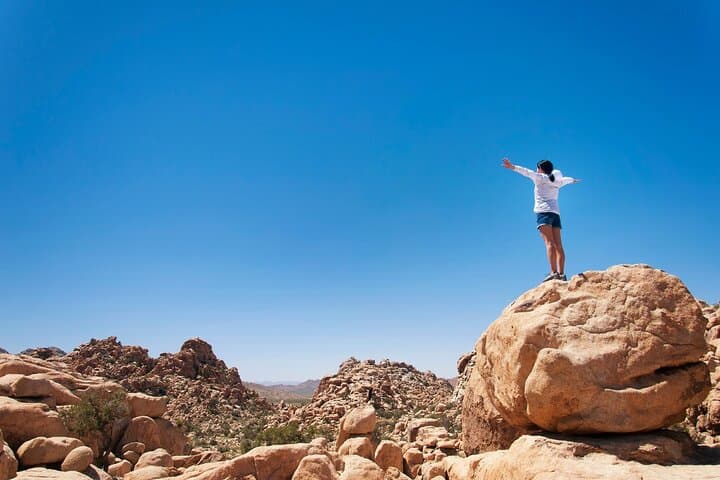
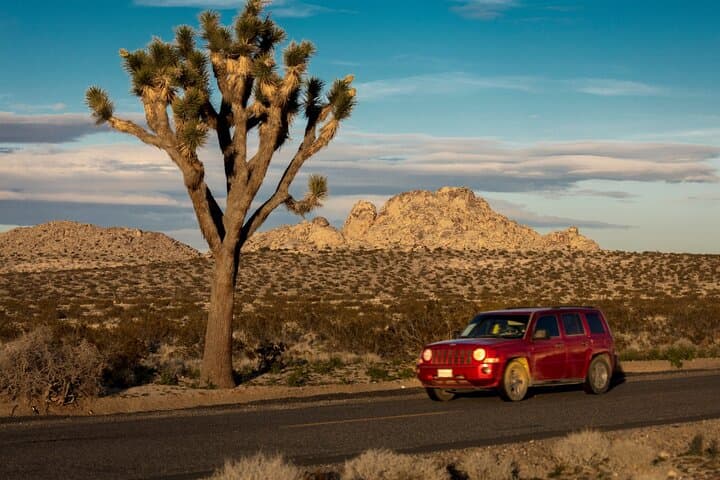
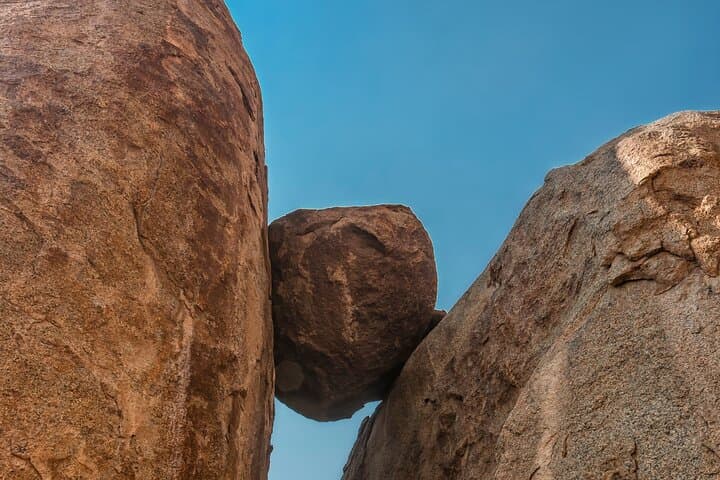
Morning light slices between sculpted granite; wind carries the dry scent of creosote as you step onto a bowl of open desert ringed by soaring boulders. The Hidden Valley Nature Trail is compact — roughly one mile of packed dirt and sandy switchbacks — but the scene changes with every turn: jutting rocks daring you to climb them, Joshua trees bristling like desert guardians, and a narrow chasm that hints at deeper geology.
Verified experiences and guided adventures in the surrounding area.
Operated by Gypsy Guide GPS LLC · Joshua Tree, California
Morning light slices between sculpted granite; wind carries the dry scent of creosote as you step onto a bowl of open desert ringed by soaring boulders. The Hidden Valley Nature Trail is compact — roughly one mile of packed dirt and sandy switchbacks — but the scene changes with every turn: jutting rocks daring you to climb them, Joshua trees bristling like desert guardians, and a narrow chasm that hints at deeper geology.
Hidden Valley has a practical past: cattle rustlers and early day ranchers used this sheltered basin, and the rock walls tell a longer story of uplift and erosion where the Mojave and Colorado deserts meet. Botanically, the valley hosts resilient species — yucca, nolina and creosote — and in spring the nolina and wildflowers can pop with unexpected blooms after rain.
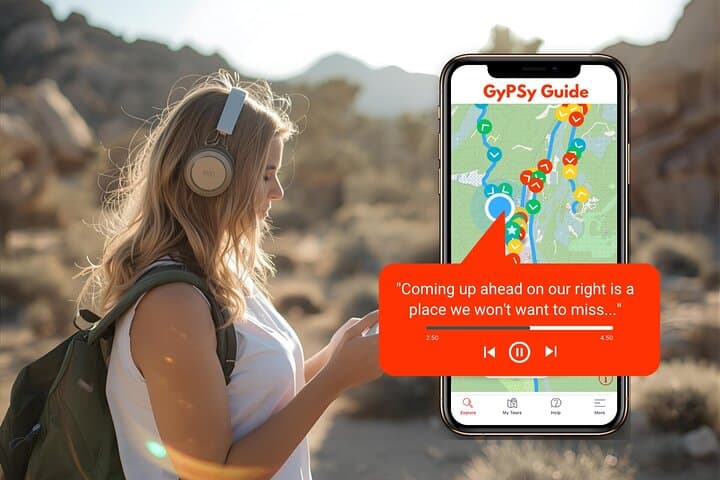
This self-guided audio tour layers narrative onto place. Expect short, GPS-triggered vignettes about climbing history, local myths like the Yucca Man, and conservation efforts that shaped protections across Joshua Tree.
Practical guidance: download the GuideAlong app and the tour over reliable Wi‑Fi before you arrive; the route requires no service once cached. Wear sturdy shoes for uneven granite and loose sand, carry at least one liter of water per person for the short loop (temperatures can spike), and plan your visit for early morning or late afternoon to avoid the heat and to catch long shadows that make the rock formations pop. Respect seasonal closures, pack out trash, and leave the plants and cryptobiotic soils undisturbed — the trail is short, but its impact can be long-lasting if visitors aren’t careful.
easy.
60–120 minutes.
Suitable for most fitness levels; basic walking on uneven desert terrain with short, rocky sections
No—download the GuideAlong app and the tour over Wi‑Fi before you arrive; the audio and GPS prompts work offline once cached.
Yes—Joshua Tree National Park requires entry; pay park entrance fees or use an annual pass at park gates or online before arrival.
The loop itself is about one mile and can take 30–60 minutes; allow 60–120 minutes to listen to stories, explore side features, and take photos.
The trail is family-friendly for walkers and older kids, but dogs are not allowed on most park trails—check current park rules before bringing pets.
Hidden Valley was long used as a natural corral and later drew rock climbers; the area sits where the Mojave and Colorado deserts overlap, producing distinct plant communities.
Stay on established trails to protect cryptobiotic soil and rare plants; Joshua Tree faces stresses from development, invasive species and climate change, so low-impact visits matter.
Gypsy Guide GPS LLC operates guided outdoor trips and adventures with an emphasis on safety, stewardship, and memorable experiences.
Morning light slices between sculpted granite; wind carries the dry scent of creosote as you step onto a bowl of open desert ringed by soaring boulders. The Hidden Valley Nature Trail is compact — roughly one mile of packed dirt and sandy switchbacks — but the scene changes with every turn: jutting rocks daring you to climb them, Joshua trees bristling like desert guardians, and a narrow chasm that hints at deeper geology.
Morning light slices between sculpted granite; wind carries the dry scent of creosote as you step onto a bowl of open desert ringed by soaring boulders. The Hidden Valley Nature Trail is compact — roughly one mile of packed dirt and sandy switchbacks — but the scene changes with every turn: jutting rocks daring you to climb them, Joshua trees bristling like desert guardians, and a narrow chasm that hints at deeper geology.
Hidden Valley has a practical past: cattle rustlers and early day ranchers used this sheltered basin, and the rock walls tell a longer story of uplift and erosion where the Mojave and Colorado deserts meet. Botanically, the valley hosts resilient species — yucca, nolina and creosote — and in spring the nolina and wildflowers can pop with unexpected blooms after rain.
This self-guided audio tour layers narrative onto place. Expect short, GPS-triggered vignettes about climbing history, local myths like the Yucca Man, and conservation efforts that shaped protections across Joshua Tree.
Practical guidance: download the GuideAlong app and the tour over reliable Wi‑Fi before you arrive; the route requires no service once cached. Wear sturdy shoes for uneven granite and loose sand, carry at least one liter of water per person for the short loop (temperatures can spike), and plan your visit for early morning or late afternoon to avoid the heat and to catch long shadows that make the rock formations pop. Respect seasonal closures, pack out trash, and leave the plants and cryptobiotic soils undisturbed — the trail is short, but its impact can be long-lasting if visitors aren’t careful.