THE ADVENTURE COLLECTIVE® · Independent discovery and booking for outdoor travel

Spend a private day exploring Joshua Tree’s boulder gardens, rare palm oases, and rolling desert vistas with a naturalist guide who tailors hikes to your group. This full-day tour blends geology, history, and hands-on desert knowledge for a compact, interpretive adventure.
Spend a private day exploring Joshua Tree’s boulder gardens, rare palm oases, and rolling desert vistas with a naturalist guide who tailors hikes to your group. This full-day tour blends geology, history, and hands-on desert knowledge for a compact, interpretive adventure.
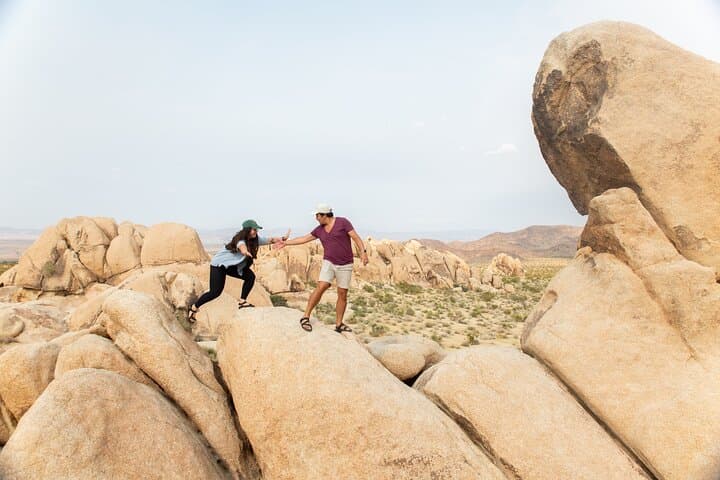
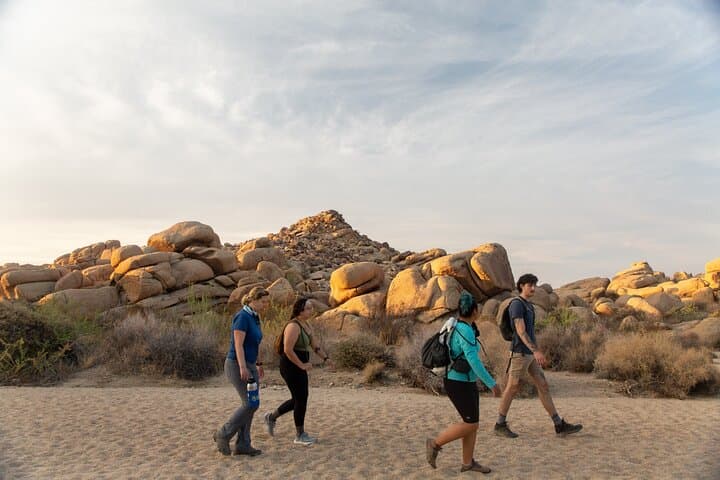
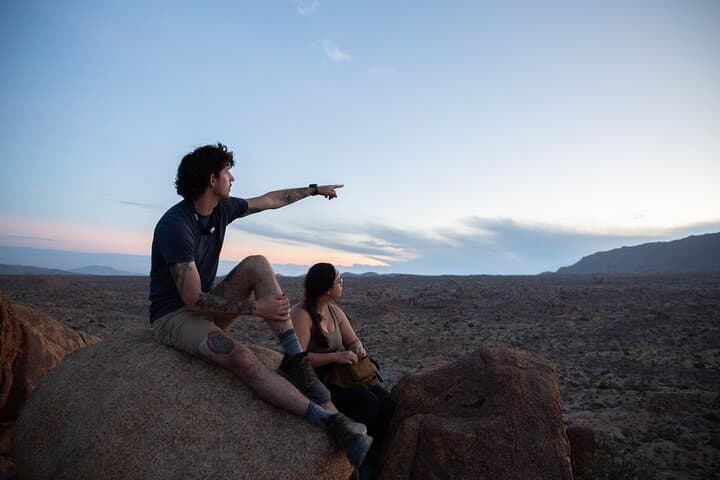
You step out of an air-conditioned van and the desert announces itself in a single, dry breath: gnarled Joshua trunks cut sharp silhouettes against an enormous blue sky, and granite boulders pile up like the remains of something tectonic and deliberate. Your guide folds a park map and points to the day’s options—Lost Palms Oasis, a ridge scramble up Mastodon Peak, a labyrinth of balancing rocks near Jumbo Rocks—then adjusts the route to the group’s pace. The day becomes a series of purposeful stops, each with a geological anecdote, a botanical eye-opener, and, if you’re lucky, an animal track telling the story of a night in the desert.
Verified experiences and guided adventures in the surrounding area.
Operated by Good Trip Adventures · Joshua Tree, California
You step out of an air-conditioned van and the desert announces itself in a single, dry breath: gnarled Joshua trunks cut sharp silhouettes against an enormous blue sky, and granite boulders pile up like the remains of something tectonic and deliberate. Your guide folds a park map and points to the day’s options—Lost Palms Oasis, a ridge scramble up Mastodon Peak, a labyrinth of balancing rocks near Jumbo Rocks—then adjusts the route to the group’s pace. The day becomes a series of purposeful stops, each with a geological anecdote, a botanical eye-opener, and, if you’re lucky, an animal track telling the story of a night in the desert.
Joshua Tree National Park occupies the edge where the Mojave gives way to the Colorado Desert; that meeting of climates explains the park’s strange diversity. Granite monoliths are born of rapid cooling and eons of exfoliation, yielding the rounded, chaotic blocks climbers and photographers line up to scale. The park’s signature Yucca brevifolia —the Joshua tree—evolved to survive temperature swings, low rainfall and frequent winds. Historic mining relics, scattered across the landscape, recall a 19th-century rush that left shafts and equipment as quiet markers of human ambition.
A private guide changes the scale of the place: geology moves from textbook to tangible, plants are named not listed, and the best vistas arrive after a bit of effort. Lost Palms Oasis rewards a steady, 4–7 mile round trip with a rare stand of fan palms and shaded cool spots where water still soaks lower soil layers. Mastodon Peak is a shorter, steeper scramble with sweeping views that let you read the park’s topography in real time. Midday, a gourmet picnic lunch is staged under a spread of Joshua trees, a practical pause to hydrate and listen for raven calls.
Practically speaking: plan on a full 6–8 hour day with 1–7 miles of on-foot activity depending on your chosen hikes and groups’ ability. Expect unshaded sections and rocky footing—sturdy shoes with good tread matter more than flash. Start early in summer to avoid peak heat; bring at least 2 liters of water per person, sun protection, and layered clothing for wind and afternoon chill. Guides handle logistics, from park entry to route selection, but tipping, a filled water bottle, and a small daypack will keep the day smooth.
By the end of the tour, the desert feels less like an anonymous scene and more like a living, stubborn landscape—one that tests your pace, rewards observation, and insists you leave it as you found it.
moderate.
6–8 hours.
Moderate fitness for walking on uneven desert trails and short scrambles; able to handle several miles and some elevation gain.
Tours run about 6–8 hours; hiking distance is tailored to your group but typically ranges from short 1-mile walks to full out-and-back hikes of 4–7 miles.
Yes—park entry fees are included in the tour price listed under inclusions.
Yes—the private nature of the tour allows guides to select routes suited to fitness levels, interests, and mobility concerns.
A gourmet picnic lunch is provided and can accommodate dietary requests if you note them at booking; bring snacks if you have special preferences.
Yes—infant seats are available and the tour is described as suitable for all fitness levels; confirm ages and needs when booking.
Expect desert species like jackrabbits and coyotes at a distance, plus reptiles and a variety of birds—wildlife sightings are common but never guaranteed.
The park’s landscape records both Indigenous land use and a brief mining boom in the late 1800s and early 1900s; many old shafts and equipment remain as historical markers.
Stay on designated trails to protect cryptobiotic soils and fragile plant roots; guides emphasize Leave No Trace practices to minimize visitor impact.
Good Trip Adventures operates guided outdoor trips and adventures with an emphasis on safety, stewardship, and memorable experiences.

You step out of an air-conditioned van and the desert announces itself in a single, dry breath: gnarled Joshua trunks cut sharp silhouettes against an enormous blue sky, and granite boulders pile up like the remains of something tectonic and deliberate. Your guide folds a park map and points to the day’s options—Lost Palms Oasis, a ridge scramble up Mastodon Peak, a labyrinth of balancing rocks near Jumbo Rocks—then adjusts the route to the group’s pace. The day becomes a series of purposeful stops, each with a geological anecdote, a botanical eye-opener, and, if you’re lucky, an animal track telling the story of a night in the desert.
You step out of an air-conditioned van and the desert announces itself in a single, dry breath: gnarled Joshua trunks cut sharp silhouettes against an enormous blue sky, and granite boulders pile up like the remains of something tectonic and deliberate. Your guide folds a park map and points to the day’s options—Lost Palms Oasis, a ridge scramble up Mastodon Peak, a labyrinth of balancing rocks near Jumbo Rocks—then adjusts the route to the group’s pace. The day becomes a series of purposeful stops, each with a geological anecdote, a botanical eye-opener, and, if you’re lucky, an animal track telling the story of a night in the desert.
Joshua Tree National Park occupies the edge where the Mojave gives way to the Colorado Desert; that meeting of climates explains the park’s strange diversity. Granite monoliths are born of rapid cooling and eons of exfoliation, yielding the rounded, chaotic blocks climbers and photographers line up to scale. The park’s signature Yucca brevifolia —the Joshua tree—evolved to survive temperature swings, low rainfall and frequent winds. Historic mining relics, scattered across the landscape, recall a 19th-century rush that left shafts and equipment as quiet markers of human ambition.
A private guide changes the scale of the place: geology moves from textbook to tangible, plants are named not listed, and the best vistas arrive after a bit of effort. Lost Palms Oasis rewards a steady, 4–7 mile round trip with a rare stand of fan palms and shaded cool spots where water still soaks lower soil layers. Mastodon Peak is a shorter, steeper scramble with sweeping views that let you read the park’s topography in real time. Midday, a gourmet picnic lunch is staged under a spread of Joshua trees, a practical pause to hydrate and listen for raven calls.
Practically speaking: plan on a full 6–8 hour day with 1–7 miles of on-foot activity depending on your chosen hikes and groups’ ability. Expect unshaded sections and rocky footing—sturdy shoes with good tread matter more than flash. Start early in summer to avoid peak heat; bring at least 2 liters of water per person, sun protection, and layered clothing for wind and afternoon chill. Guides handle logistics, from park entry to route selection, but tipping, a filled water bottle, and a small daypack will keep the day smooth.
By the end of the tour, the desert feels less like an anonymous scene and more like a living, stubborn landscape—one that tests your pace, rewards observation, and insists you leave it as you found it.