THE ADVENTURE COLLECTIVE® · Independent discovery and booking for outdoor travel

Spend four focused hours climbing the monzogranite of Joshua Tree with a certified guide. Short approaches, tailored routes, and hands-on coaching make this a high-value session for beginners and intermediate climbers alike.
Spend four focused hours climbing the monzogranite of Joshua Tree with a certified guide. Short approaches, tailored routes, and hands-on coaching make this a high-value session for beginners and intermediate climbers alike.
The morning light in Joshua Tree arrives like a slow exhale: granite boulders warm from the night, brittle scrub catching the first gold, and an endless sky that seems to expand the moment you tie in. On a four-hour guided climb here, the day is distilled—short approaches, long routes, and more vertical time than you might expect. Your guide scouts the formation that fits your skill and mood, then sets anchors where the rock feels safest and the views feel most honest.
Verified experiences and guided adventures in the surrounding area.
Operated by Stone Adventures · Joshua Tree, California
The morning light in Joshua Tree arrives like a slow exhale: granite boulders warm from the night, brittle scrub catching the first gold, and an endless sky that seems to expand the moment you tie in. On a four-hour guided climb here, the day is distilled—short approaches, long routes, and more vertical time than you might expect. Your guide scouts the formation that fits your skill and mood, then sets anchors where the rock feels safest and the views feel most honest.
Geologically, Joshua Tree is a playground of monzogranite—massive blocks carved by millions of years of jointing and exfoliation. Those rounded domes and splitter cracks are what climbers come for: friction slabs, hand-sized cracks, and bole-like towers that demand balance and route-reading as much as upper-body strength. Culturally, the park is layered. The land holds traces of Serrano and Chemehuevi people, early miners, and a climbing history that dates back to the mid-20th century when climbers first started testing these routes with hemp ropes and little protection.
A guided four-hour trip is efficient by design. Expect to visit a single climbing area—Hidden Valley, Cap Rock, or one of the quieter formations near Barker Dam—spend the bulk of your time on top-ropes and short multi-pitch attempts, and cycle through several routes tailored to your level. Guides supply harnesses, helmets, ropes, and a thorough safety briefing; they’ll coach footwork, belay technique, and route strategy, letting beginners progress quickly and giving stronger climbers partners for sustained laps.
Practical edge: wear supportive approach shoes or light hiking shoes, bring at least 2 liters of water, and plan climbs for early morning or late afternoon in summer to avoid heat. The park is high desert—temperature swings are real and shade is rare—so layers and sun protection are non-negotiable. Because approaches are short but surfaces are often sandy and sharp, tape your hands if you’re working cracks and consider thin climbing gloves for the hike in and out.
Route selection is part art, part safety: guides weigh wind, rock condition, group ability, and daylight. Communication is straightforward—ask for specific coaching, practice a lead fall on a top-rope if you want to try leading, and accept the guide’s judgment about when to step down. All sales are final for this booking, so come committed and prepared.
At the end of the session you’ll walk away with a handful of clean moves, a better sense of footwork, and a clearer view of why climbers keep coming back to Joshua Tree’s uncompromising rock. The desert doesn’t just test you; it rewards small, steady attention with big, open perspectives.
moderate.
4 hours.
Moderate fitness—comfortable walking on uneven ground and able to stand and belay for periods; not required to be an athlete.
No. The trip accommodates beginners and intermediates; guides provide instruction on gear, belaying, and basic movement.
Guides supply harnesses, helmets, ropes, and technical climbing hardware—bring personal shoes and water.
Trips are private per booking; guides will match route choice to the party’s ability for focused coaching.
Meeting location is emailed after booking and varies by season to optimize conditions; expect a central Joshua Tree area with a Google Maps link.
Many guides welcome children who are physically capable and supervised; age and weight details are collected at booking to ensure appropriate routes and safety systems.
All sales are final—there are no refunds for cancellations, so plan accordingly.
The park has long been occupied by Serrano and Chemehuevi peoples; 20th-century homesteading and mining later shaped access and trails.
Trails and climbing areas are ecologically sensitive—avoid trampling cryptobiotic soils, minimize chalk, and follow Leave No Trace principles.
Stone Adventures operates guided outdoor trips and adventures with an emphasis on safety, stewardship, and memorable experiences.
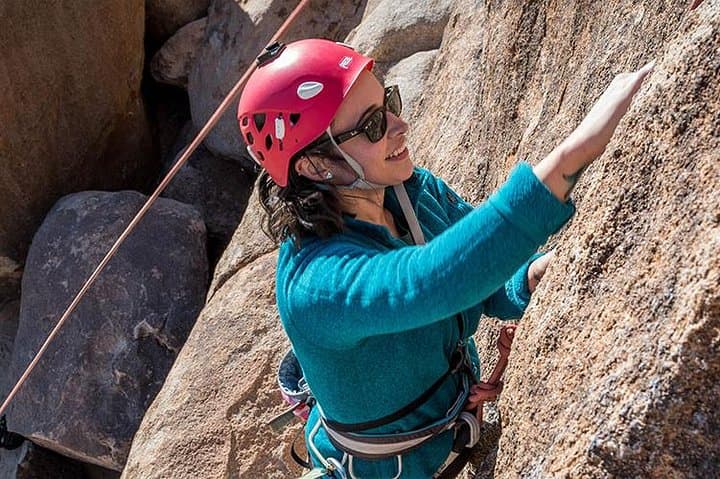
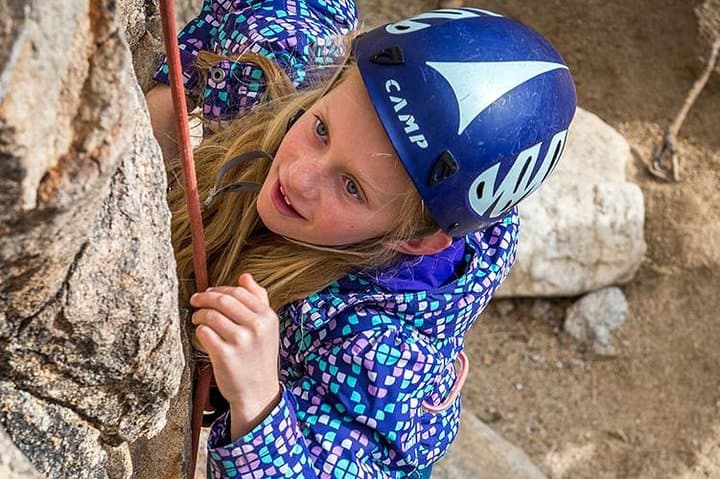
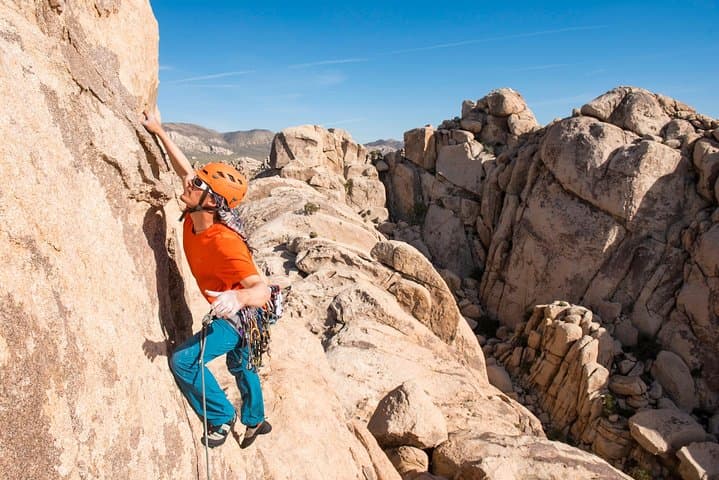
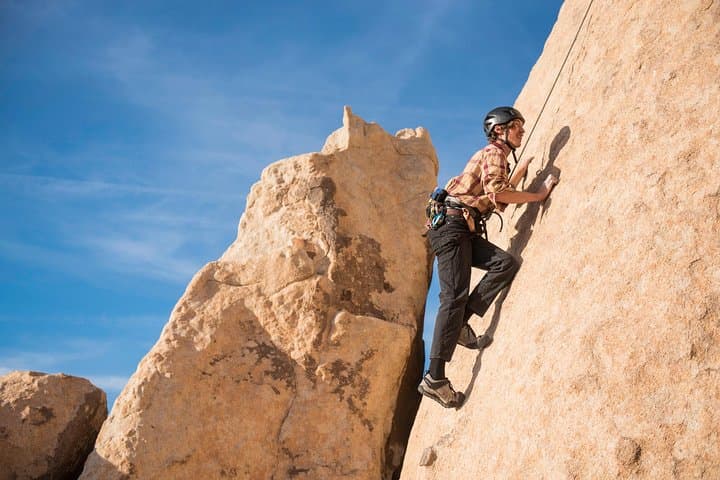
The morning light in Joshua Tree arrives like a slow exhale: granite boulders warm from the night, brittle scrub catching the first gold, and an endless sky that seems to expand the moment you tie in. On a four-hour guided climb here, the day is distilled—short approaches, long routes, and more vertical time than you might expect. Your guide scouts the formation that fits your skill and mood, then sets anchors where the rock feels safest and the views feel most honest.
The morning light in Joshua Tree arrives like a slow exhale: granite boulders warm from the night, brittle scrub catching the first gold, and an endless sky that seems to expand the moment you tie in. On a four-hour guided climb here, the day is distilled—short approaches, long routes, and more vertical time than you might expect. Your guide scouts the formation that fits your skill and mood, then sets anchors where the rock feels safest and the views feel most honest.
Geologically, Joshua Tree is a playground of monzogranite—massive blocks carved by millions of years of jointing and exfoliation. Those rounded domes and splitter cracks are what climbers come for: friction slabs, hand-sized cracks, and bole-like towers that demand balance and route-reading as much as upper-body strength. Culturally, the park is layered. The land holds traces of Serrano and Chemehuevi people, early miners, and a climbing history that dates back to the mid-20th century when climbers first started testing these routes with hemp ropes and little protection.
A guided four-hour trip is efficient by design. Expect to visit a single climbing area—Hidden Valley, Cap Rock, or one of the quieter formations near Barker Dam—spend the bulk of your time on top-ropes and short multi-pitch attempts, and cycle through several routes tailored to your level. Guides supply harnesses, helmets, ropes, and a thorough safety briefing; they’ll coach footwork, belay technique, and route strategy, letting beginners progress quickly and giving stronger climbers partners for sustained laps.
Practical edge: wear supportive approach shoes or light hiking shoes, bring at least 2 liters of water, and plan climbs for early morning or late afternoon in summer to avoid heat. The park is high desert—temperature swings are real and shade is rare—so layers and sun protection are non-negotiable. Because approaches are short but surfaces are often sandy and sharp, tape your hands if you’re working cracks and consider thin climbing gloves for the hike in and out.
Route selection is part art, part safety: guides weigh wind, rock condition, group ability, and daylight. Communication is straightforward—ask for specific coaching, practice a lead fall on a top-rope if you want to try leading, and accept the guide’s judgment about when to step down. All sales are final for this booking, so come committed and prepared.
At the end of the session you’ll walk away with a handful of clean moves, a better sense of footwork, and a clearer view of why climbers keep coming back to Joshua Tree’s uncompromising rock. The desert doesn’t just test you; it rewards small, steady attention with big, open perspectives.