THE ADVENTURE COLLECTIVE® · Independent discovery and booking for outdoor travel

Make the most of a short window in Jordan: in 48 hours this private stopover links Madaba’s mosaics, Mount Nebo’s outlook, a Wadi Rum jeep safari and a sunrise visit to Petra’s carved canyons. Practical tips for timing, gear and pacing included.
Make the most of a short window in Jordan: in 48 hours this private stopover links Madaba’s mosaics, Mount Nebo’s outlook, a Wadi Rum jeep safari and a sunrise visit to Petra’s carved canyons. Practical tips for timing, gear and pacing included.
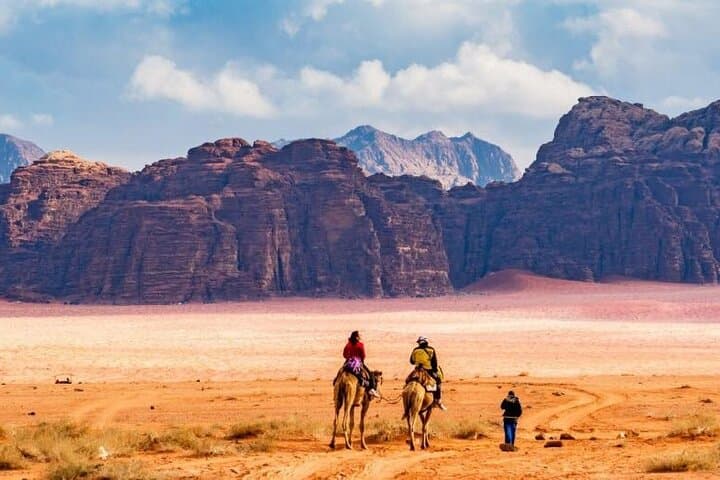
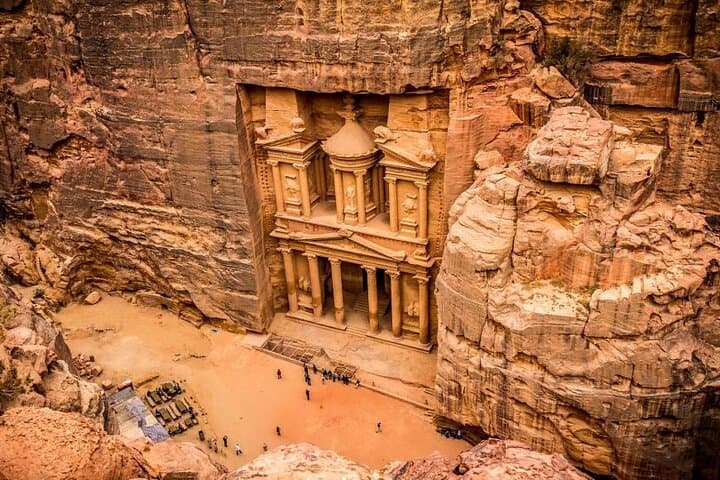
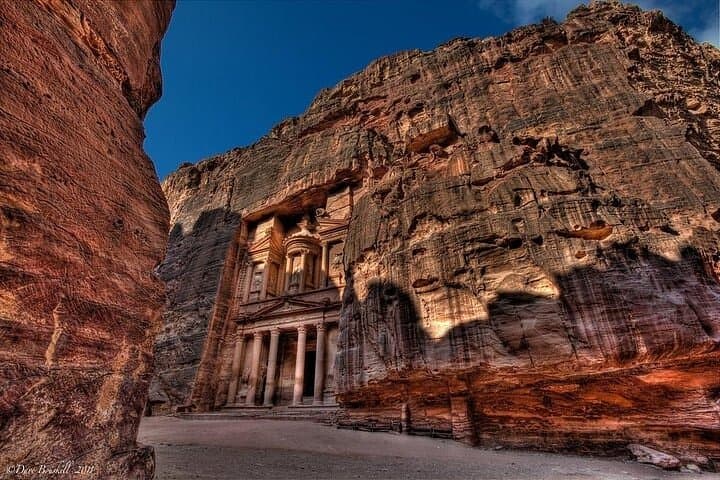
You step out of the cooled car and the desert exhales — a warm, mineral breath that rearranges the senses. In Wadi Rum the sandstone faces lean toward the sky like old storytellers; at Petra the slot canyons squeeze you forward until the canyon opens and the Treasury appears, ungiving and brilliant in the morning light. This private two-day stopover stitches those moments together with Mount Nebo’s biblical outlook and Madaba’s ancient mosaic floors.
Verified experiences and guided adventures in the surrounding area.
Operated by Bridge Travel · Amman, Amman Governorate
You step out of the cooled car and the desert exhales — a warm, mineral breath that rearranges the senses. In Wadi Rum the sandstone faces lean toward the sky like old storytellers; at Petra the slot canyons squeeze you forward until the canyon opens and the Treasury appears, ungiving and brilliant in the morning light. This private two-day stopover stitches those moments together with Mount Nebo’s biblical outlook and Madaba’s ancient mosaic floors.
The route is concise by design: from Amman you descend to Madaba’s St. George church to study the 6th‑century Madaba Map, then climb Mount Nebo where the vista once framed Moses’ last view. The road continues south into the Valley of the Moon — Wadi Rum — where a two‑hour Jeep tour cuts through tracks named for Lawrence and Bedouin tribes, then a night in a deluxe tent beneath a vast sky. Day two opens at dawn with a transfer to Petra; two to four hours of walking through the Siq bring you to carved façades and amphitheaters hewn into rose-red sandstone.
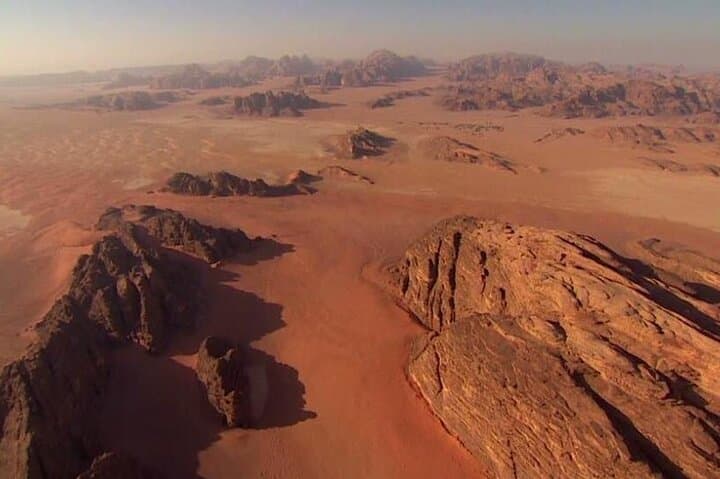
Geology is the quiet director: Jordan’s landscape is a stack of Cambrian sandstone and limestone, wind-sculpted into towers and corridors. Petra’s façades were hewn from soft sandstone that catches light and washes from pink to deep red over the day; Wadi Rum’s flat basin and towering monoliths are the product of millennia of wind and scant rainfall.
Culture and context are woven through the trip. Bedouin guides and camp hosts offer a living link to desert traditions: tea rituals, storytelling, and communal dinners under lamp-lit canopies. Petra’s Nabatean engineers rerouted springs and carved water channels centuries ago; their work made settlement in an otherwise arid landscape possible.
Practical notes: travel is largely road-based — expect 3–4 hours driving between major points. Moderate fitness is required for walking in Petra and short hikes in Wadi Rum; bring sturdy shoes and sun protection. Start Petra early (before 8am) to avoid crowds and heat. Currency is Jordanian dinar; ATMs are available in Amman and Petra but not in remote desert camps, so carry small bills. Waterproof a phone or camera from sand during the jeep ride.
Timing and packing tip: layers for desert nights, a headlamp for camp toilet trips, and a refillable water bottle — hydration is both comfort and safety. For a compact stopover, this private itinerary lets you maximize iconic sites without the bustle of group tours, and provides local guides who can shape the pace to your interests — whether archaeology, photography, or the simple satisfaction of a night under constellations that have watched these valleys for millennia.
moderate.
2 days (≈48 hours).
Moderate — able to walk 3–5 miles over uneven ground and tolerate several hours of driving.
Expect 3.5–4 hours by private vehicle depending on traffic and stops; the route includes a stretch on desert roads.
Petra is walkable but involves uneven stone steps and distances; children and older guests can enjoy the Treasury area with shorter walks, while those wanting more should plan for a slower pace.
Visa requirements vary by nationality; many visitors can obtain a visa on arrival, but check current regulations before travel and ensure passport validity meets entry rules.
Casual, modest clothing is appropriate; layers for cool nights and closed shoes for sandy terrain are recommended.
Please confirm at booking.
Yes — many operators can extend stops for short hikes or climbs in Wadi Rum; request this when booking so the driver can plan timing.
Madaba’s floor mosaic dates to the 6th century and maps the Holy Land, while Petra was the Nabatean capital and a hub of caravan trade in antiquity.
Tour operators often work with local Bedouin communities; choose camps that follow responsible waste management and limit vehicle impact on sensitive desert tracks.
Bridge Travel operates guided outdoor trips and adventures with an emphasis on safety, stewardship, and memorable experiences.
You step out of the cooled car and the desert exhales — a warm, mineral breath that rearranges the senses. In Wadi Rum the sandstone faces lean toward the sky like old storytellers; at Petra the slot canyons squeeze you forward until the canyon opens and the Treasury appears, ungiving and brilliant in the morning light. This private two-day stopover stitches those moments together with Mount Nebo’s biblical outlook and Madaba’s ancient mosaic floors.
You step out of the cooled car and the desert exhales — a warm, mineral breath that rearranges the senses. In Wadi Rum the sandstone faces lean toward the sky like old storytellers; at Petra the slot canyons squeeze you forward until the canyon opens and the Treasury appears, ungiving and brilliant in the morning light. This private two-day stopover stitches those moments together with Mount Nebo’s biblical outlook and Madaba’s ancient mosaic floors.
The route is concise by design: from Amman you descend to Madaba’s St. George church to study the 6th‑century Madaba Map, then climb Mount Nebo where the vista once framed Moses’ last view. The road continues south into the Valley of the Moon — Wadi Rum — where a two‑hour Jeep tour cuts through tracks named for Lawrence and Bedouin tribes, then a night in a deluxe tent beneath a vast sky. Day two opens at dawn with a transfer to Petra; two to four hours of walking through the Siq bring you to carved façades and amphitheaters hewn into rose-red sandstone.
Geology is the quiet director: Jordan’s landscape is a stack of Cambrian sandstone and limestone, wind-sculpted into towers and corridors. Petra’s façades were hewn from soft sandstone that catches light and washes from pink to deep red over the day; Wadi Rum’s flat basin and towering monoliths are the product of millennia of wind and scant rainfall.
Culture and context are woven through the trip. Bedouin guides and camp hosts offer a living link to desert traditions: tea rituals, storytelling, and communal dinners under lamp-lit canopies. Petra’s Nabatean engineers rerouted springs and carved water channels centuries ago; their work made settlement in an otherwise arid landscape possible.
Practical notes: travel is largely road-based — expect 3–4 hours driving between major points. Moderate fitness is required for walking in Petra and short hikes in Wadi Rum; bring sturdy shoes and sun protection. Start Petra early (before 8am) to avoid crowds and heat. Currency is Jordanian dinar; ATMs are available in Amman and Petra but not in remote desert camps, so carry small bills. Waterproof a phone or camera from sand during the jeep ride.
Timing and packing tip: layers for desert nights, a headlamp for camp toilet trips, and a refillable water bottle — hydration is both comfort and safety. For a compact stopover, this private itinerary lets you maximize iconic sites without the bustle of group tours, and provides local guides who can shape the pace to your interests — whether archaeology, photography, or the simple satisfaction of a night under constellations that have watched these valleys for millennia.