THE ADVENTURE COLLECTIVE® · Independent discovery and booking for outdoor travel

Traverse Jordan’s highlights in eight days: ancient Roman ruins, the buoyant Dead Sea, Petra’s rose-red canyons and a night under Wadi Rum’s open sky. This practical guide outlines what to expect, how to prepare, and where the trip’s memorable moments live.
Traverse Jordan’s highlights in eight days: ancient Roman ruins, the buoyant Dead Sea, Petra’s rose-red canyons and a night under Wadi Rum’s open sky. This practical guide outlines what to expect, how to prepare, and where the trip’s memorable moments live.
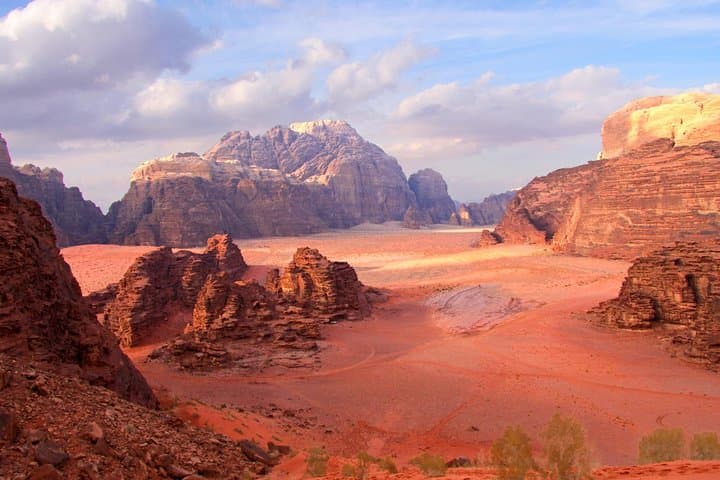
You step out of Queen Alia Airport into warm air scented with cardamom and diesel, and the itinerary unfolds like a map of landscapes: limestone hills above Amman, the salt-flat silence of the Dead Sea basin, the rose-red cliffs of Petra, and the wind-sculpted canyons of Wadi Rum.
Verified experiences and guided adventures in the surrounding area.
Operated by Jordan Horizons Tours - private & custom Jordan Tours & Trips · Amman, Amman Governorate
You step out of Queen Alia Airport into warm air scented with cardamom and diesel, and the itinerary unfolds like a map of landscapes: limestone hills above Amman, the salt-flat silence of the Dead Sea basin, the rose-red cliffs of Petra, and the wind-sculpted canyons of Wadi Rum.
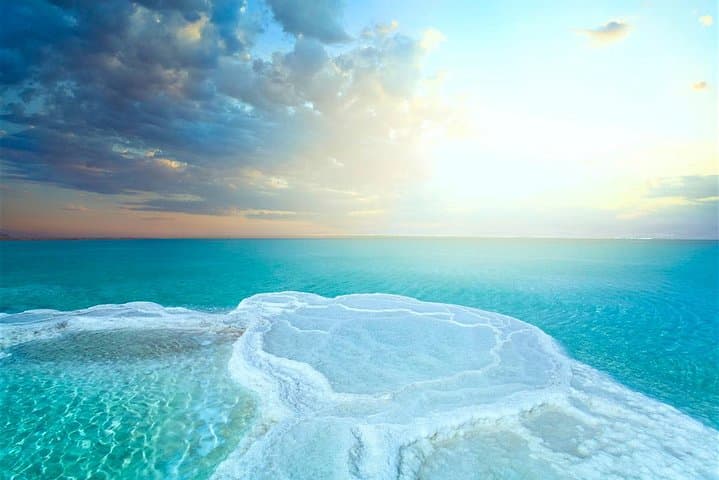
Jordan’s human story is written in stone — Roman colonnades at Jerash, Crusader masonry at Ajloun and Kerak, Byzantine mosaics in Madaba and Nabataean engineering in Petra’s facades. Geologically, the route traces ancient seas and tectonic lifts: the Dead Sea rift drops 422 meters below sea level while sandstone layers in Petra and Wadi Rum show wind-abraded strata and iron-tinged hues.
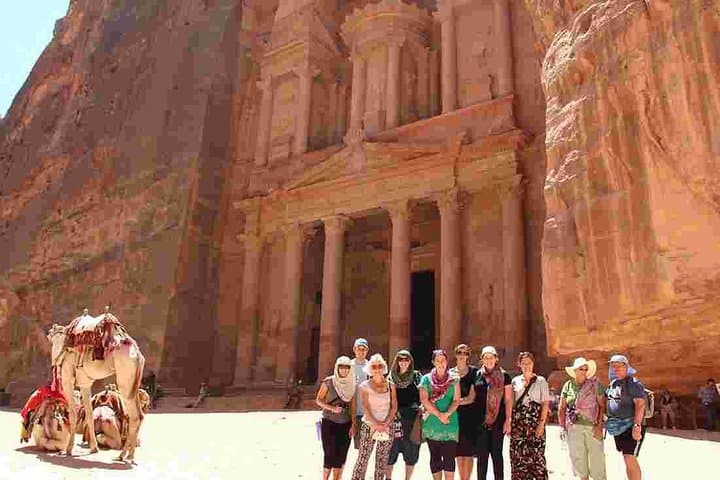
Culturally, expect warm hospitality: Bedouin hospitality in desert camps, markets in Amman, and churches with sixth-century mosaics in Madaba. Wadi Rum’s open sky dares you to slow down; Petra asks you to move — through the Siq to the Treasury, and up to the Monastery for payoff views.
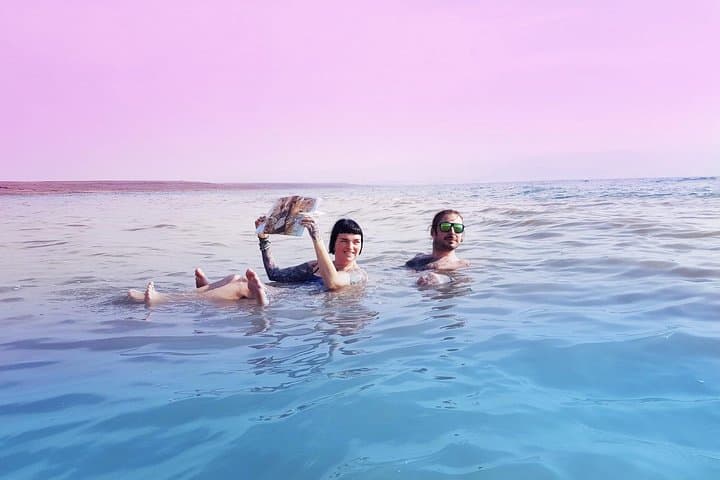
Practical guidance: pace the trip to allow full days at Petra and Jerash, bring sturdy walking shoes and layered clothing for big diurnal temperature swings, and carry sunscreen and at least 2–3 liters of water per day in summer. Floating in the Dead Sea is effortless but keep fresh water on hand to rinse salt from face and cuts. Desert camps provide simple bedding and communal facilities; if you prefer comfort, arrange upgraded lodging ahead of time. Travel times between sites can be several hours — use them to rest and take in the landscape.
moderate.
7–8 days.
Suitable for travelers in good general health who can walk several hours over uneven terrain; some steep steps (Petra Monastery) require moderate stamina.
Yes—this private tour is described as suitable for all fitness levels; however, Petra involves extensive walking and some steep climbs that may be strenuous for very young children or those with limited mobility.
You can float easily due to the high salinity; avoid submerging your head, and rinse thoroughly with fresh water afterward to remove salt and mud.
Camps are typically basic with mattresses, blankets and toilets; some options offer private tenting or upgraded facilities—request upgrades in advance if desired.
The itinerary lists entrance fees to included sites such as Petra, Jerash and the Dead Sea beach resort among the tour inclusions, but verify specifics at booking time.
The route spans millennia: from Roman Jerash’s colonnades to Nabataean Petra and Crusader castles like Kerak and Ajloun that controlled medieval trade routes.
Water scarcity and tourism pressure threaten fragile sites; stick to marked paths in Petra and respect Bedouin camp rules to reduce wear and support local communities.
Jordan Horizons Tours - private & custom Jordan Tours & Trips operates guided outdoor trips and adventures with an emphasis on safety, stewardship, and memorable experiences.
You step out of Queen Alia Airport into warm air scented with cardamom and diesel, and the itinerary unfolds like a map of landscapes: limestone hills above Amman, the salt-flat silence of the Dead Sea basin, the rose-red cliffs of Petra, and the wind-sculpted canyons of Wadi Rum.
You step out of Queen Alia Airport into warm air scented with cardamom and diesel, and the itinerary unfolds like a map of landscapes: limestone hills above Amman, the salt-flat silence of the Dead Sea basin, the rose-red cliffs of Petra, and the wind-sculpted canyons of Wadi Rum.
Jordan’s human story is written in stone — Roman colonnades at Jerash, Crusader masonry at Ajloun and Kerak, Byzantine mosaics in Madaba and Nabataean engineering in Petra’s facades. Geologically, the route traces ancient seas and tectonic lifts: the Dead Sea rift drops 422 meters below sea level while sandstone layers in Petra and Wadi Rum show wind-abraded strata and iron-tinged hues.
Culturally, expect warm hospitality: Bedouin hospitality in desert camps, markets in Amman, and churches with sixth-century mosaics in Madaba. Wadi Rum’s open sky dares you to slow down; Petra asks you to move — through the Siq to the Treasury, and up to the Monastery for payoff views.
Practical guidance: pace the trip to allow full days at Petra and Jerash, bring sturdy walking shoes and layered clothing for big diurnal temperature swings, and carry sunscreen and at least 2–3 liters of water per day in summer. Floating in the Dead Sea is effortless but keep fresh water on hand to rinse salt from face and cuts. Desert camps provide simple bedding and communal facilities; if you prefer comfort, arrange upgraded lodging ahead of time. Travel times between sites can be several hours — use them to rest and take in the landscape.