THE ADVENTURE COLLECTIVE® · Independent discovery and booking for outdoor travel

Walk the Jordaan with a local guide in German and uncover courtyard gardens, Westerkerk, and the Anne Frank House (outside) on a 90-minute small-group route. Perfect for visitors who want history, architecture, and insider tips in compact time.
Walk the Jordaan with a local guide in German and uncover courtyard gardens, Westerkerk, and the Anne Frank House (outside) on a 90-minute small-group route. Perfect for visitors who want history, architecture, and insider tips in compact time.
You step out beneath the Westerkerk tower and the canal air seems to pull at your coat, the Prinsengracht braiding through the neighborhood and daring you to slow your pace. For 90 minutes a guide in a red name tag leads a small group through narrow lanes, courtyard gates and the façades that made the Jordaan one of Amsterdam’s most photographed quarters.
Verified experiences and guided adventures in the surrounding area.
Operated by Amsterdamliebe · Amsterdam, North Holland
You step out beneath the Westerkerk tower and the canal air seems to pull at your coat, the Prinsengracht braiding through the neighborhood and daring you to slow your pace. For 90 minutes a guide in a red name tag leads a small group through narrow lanes, courtyard gates and the façades that made the Jordaan one of Amsterdam’s most photographed quarters.
The Jordaan began as a 17th-century working-class district built along reclaimed land and small canals. Its narrow canal houses and inner courtyards reflect mercantile wealth and cramped living conditions of centuries past; breweries and artisan shops shaped local life and left architectural traces you still see today. The tour pauses by Westerkerk and the Anne Frank House (exterior), connecting the built environment to personal histories of wartime Amsterdam.
Culturally the Jordaan is equal parts neighborhood and gallery: hidden courtyards, tiny churches like Noorderkerk, and legacy pubs where brewers once unloaded barrels. Guides point out how street patterns follow old dikes and explain why rooflines tilt the way they do — practical answers rooted in the city’s geology and water management.
Practical guidance: wear supportive walking shoes and bring a light rain layer; the route is mostly flat, paved streets with some narrow, uneven cobbles. The tour is suitable for most fitness levels and runs year-round, though mornings and late afternoons offer softer light for photos. Expect small-group pacing, stops at 8–10 points of interest, and local tips for coffee, apple pie and quieter courtyards to explore afterward.
easy.
1.5 hours.
Suitable for most visitors who can stand and walk on flat, cobbled streets for 90 minutes
No — the tour views the Anne Frank House from the outside and provides historical context; separate timed-entry tickets are required for the museum interior.
This listing is for the German-language tour; operators often run English versions too but check the product page for language options and schedules.
Yes—paths are generally flat and suitable for prams, though some courtyards have narrow access points; contact the operator if you have mobility concerns.
Groups are capped at about 15 people to keep the experience intimate and ensure the guide can manage stops in small courtyards.
The Jordaan originated in the 17th century as housing for laborers and artisans; over time its canal-front warehouses and small workshops evolved into today’s cafés, galleries and private courtyards.
Respect private courtyards and reduce noise; staying on permitted public paths and keeping group sizes small helps preserve these delicate residential spaces.
Amsterdamliebe operates guided outdoor trips and adventures with an emphasis on safety, stewardship, and memorable experiences.
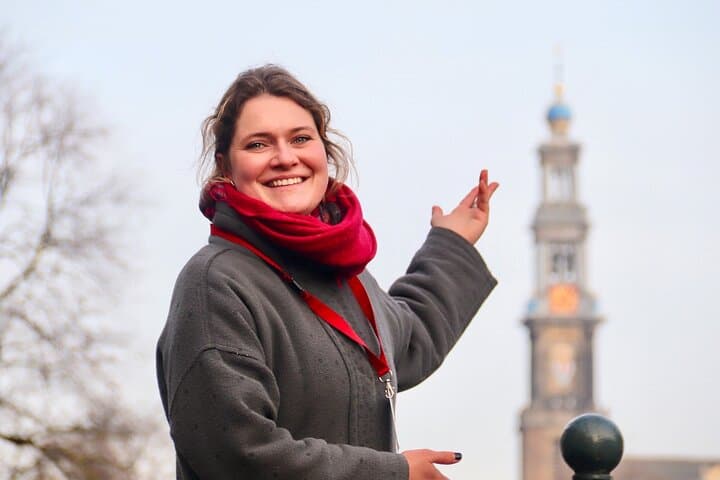
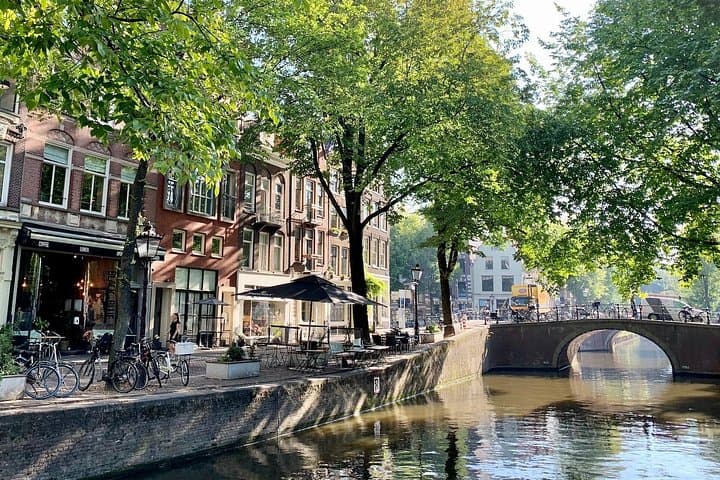
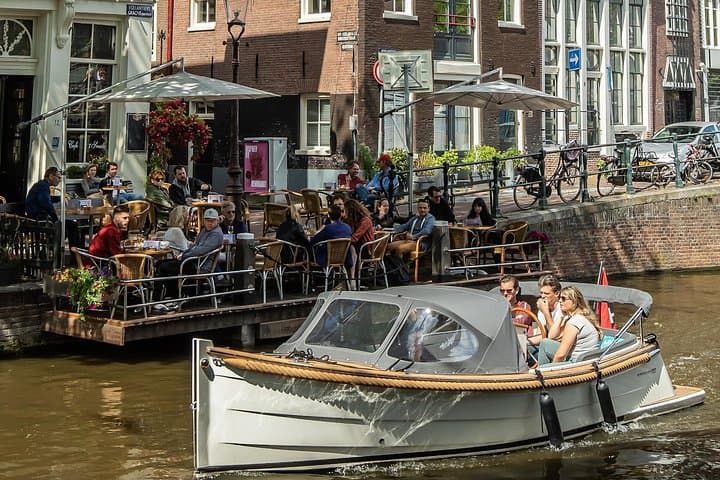
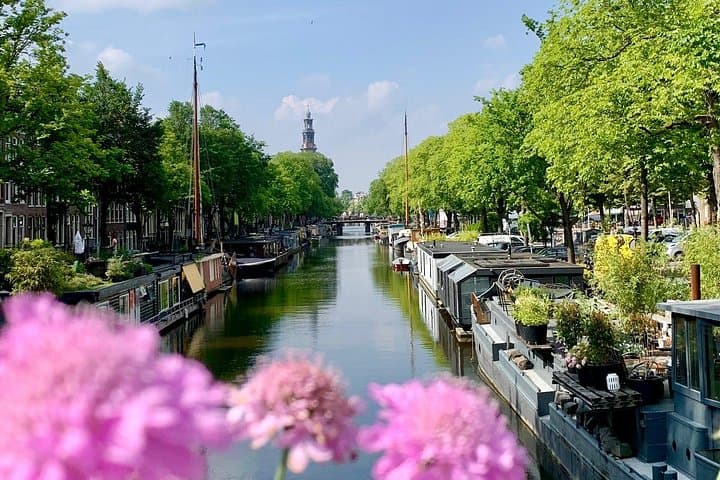
You step out beneath the Westerkerk tower and the canal air seems to pull at your coat, the Prinsengracht braiding through the neighborhood and daring you to slow your pace. For 90 minutes a guide in a red name tag leads a small group through narrow lanes, courtyard gates and the façades that made the Jordaan one of Amsterdam’s most photographed quarters.
You step out beneath the Westerkerk tower and the canal air seems to pull at your coat, the Prinsengracht braiding through the neighborhood and daring you to slow your pace. For 90 minutes a guide in a red name tag leads a small group through narrow lanes, courtyard gates and the façades that made the Jordaan one of Amsterdam’s most photographed quarters.
The Jordaan began as a 17th-century working-class district built along reclaimed land and small canals. Its narrow canal houses and inner courtyards reflect mercantile wealth and cramped living conditions of centuries past; breweries and artisan shops shaped local life and left architectural traces you still see today. The tour pauses by Westerkerk and the Anne Frank House (exterior), connecting the built environment to personal histories of wartime Amsterdam.
Culturally the Jordaan is equal parts neighborhood and gallery: hidden courtyards, tiny churches like Noorderkerk, and legacy pubs where brewers once unloaded barrels. Guides point out how street patterns follow old dikes and explain why rooflines tilt the way they do — practical answers rooted in the city’s geology and water management.
Practical guidance: wear supportive walking shoes and bring a light rain layer; the route is mostly flat, paved streets with some narrow, uneven cobbles. The tour is suitable for most fitness levels and runs year-round, though mornings and late afternoons offer softer light for photos. Expect small-group pacing, stops at 8–10 points of interest, and local tips for coffee, apple pie and quieter courtyards to explore afterward.