THE ADVENTURE COLLECTIVE® · Independent discovery and booking for outdoor travel

Short flights, high desert winds and a pilgrim’s destination: this 3-night, 4-day Jomsom–Muktinath trek compresses classic Annapurna scenery, deep gorges and living pilgrimage into a compact adventure. Read on for what to expect and how to prepare.
Short flights, high desert winds and a pilgrim’s destination: this 3-night, 4-day Jomsom–Muktinath trek compresses classic Annapurna scenery, deep gorges and living pilgrimage into a compact adventure. Read on for what to expect and how to prepare.
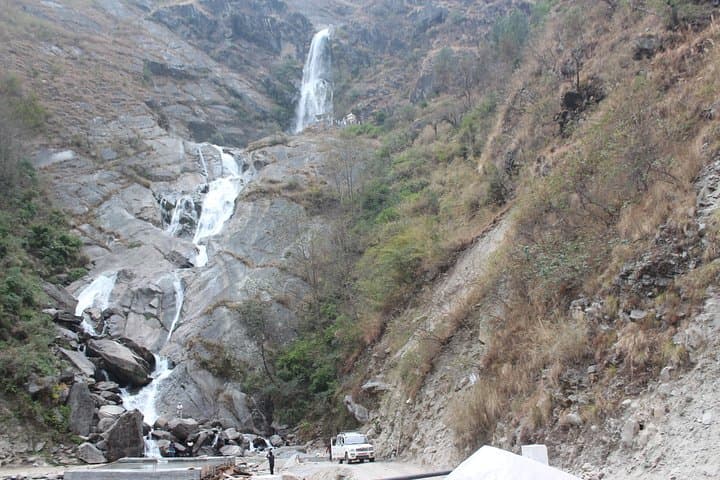
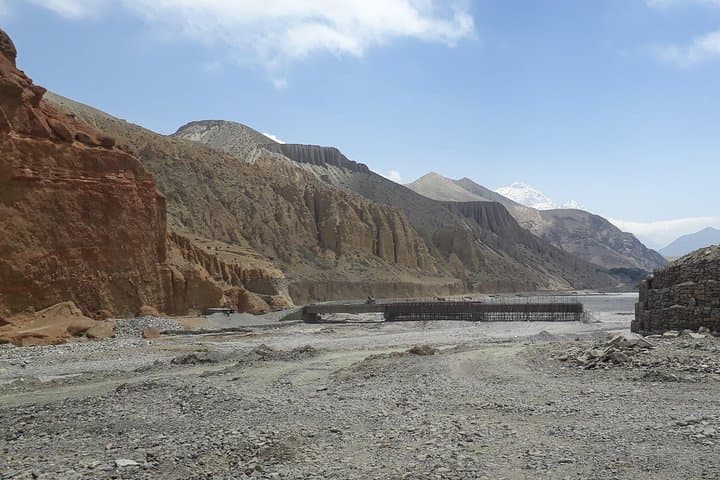
You step off a 20-minute flight from Pokhara into a wind-swept bowl of stone and blue sky—Jomsom’s runway opens onto a high desert where prayer flags snap like small sails. The trail ahead drops and climbs along the Kali Gandaki valley, the river daring you to look down toward one of the world’s deepest gorges while Dhaulagiri and Annapurna keep watch on either side.
Verified experiences and guided adventures in the surrounding area.
Operated by Swissa Adventure Travel & Treks · Jomsom, Gandaki Province
You step off a 20-minute flight from Pokhara into a wind-swept bowl of stone and blue sky—Jomsom’s runway opens onto a high desert where prayer flags snap like small sails. The trail ahead drops and climbs along the Kali Gandaki valley, the river daring you to look down toward one of the world’s deepest gorges while Dhaulagiri and Annapurna keep watch on either side.
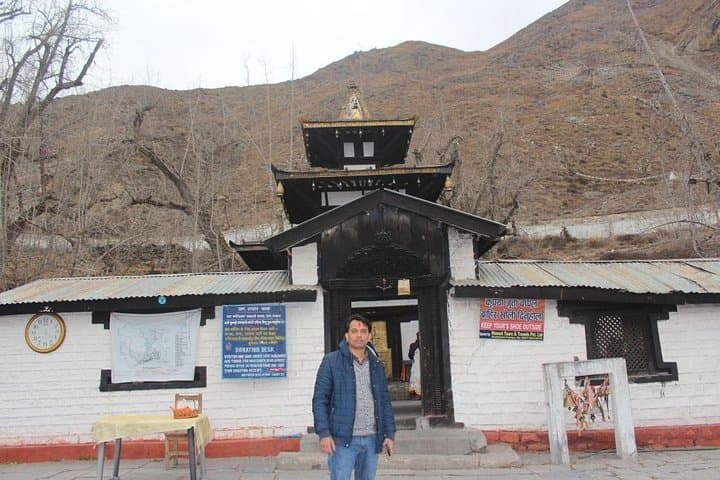
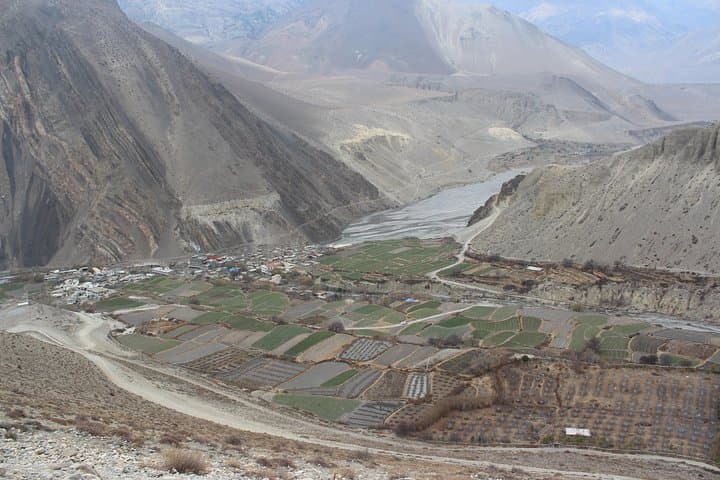
This route follows ancient trans-Himalayan trade roads used by salt caravans and Tibetan pilgrims. Geologically the valley is a study in contrasts: glacially carved peaks, high terraces of alluvial soil, and wind-polished moraine. The cultural heartbeat is Muktinath, a pilgrimage town at ~3,710 m where Hindu and Buddhist practices converge around a temple and natural springs. Kagbeni, midway, preserves traditional stone houses and narrow alleys that feel unchanged for centuries.
Practically, the itinerary compresses high-altitude exposure into short walking days—expect 3–6 hours of hiking on uneven, rocky trails with short steep pitches and frequent wind. Permits (ACAP/TIMS) are required and usually arranged by operators. Morning flights are weather-dependent; allow buffer time for delays.
Bring layered clothing for big diurnal swings, a well-broken-in pair of boots, and a light sleeping layer for lodge nights. Hydrate and move steadily to reduce altitude strain; the route rewards measured pace with wide mountain views and a rare mix of pilgrimage culture and raw Himalayan geology. If you want a condensed Himalayan experience with big vistas and tangible cultural stops, this short flight-trek delivers.
moderate.
3–4 days.
Comfortable with sustained uphill and downhill walking for several hours; prior day-hiking experience recommended
Yes—ACAP and TIMS permits are required in the Annapurna/Jomsom area; most operators arrange them but carry copies and ID.
The flight is about 15–20 minutes; it’s scenic but frequently impacted by morning winds and weather delays.
No technical gear is required, but warm layers, a good sleeping bag in cold seasons and attention to acclimatization are essential.
It’s feasible year-round, but fall and spring offer the best visibility; monsoon reduces trail comfort and winter brings cold and occasional snow.
This corridor was a major salt-trade route linking Tibetan plateaus and Nepalese lowlands; settlements like Kagbeni retain Tibetan-influenced architecture and customs.
The Annapurna Conservation Area (ACAP) manages permits and local conservation; practice leave-no-trace, avoid single-use plastics and support local lodges to benefit communities.
Swissa Adventure Travel & Treks operates guided outdoor trips and adventures with an emphasis on safety, stewardship, and memorable experiences.
You step off a 20-minute flight from Pokhara into a wind-swept bowl of stone and blue sky—Jomsom’s runway opens onto a high desert where prayer flags snap like small sails. The trail ahead drops and climbs along the Kali Gandaki valley, the river daring you to look down toward one of the world’s deepest gorges while Dhaulagiri and Annapurna keep watch on either side.
You step off a 20-minute flight from Pokhara into a wind-swept bowl of stone and blue sky—Jomsom’s runway opens onto a high desert where prayer flags snap like small sails. The trail ahead drops and climbs along the Kali Gandaki valley, the river daring you to look down toward one of the world’s deepest gorges while Dhaulagiri and Annapurna keep watch on either side.
This route follows ancient trans-Himalayan trade roads used by salt caravans and Tibetan pilgrims. Geologically the valley is a study in contrasts: glacially carved peaks, high terraces of alluvial soil, and wind-polished moraine. The cultural heartbeat is Muktinath, a pilgrimage town at ~3,710 m where Hindu and Buddhist practices converge around a temple and natural springs. Kagbeni, midway, preserves traditional stone houses and narrow alleys that feel unchanged for centuries.
Practically, the itinerary compresses high-altitude exposure into short walking days—expect 3–6 hours of hiking on uneven, rocky trails with short steep pitches and frequent wind. Permits (ACAP/TIMS) are required and usually arranged by operators. Morning flights are weather-dependent; allow buffer time for delays.
Bring layered clothing for big diurnal swings, a well-broken-in pair of boots, and a light sleeping layer for lodge nights. Hydrate and move steadily to reduce altitude strain; the route rewards measured pace with wide mountain views and a rare mix of pilgrimage culture and raw Himalayan geology. If you want a condensed Himalayan experience with big vistas and tangible cultural stops, this short flight-trek delivers.