THE ADVENTURE COLLECTIVE® · Independent discovery and booking for outdoor travel

Descend into Jomblang’s vertical shaft to stand beneath the famous ‘heavenly light.’ This guided, small-group caving experience blends steep abseils with karst geology and midday photography windows — ideal for fit travelers seeking an immersive Yogyakarta adventure.
Descend into Jomblang’s vertical shaft to stand beneath the famous ‘heavenly light.’ This guided, small-group caving experience blends steep abseils with karst geology and midday photography windows — ideal for fit travelers seeking an immersive Yogyakarta adventure.
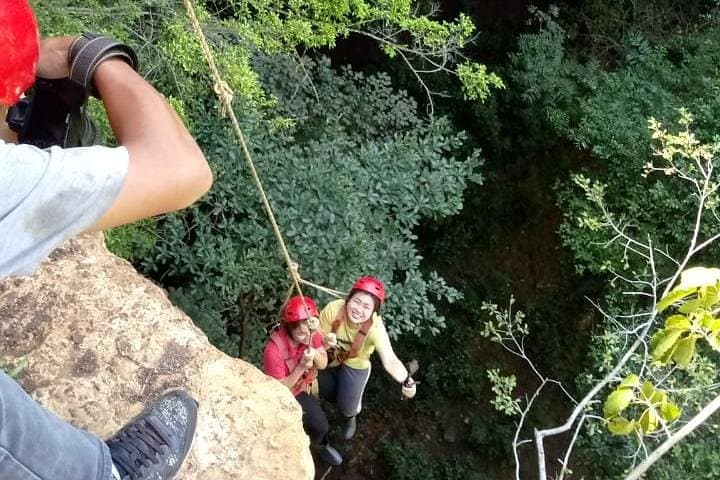
You lower into a cylindrical shaft and the forest opens above like a frayed curtain — a column of sunlight cuts through humid air and dust, painting the cave floor in a single bright stripe. That’s the “heavenly light” at Jomblang Cave, a vertical limestone sink formed where roof collapse exposes an inner chamber. The initial rappel is immediate and deliberate; the cave’s silence is punctuated by the scrape of rope and distant bat calls.
Verified experiences and guided adventures in the surrounding area.
Operated by Javabaliheritage · Yogyakarta, Special Region of Yogyakarta
You lower into a cylindrical shaft and the forest opens above like a frayed curtain — a column of sunlight cuts through humid air and dust, painting the cave floor in a single bright stripe. That’s the “heavenly light” at Jomblang Cave, a vertical limestone sink formed where roof collapse exposes an inner chamber. The initial rappel is immediate and deliberate; the cave’s silence is punctuated by the scrape of rope and distant bat calls.
Geology here is karst in action: porous limestone, solution caves and collapsed dolines that collect water and channel underground streams. Jomblang sits in Gunung Kidul’s larger karst landscape, an area of cultural ties to Yogyakarta’s rural villages and long histories of cave use for shelter and ritual. Local guides interpret both the cave’s formation and the practical rhythms of descent.
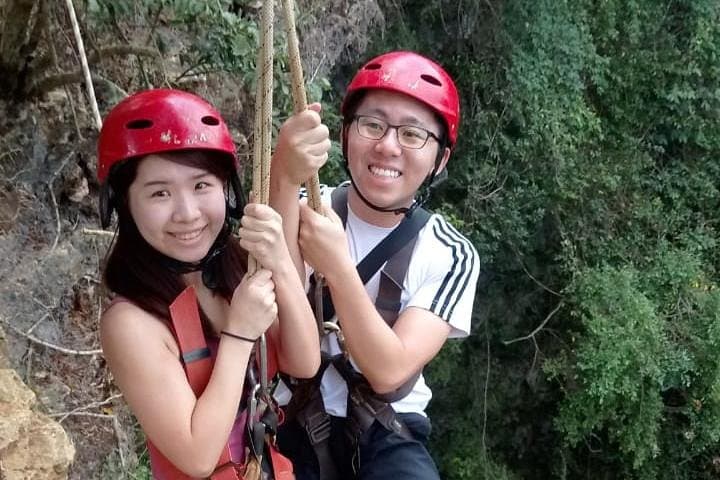
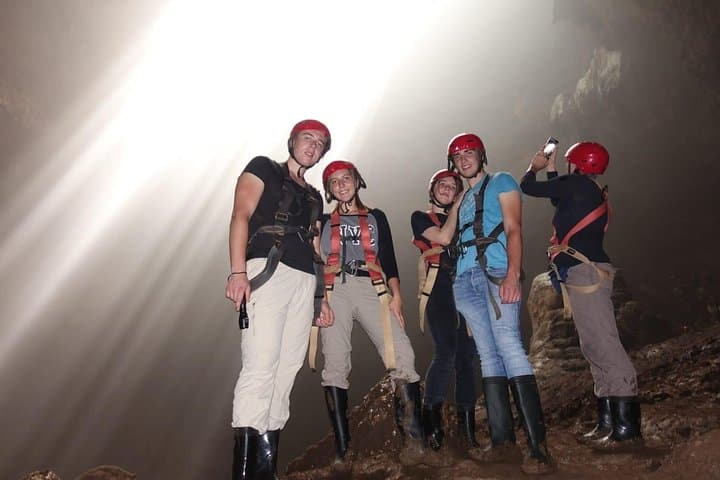
Expect steep vertical pitches, laddered platforms, and a short walk between features; the typical licensed tour includes guide-assisted abseil, safety kit, and a chance to walk the cave floor beneath the light shaft. The best photo window is around midday when the sun hangs high; water levels and visibility change with the rainy season, so timing matters.
Practical guidance: wear closed, treaded shoes and long sleeves, bring gloves and a small dry bag for camera gear, and be honest about spinal or heart conditions — organizers restrict participants accordingly. Hydrate before you go and plan for a full-day outing from Yogyakarta, including transport on rural roads. Small-group bookings are standard to limit impact and keep the descent controlled.
challenging.
8–12 hours.
Good to excellent cardiovascular fitness and mobility; must be comfortable with heights and steep descents.
The guided cave section is commonly 2–3 hours, but most tours run a full-day (including transport and briefings) so allow 6–12 hours total.
No technical certification is needed; guides handle rigging and brief participants on rope techniques, but you should be comfortable with heights and following instructions.
Yes — operators typically advise against participation for pregnant travelers, those with serious heart conditions, or spinal injuries; age minimums and fitness requirements vary by provider.
Yes — small cameras and smartphones are fine if secured in a dry bag; tripods are usually impractical in confined areas and flash may affect other visitors' experience.
Jomblang is part of a larger Gunung Kidul karst plateau historically used by local communities; caves here were formed over millennia as limestone dissolved under rainfall.
The karst environment is fragile—stay on designated paths, avoid leaving trash or sunscreen residue in water, and respect group-size limits set by guides.
Javabaliheritage operates guided outdoor trips and adventures with an emphasis on safety, stewardship, and memorable experiences.
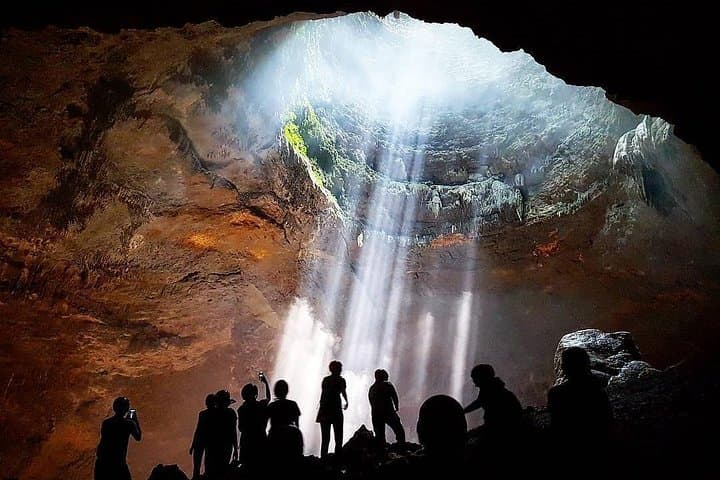
You lower into a cylindrical shaft and the forest opens above like a frayed curtain — a column of sunlight cuts through humid air and dust, painting the cave floor in a single bright stripe. That’s the “heavenly light” at Jomblang Cave, a vertical limestone sink formed where roof collapse exposes an inner chamber. The initial rappel is immediate and deliberate; the cave’s silence is punctuated by the scrape of rope and distant bat calls.
You lower into a cylindrical shaft and the forest opens above like a frayed curtain — a column of sunlight cuts through humid air and dust, painting the cave floor in a single bright stripe. That’s the “heavenly light” at Jomblang Cave, a vertical limestone sink formed where roof collapse exposes an inner chamber. The initial rappel is immediate and deliberate; the cave’s silence is punctuated by the scrape of rope and distant bat calls.
Geology here is karst in action: porous limestone, solution caves and collapsed dolines that collect water and channel underground streams. Jomblang sits in Gunung Kidul’s larger karst landscape, an area of cultural ties to Yogyakarta’s rural villages and long histories of cave use for shelter and ritual. Local guides interpret both the cave’s formation and the practical rhythms of descent.
Expect steep vertical pitches, laddered platforms, and a short walk between features; the typical licensed tour includes guide-assisted abseil, safety kit, and a chance to walk the cave floor beneath the light shaft. The best photo window is around midday when the sun hangs high; water levels and visibility change with the rainy season, so timing matters.
Practical guidance: wear closed, treaded shoes and long sleeves, bring gloves and a small dry bag for camera gear, and be honest about spinal or heart conditions — organizers restrict participants accordingly. Hydrate before you go and plan for a full-day outing from Yogyakarta, including transport on rural roads. Small-group bookings are standard to limit impact and keep the descent controlled.