THE ADVENTURE COLLECTIVE® · Independent discovery and booking for outdoor travel

Descend 60 meters into one of Java’s most dramatic pit caves on a full-day trip from Yogyakarta. This guided tour combines a technical rappel, an internal cave walk to the famed "heavenly light," and transportation with an English-speaking driver.
Descend 60 meters into one of Java’s most dramatic pit caves on a full-day trip from Yogyakarta. This guided tour combines a technical rappel, an internal cave walk to the famed "heavenly light," and transportation with an English-speaking driver.
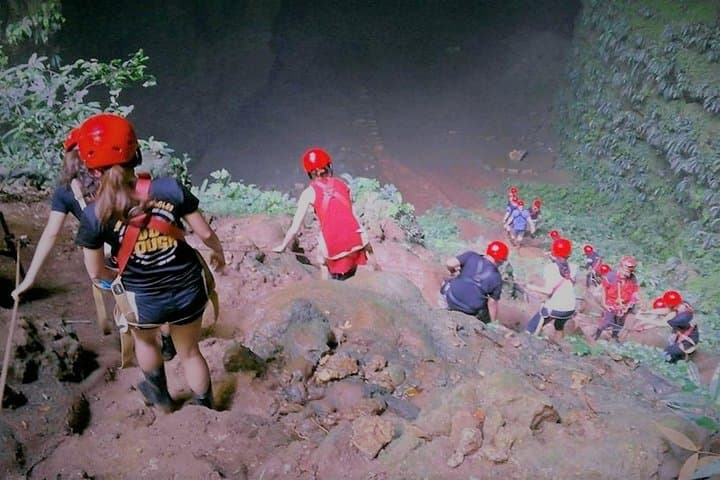
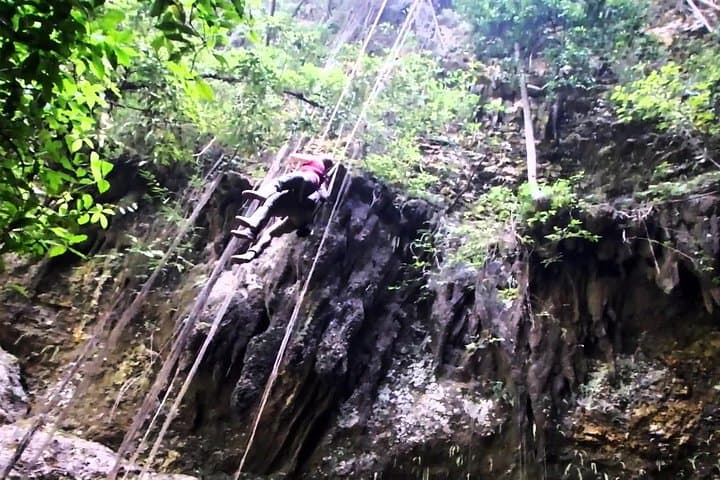
The morning air on the limestone plateau tastes of dust and green fields as the minivan climbs out of Yogyakarta toward Gunung Kidul. At the sinkhole rim, wind squeezes through the trees and the opening ahead yawns—an abrupt vertical throat cutting into the earth. Guides fit helmets and boots, ropes humming softly as they prepare each harness. One by one visitors descend 60 meters into a dim chamber where a shaft of sunlight slices through, illuminating stalactites and a carpet of ancient leaves.
Verified experiences and guided adventures in the surrounding area.
Operated by JogjaTravels & Group · Yogyakarta, Special Region of Yogyakarta
The morning air on the limestone plateau tastes of dust and green fields as the minivan climbs out of Yogyakarta toward Gunung Kidul. At the sinkhole rim, wind squeezes through the trees and the opening ahead yawns—an abrupt vertical throat cutting into the earth. Guides fit helmets and boots, ropes humming softly as they prepare each harness. One by one visitors descend 60 meters into a dim chamber where a shaft of sunlight slices through, illuminating stalactites and a carpet of ancient leaves.
Geologically, Jomblang is a collapsed doline formed by karst processes; water over millennia dissolved the limestone, leaving caverns and vertical pits common to Gunung Kidul. Culturally, the cave sits in a landscape of farming villages and Javanese rituals tied to the land; local guides share stories of past explorations and the cave’s role in community tourism. The light well—locally called the "heavenly light"—is the iconic photo moment, when the cave seems to breathe and the shaft fills with dust motes.
Practically, expect a full day: early pickup in Yogyakarta, registration, safety briefings, the controlled single-file rappel, an internal walk to the light well, and hauling back up by rope. Wear sturdy, closed-toe shoes, bring a waterproof layer if rain is forecast, and carry a small dry bag for electronics. The descent is physically demanding and not suitable for those with back, heart, or pregnancy restrictions; local crews operate the rigging but participants must be comfortable with heights.
Plan for changing temperatures underground, modest facilities at the site, and time to rinse off afterward. With proper preparation this is a vivid, hands-on cavern experience—part natural history lesson, part adrenaline moment.
challenging.
8–12 hours.
Requires high cardiovascular fitness and good mobility; participants should be comfortable with steep descents and climbing out on a rope system.
The rappel drops roughly 60 meters into the pit; the vertical descent and re-ascent are managed by local guides using harnesses and ropes.
Not recommended for young children, pregnant travelers, or those with serious back or heart conditions due to the vertical rappel and physical demands.
Yes—there’s a famous light shaft for photos, but bring a protected camera and be prepared for low-light conditions; tripods are generally not used during the descent.
High fitness is recommended: you should be able to hike uneven ground, descend and ascend with a harness, and follow safety instructions for several hours.
Jomblang formed through karst dissolution and collapse; the site has become a managed tourist cave over recent decades, with local crews specializing in vertical access.
Tour operators limit group sizes and require helmets and boots to reduce erosion and contamination; avoid leaving litter and follow guide instructions to protect fragile cave formations.
JogjaTravels & Group operates guided outdoor trips and adventures with an emphasis on safety, stewardship, and memorable experiences.
The morning air on the limestone plateau tastes of dust and green fields as the minivan climbs out of Yogyakarta toward Gunung Kidul. At the sinkhole rim, wind squeezes through the trees and the opening ahead yawns—an abrupt vertical throat cutting into the earth. Guides fit helmets and boots, ropes humming softly as they prepare each harness. One by one visitors descend 60 meters into a dim chamber where a shaft of sunlight slices through, illuminating stalactites and a carpet of ancient leaves.
The morning air on the limestone plateau tastes of dust and green fields as the minivan climbs out of Yogyakarta toward Gunung Kidul. At the sinkhole rim, wind squeezes through the trees and the opening ahead yawns—an abrupt vertical throat cutting into the earth. Guides fit helmets and boots, ropes humming softly as they prepare each harness. One by one visitors descend 60 meters into a dim chamber where a shaft of sunlight slices through, illuminating stalactites and a carpet of ancient leaves.
Geologically, Jomblang is a collapsed doline formed by karst processes; water over millennia dissolved the limestone, leaving caverns and vertical pits common to Gunung Kidul. Culturally, the cave sits in a landscape of farming villages and Javanese rituals tied to the land; local guides share stories of past explorations and the cave’s role in community tourism. The light well—locally called the "heavenly light"—is the iconic photo moment, when the cave seems to breathe and the shaft fills with dust motes.
Practically, expect a full day: early pickup in Yogyakarta, registration, safety briefings, the controlled single-file rappel, an internal walk to the light well, and hauling back up by rope. Wear sturdy, closed-toe shoes, bring a waterproof layer if rain is forecast, and carry a small dry bag for electronics. The descent is physically demanding and not suitable for those with back, heart, or pregnancy restrictions; local crews operate the rigging but participants must be comfortable with heights.
Plan for changing temperatures underground, modest facilities at the site, and time to rinse off afterward. With proper preparation this is a vivid, hands-on cavern experience—part natural history lesson, part adrenaline moment.