THE ADVENTURE COLLECTIVE® · Independent discovery and booking for outdoor travel

Set sail from Jolly Harbour for a half-day catamaran snorkel at Cades Reef. Expect two guided swims over shallow coral gardens, an island-style lunch, and knowledgeable crew focused on safety and reef stewardship.
Set sail from Jolly Harbour for a half-day catamaran snorkel at Cades Reef. Expect two guided swims over shallow coral gardens, an island-style lunch, and knowledgeable crew focused on safety and reef stewardship.
The catamaran slips from Jolly Harbour and the west coast opens like a page of heat and light—lime cliffs, low scrub and the white teeth of beaches. A steady trade wind lifts the sails and the crew calls a quick safety briefing; the ocean here feels friendly but purposeful, nudging the boat toward Cades Reef where coral ridges rise just below the surface.
Verified experiences and guided adventures in the surrounding area.
The catamaran slips from Jolly Harbour and the west coast opens like a page of heat and light—lime cliffs, low scrub and the white teeth of beaches. A steady trade wind lifts the sails and the crew calls a quick safety briefing; the ocean here feels friendly but purposeful, nudging the boat toward Cades Reef where coral ridges rise just below the surface.
Antigua’s reefs are remnants of ancient coral growth shaped by Caribbean currents and centuries of sailors mapping safe passages. The island’s maritime culture mixes West African and British influences, and today small-scale charter operators are the living link between that history and the sea. Cades Reef is a protected, shallow fringing reef known for parrotfish, wrasse and the occasional green sea turtle.
On this small-group cruise expect two guided snorkel stops over calm, reef-protected water, crew-assisted entries and exits, and a concise ecology briefing that emphasizes no-touch snorkeling. Between swims you’ll nap on trampoline nets, sip a light island-style lunch, and listen to calypso that keeps time with the waves.
Practicalities matter: swims are in waist- to chest-deep reef zones so basic snorkel comfort is essential. Wear reef-safe sunscreen, bring a snug mask and a water shoe for rocky shore entries. Motions can be gentle but bring a remedy if you’re prone to seasickness. Morning departures catch the clearest water and cooler winds; afternoons are warmer but busier.
For visitors staying in St. John’s or at nearby resorts, this charter is an accessible half-day marine primer—part wildlife watch, part snorkeling clinic, and wholly an efficient way to experience Antigua’s underwater life.
easy.
3–4 hours.
Light cardiovascular fitness and basic swimming comfort recommended; not technically demanding
The excursion is approximately 4 hours and typically includes guided snorkel stops, snorkel gear, a light island-style lunch, and bottled water; check operator details for exact inclusions.
No—beginners are welcome; crew provide a briefing and flotation support, but basic comfort breathing through a snorkel and swimming unaided is expected.
Children are usually welcome if they can swim; operators often set age limits or require parental supervision—confirm when booking.
Operators monitor conditions; in rough weather trips may be rescheduled or refunded according to their policy—ask about free cancellation windows when you book.
Antigua’s west coast has long been a maritime corridor; modern marinas like Jolly Harbour grew from old anchorages and now support tourism and local fishing communities.
The area relies on reef conservation—use reef-safe sunscreen, avoid touching coral, and support operators that follow no-take and reef-protection practices.
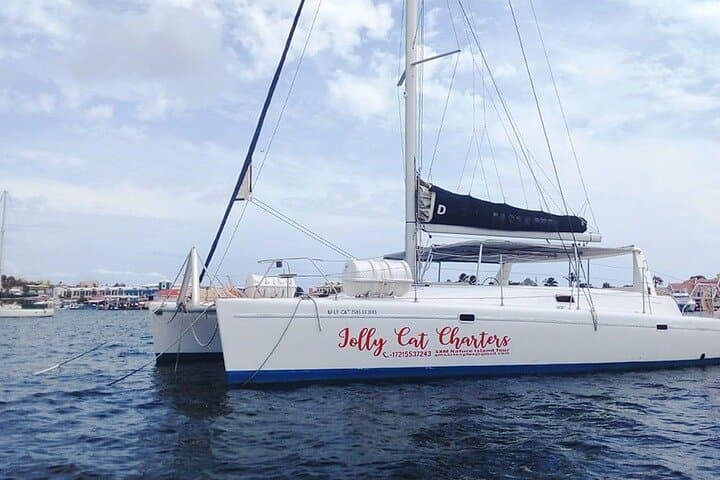
The catamaran slips from Jolly Harbour and the west coast opens like a page of heat and light—lime cliffs, low scrub and the white teeth of beaches. A steady trade wind lifts the sails and the crew calls a quick safety briefing; the ocean here feels friendly but purposeful, nudging the boat toward Cades Reef where coral ridges rise just below the surface.
The catamaran slips from Jolly Harbour and the west coast opens like a page of heat and light—lime cliffs, low scrub and the white teeth of beaches. A steady trade wind lifts the sails and the crew calls a quick safety briefing; the ocean here feels friendly but purposeful, nudging the boat toward Cades Reef where coral ridges rise just below the surface.
Antigua’s reefs are remnants of ancient coral growth shaped by Caribbean currents and centuries of sailors mapping safe passages. The island’s maritime culture mixes West African and British influences, and today small-scale charter operators are the living link between that history and the sea. Cades Reef is a protected, shallow fringing reef known for parrotfish, wrasse and the occasional green sea turtle.
On this small-group cruise expect two guided snorkel stops over calm, reef-protected water, crew-assisted entries and exits, and a concise ecology briefing that emphasizes no-touch snorkeling. Between swims you’ll nap on trampoline nets, sip a light island-style lunch, and listen to calypso that keeps time with the waves.
Practicalities matter: swims are in waist- to chest-deep reef zones so basic snorkel comfort is essential. Wear reef-safe sunscreen, bring a snug mask and a water shoe for rocky shore entries. Motions can be gentle but bring a remedy if you’re prone to seasickness. Morning departures catch the clearest water and cooler winds; afternoons are warmer but busier.
For visitors staying in St. John’s or at nearby resorts, this charter is an accessible half-day marine primer—part wildlife watch, part snorkeling clinic, and wholly an efficient way to experience Antigua’s underwater life.