THE ADVENTURE COLLECTIVE® · Independent discovery and booking for outdoor travel

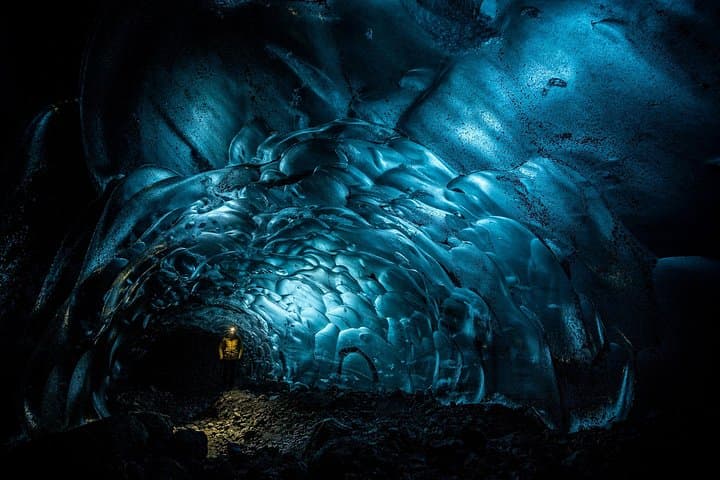
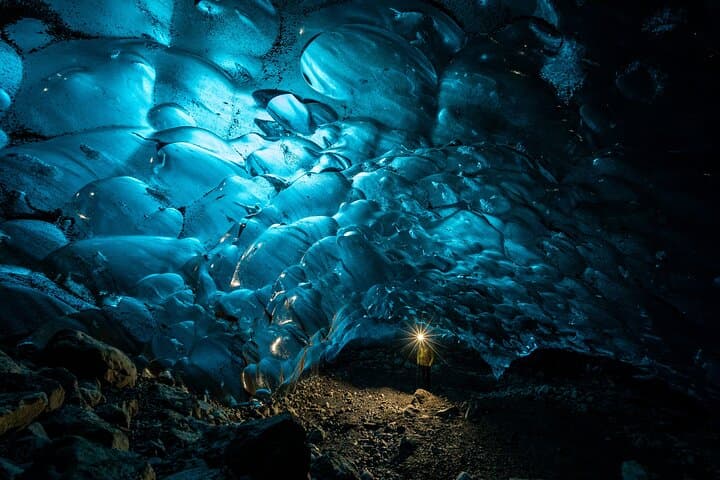
Go beyond the lagoon and into a 200‑meter blue ice cave on a guided glacier hike from Jökulsárlón. This 6‑hour excursion pairs a 4x4 approach with 3–3.5 hours of guided glacier travel—ideal for photographers and experienced walkers who want quieter ice formations.
Go beyond the lagoon and into a 200‑meter blue ice cave on a guided glacier hike from Jökulsárlón. This 6‑hour excursion pairs a 4x4 approach with 3–3.5 hours of guided glacier travel—ideal for photographers and experienced walkers who want quieter ice formations.
You step out of a rugged 4x4 and the world changes: wind pushes across white fields, the glacier's surface crackles under boots, and a tunnel of blue ice waits ahead like a carved cathedral. The first half hour feels like leaving civilization; the last half hour feels like learning how to read the ice.
Verified experiences and guided adventures in the surrounding area.
Operated by icewalkers.tours · Höfn, Austurland
You step out of a rugged 4x4 and the world changes: wind pushes across white fields, the glacier's surface crackles under boots, and a tunnel of blue ice waits ahead like a carved cathedral. The first half hour feels like leaving civilization; the last half hour feels like learning how to read the ice.
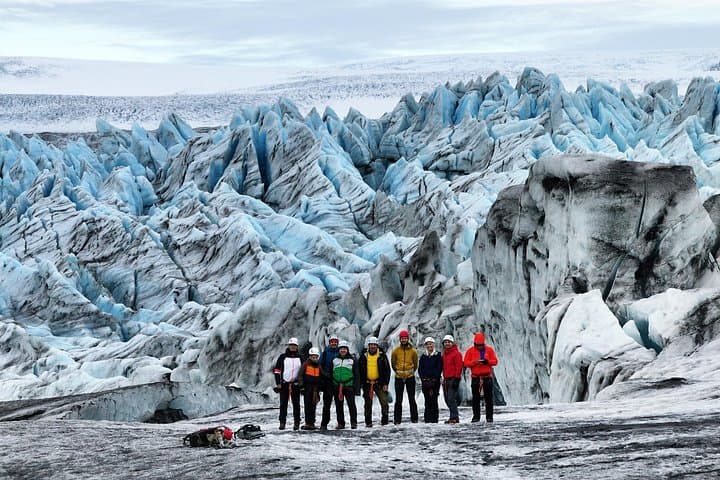
Vatnajökull, Iceland's largest ice cap, feeds outlet glaciers that flow toward Jökulsárlón lagoon. The blue in the caves is not color but compression—air forced out of ice by centuries of weight—while moulins, crevasses and canyons tell a history of movement, melt and seasonal rhythms. Local fishing communities in the Hornafjörður area have watched these glaciers advance and retreat for generations, and contemporary guides balance access with safety.
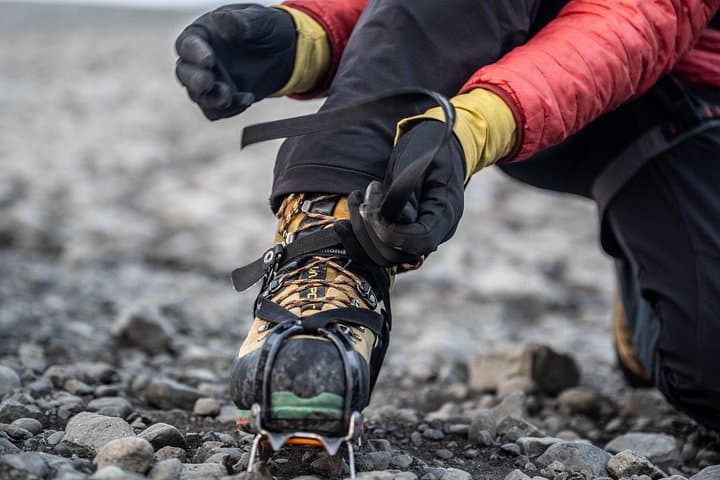
Practically: expect a roughly 40-minute 4x4 approach, then 3–3.5 hours on the glacier and in ice caves. Guides supply crampons, harnesses, helmets and headlamps and lead the route to quieter canyons and a remote 200-meter ice cave when conditions permit. Terrain is uneven ice with crevasses and steep sections; the guide will teach basic crampon and rope etiquette, but moderate fitness and sure-footedness help.
Bring insulated, waterproof layers, sturdy hiking boots that accept crampons, and a camera with extra batteries—cold drains them fast. Time trips for stable weather windows (late morning to mid-afternoon usually offers better light and safer conditions). Respect the ice: don’t pry at formations and follow your guide’s instructions; glaciers shift and demand attention.
challenging.
6 hours.
Moderate to good fitness; comfortable walking on steep, icy, uneven terrain and able to manage several hours of sustained effort.
No—these are guided trips and instructors teach basic crampon and rope techniques, though comfort on ice and a moderate fitness level help.
Expect 3–3.5 hours on ice with uneven footing and short steep sections; overall tour time is about 6 hours including the 4x4 approach.
Age limits vary by operator; safety restrictions typically exclude very young children and anyone with serious back, pregnancy or heart conditions.
Not always—access depends on stability and weather; guides prioritize safety and may adjust the route to visit safe formations instead.
Jökulsárlón formed as Vatnajökull’s outlet glaciers retreated in the 20th century; the lagoon and its icebergs are a recent landscape in geological terms.
Glacier environments are sensitive—follow Leave No Trace principles, avoid disturbing ice formations, and heed guides to reduce erosion and safety risks.
icewalkers.tours operates guided outdoor trips and adventures with an emphasis on safety, stewardship, and memorable experiences.
You step out of a rugged 4x4 and the world changes: wind pushes across white fields, the glacier's surface crackles under boots, and a tunnel of blue ice waits ahead like a carved cathedral. The first half hour feels like leaving civilization; the last half hour feels like learning how to read the ice.
You step out of a rugged 4x4 and the world changes: wind pushes across white fields, the glacier's surface crackles under boots, and a tunnel of blue ice waits ahead like a carved cathedral. The first half hour feels like leaving civilization; the last half hour feels like learning how to read the ice.
Vatnajökull, Iceland's largest ice cap, feeds outlet glaciers that flow toward Jökulsárlón lagoon. The blue in the caves is not color but compression—air forced out of ice by centuries of weight—while moulins, crevasses and canyons tell a history of movement, melt and seasonal rhythms. Local fishing communities in the Hornafjörður area have watched these glaciers advance and retreat for generations, and contemporary guides balance access with safety.
Practically: expect a roughly 40-minute 4x4 approach, then 3–3.5 hours on the glacier and in ice caves. Guides supply crampons, harnesses, helmets and headlamps and lead the route to quieter canyons and a remote 200-meter ice cave when conditions permit. Terrain is uneven ice with crevasses and steep sections; the guide will teach basic crampon and rope etiquette, but moderate fitness and sure-footedness help.
Bring insulated, waterproof layers, sturdy hiking boots that accept crampons, and a camera with extra batteries—cold drains them fast. Time trips for stable weather windows (late morning to mid-afternoon usually offers better light and safer conditions). Respect the ice: don’t pry at formations and follow your guide’s instructions; glaciers shift and demand attention.