THE ADVENTURE COLLECTIVE® · Independent discovery and booking for outdoor travel

Move beyond the spectator seat: learn Intore steps, feel live drumming, and join a group performance in Kigali. This two-hour workshop blends history, music, and hands-on instruction for every fitness level.
Move beyond the spectator seat: learn Intore steps, feel live drumming, and join a group performance in Kigali. This two-hour workshop blends history, music, and hands-on instruction for every fitness level.
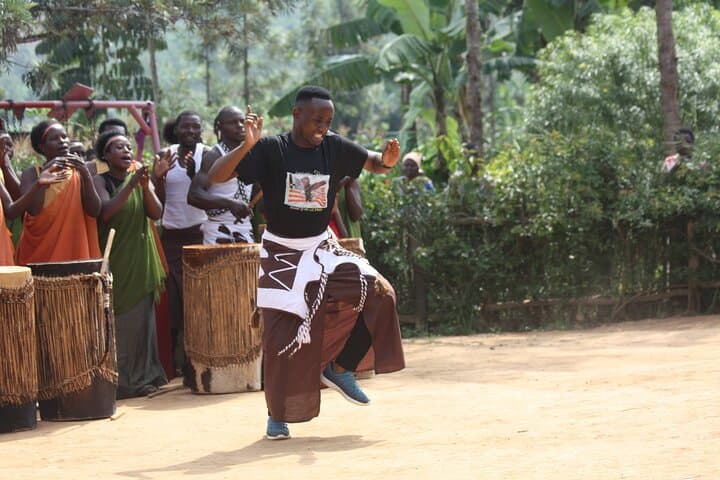
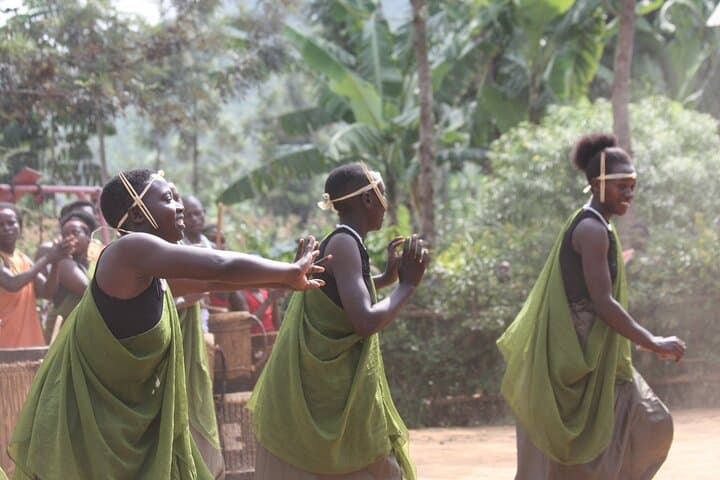
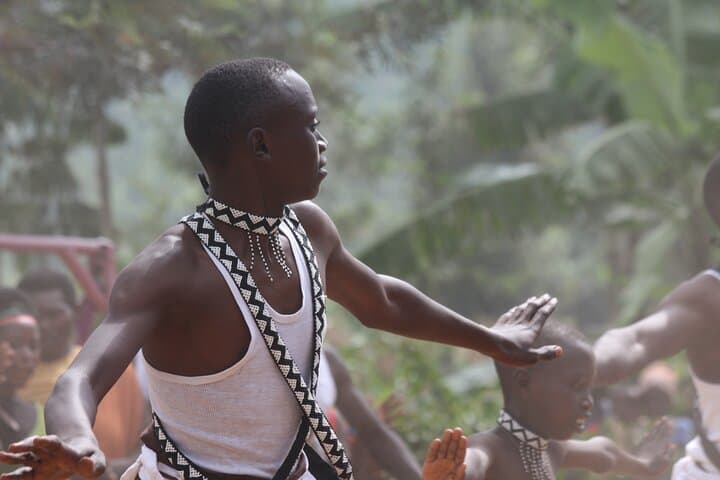
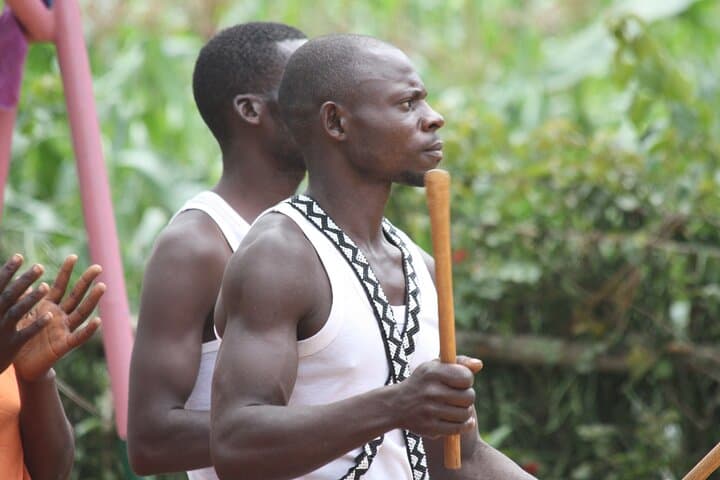
You step into a low-ceilinged hall in Kigali and the first thing that hits you is the drum: a steady, urgent heartbeat that seems to set the room itself in motion. Performers in vivid cloth move with practiced power—leaps, heel-stamps, and a chorus of voices—then invite you forward. Over the next two hours you’ll trade the safety of the sideline for the rhythm, learning basic steps and the stories they carry.
Verified experiences and guided adventures in the surrounding area.
Operated by Akagera Community Tourism & Bike Ride · Kigali, Kigali
You step into a low-ceilinged hall in Kigali and the first thing that hits you is the drum: a steady, urgent heartbeat that seems to set the room itself in motion. Performers in vivid cloth move with practiced power—leaps, heel-stamps, and a chorus of voices—then invite you forward. Over the next two hours you’ll trade the safety of the sideline for the rhythm, learning basic steps and the stories they carry.
Rwandan dance, especially Intore (the warrior dance), blends athletic footwork with oral history; movements trace rites of passage, harvest celebrations, and communal memory. Kigali sits on Rwanda’s rolling volcanic highlands—green ridges that have shaped settlement patterns and cultural exchange for centuries. Music and dance have long been ways communities kept history alive here, with drumming ensembles and songs marking births, marriages, and seasonal cycles.
This experience is intimate and hands-on: expect live drumming, short demonstrations, guided instruction for beginners, and a final group performance and photo session. Tea, local Akagera coffee, and bottled water are included, and groups are capped to keep the setting personal.
Practical notes: wear breathable, supportive shoes and flexible clothing; the floor can be firm and jumps are involved. Arrive with an open attitude—ask about meanings behind moves, but always follow the performers’ lead and photo guidance. Sessions are wheelchair-accessible and family-friendly, but if you have mobility limits tell your host ahead of time. This workshop is a cultural exchange more than a show—participate respectfully and you’ll leave with a clearer sense of Rwandan rhythm and the people who keep it alive.
easy.
2–2.5 hours.
Light cardio and mobility recommended; suitable for most fitness levels but expect brief bursts of higher intensity during choreography.
Yes—sessions are family-friendly and instructors tailor moves for beginners and younger participants; check age recommendations when booking.
No prior experience is required; the workshop is designed to teach basic steps and build up to a group performance.
Generally yes, but follow the performers’ guidance—some moments may be private or culturally sensitive and off-limits for recording.
The listing states the venue is wheelchair-accessible; notify the operator of any mobility needs when booking to ensure accommodations.
Traditional Rwandan dances like Intore originated as warrior and courtly performances; over time they evolved into communal ceremonies that narrate history and social values.
Support local artists directly—pay fair fees and buy handmade items when offered. Small-group cultural tourism helps preserve traditions and provides livelihoods without overburdening communities.
Akagera Community Tourism & Bike Ride operates guided outdoor trips and adventures with an emphasis on safety, stewardship, and memorable experiences.
You step into a low-ceilinged hall in Kigali and the first thing that hits you is the drum: a steady, urgent heartbeat that seems to set the room itself in motion. Performers in vivid cloth move with practiced power—leaps, heel-stamps, and a chorus of voices—then invite you forward. Over the next two hours you’ll trade the safety of the sideline for the rhythm, learning basic steps and the stories they carry.
You step into a low-ceilinged hall in Kigali and the first thing that hits you is the drum: a steady, urgent heartbeat that seems to set the room itself in motion. Performers in vivid cloth move with practiced power—leaps, heel-stamps, and a chorus of voices—then invite you forward. Over the next two hours you’ll trade the safety of the sideline for the rhythm, learning basic steps and the stories they carry.
Rwandan dance, especially Intore (the warrior dance), blends athletic footwork with oral history; movements trace rites of passage, harvest celebrations, and communal memory. Kigali sits on Rwanda’s rolling volcanic highlands—green ridges that have shaped settlement patterns and cultural exchange for centuries. Music and dance have long been ways communities kept history alive here, with drumming ensembles and songs marking births, marriages, and seasonal cycles.
This experience is intimate and hands-on: expect live drumming, short demonstrations, guided instruction for beginners, and a final group performance and photo session. Tea, local Akagera coffee, and bottled water are included, and groups are capped to keep the setting personal.
Practical notes: wear breathable, supportive shoes and flexible clothing; the floor can be firm and jumps are involved. Arrive with an open attitude—ask about meanings behind moves, but always follow the performers’ lead and photo guidance. Sessions are wheelchair-accessible and family-friendly, but if you have mobility limits tell your host ahead of time. This workshop is a cultural exchange more than a show—participate respectfully and you’ll leave with a clearer sense of Rwandan rhythm and the people who keep it alive.