THE ADVENTURE COLLECTIVE® · Independent discovery and booking for outdoor travel

Spend a full winter day exploring Banff town, hiking the frozen reaches of Johnston Canyon and standing above Marble Canyon’s turquoise ice. This guided day trip from Calgary combines easy town time with an immersive icewalk experience suitable for most fit travelers.
Spend a full winter day exploring Banff town, hiking the frozen reaches of Johnston Canyon and standing above Marble Canyon’s turquoise ice. This guided day trip from Calgary combines easy town time with an immersive icewalk experience suitable for most fit travelers.
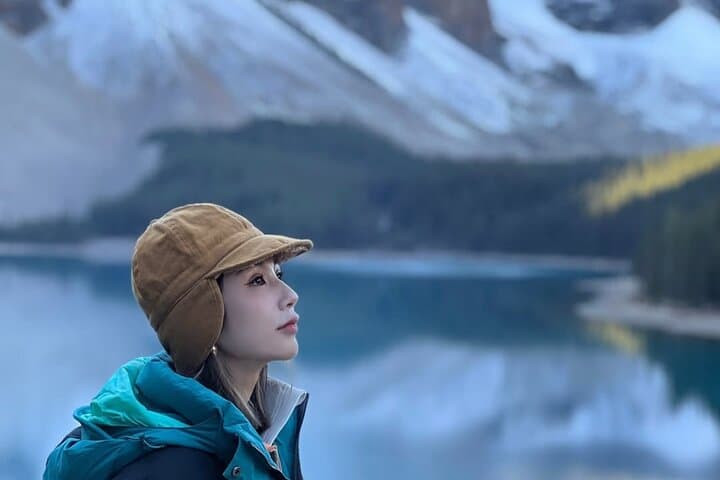
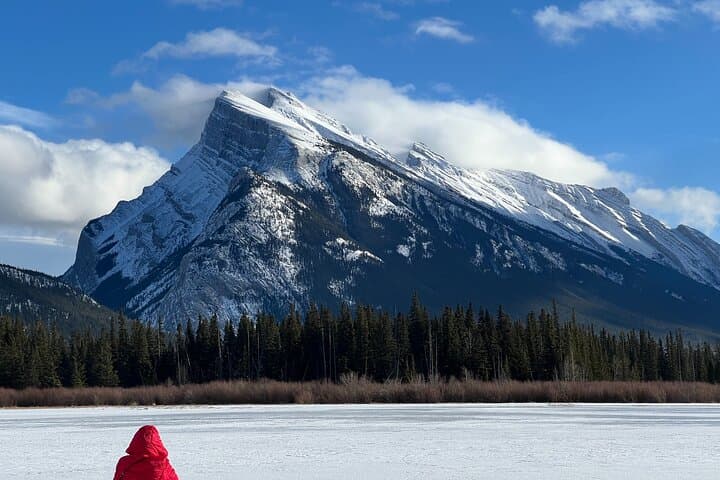
A low sun slices through blue alpine air as the minibus climbs the Bow Valley, depositing you where limestone cliffs pinch a creek into shivering turquoise. The day opens with Banff’s street-front cafes and a quick loop through town — coffee, historic hotel facades, and a last check of layers — before the real work: an icewalk through Johnston Canyon.
Verified experiences and guided adventures in the surrounding area.
Operated by Banff Journey · Banff, Alberta
A low sun slices through blue alpine air as the minibus climbs the Bow Valley, depositing you where limestone cliffs pinch a creek into shivering turquoise. The day opens with Banff’s street-front cafes and a quick loop through town — coffee, historic hotel facades, and a last check of layers — before the real work: an icewalk through Johnston Canyon.
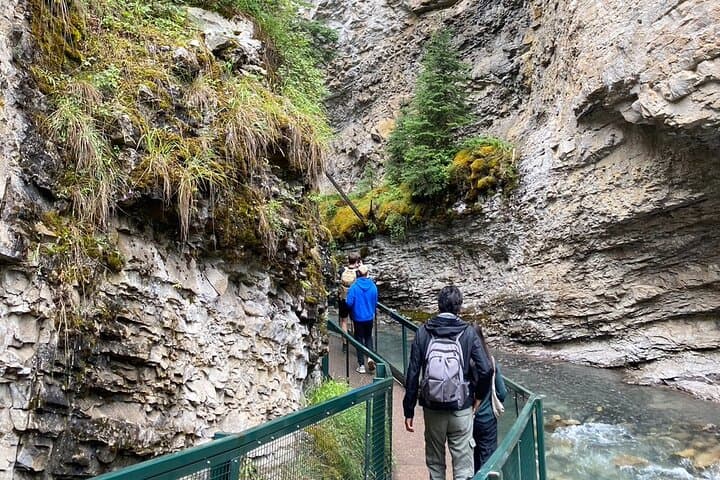
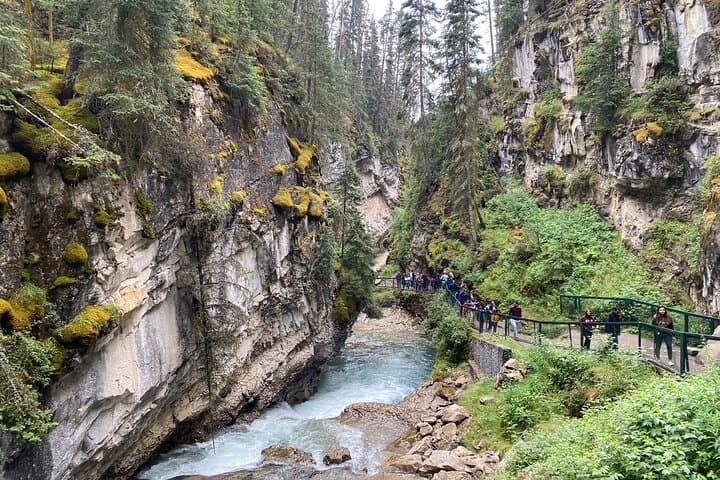
Johnston’s trail follows catwalks and packed snow under vertical walls where waterfalls freeze into brilliant columns. The canyon’s geology is classic Rockies: older clastic sediments and limestone sculpted by glacial melt and seasonal floods, now fluted and capped with ice. Marble Canyon, further along, is carved from limestone and dolomite; Tokumm Creek cuts a narrow gorge, the water’s mineral load creating that striking turquoise even under a skin of ice.
Culturally the Bow Valley has long been a travel corridor for Indigenous peoples and later park explorers; Banff itself sprang up with the railway and hot springs tourism in the late 19th century. Winter visitors here expect quiet trails, raptor thermals over the valley, and a different kind of traffic — light on people, heavy on weather.
Practical guidance: dress in layers, bring winter boots with ankle support and the traction devices offered (microspikes or crampons). Plan for a full day — 7–10 hours including transfers — and carry water, snacks, and a compact waterproof shell. Trails are groomed but can be icy; allow extra time for photos and for the group to move steadily through narrow sections. If road or weather conditions change, the operator may alter the itinerary — flexibility is part of the trip.
moderate.
7–10 hours.
Suitable for participants in regular health who can walk 2–4 miles on icy, uneven ground and handle up to short steep sections.
Expect a full-day excursion of roughly 7–10 hours including round-trip transport from pickup points, guided icewalks at Johnston Canyon and Marble Canyon, and time in Banff for lunch.
The operator can provide crampons/microspikes and hiking poles on request — confirm when booking or at pickup if you need rental gear.
The tour is listed as suitable for most fitness levels, but narrow icy sections and stairs may be challenging; families with young children or limited mobility should check with the operator before booking.
The tour provider may alter or cancel the itinerary due to winter road or weather conditions; full refunds are typically available if you cancel at least 24 hours in advance.
Banff and the Bow Valley grew with the Canadian Pacific Railway and hot springs discovery in the 1880s; many trails follow routes used since early settlement and Indigenous travel corridors.
This area is within or adjacent to national parks — stay on designated trails, pack out waste, and respect wildlife by keeping distance to reduce stress on animals during winter.
Banff Journey operates guided outdoor trips and adventures with an emphasis on safety, stewardship, and memorable experiences.
A low sun slices through blue alpine air as the minibus climbs the Bow Valley, depositing you where limestone cliffs pinch a creek into shivering turquoise. The day opens with Banff’s street-front cafes and a quick loop through town — coffee, historic hotel facades, and a last check of layers — before the real work: an icewalk through Johnston Canyon.
A low sun slices through blue alpine air as the minibus climbs the Bow Valley, depositing you where limestone cliffs pinch a creek into shivering turquoise. The day opens with Banff’s street-front cafes and a quick loop through town — coffee, historic hotel facades, and a last check of layers — before the real work: an icewalk through Johnston Canyon.
Johnston’s trail follows catwalks and packed snow under vertical walls where waterfalls freeze into brilliant columns. The canyon’s geology is classic Rockies: older clastic sediments and limestone sculpted by glacial melt and seasonal floods, now fluted and capped with ice. Marble Canyon, further along, is carved from limestone and dolomite; Tokumm Creek cuts a narrow gorge, the water’s mineral load creating that striking turquoise even under a skin of ice.
Culturally the Bow Valley has long been a travel corridor for Indigenous peoples and later park explorers; Banff itself sprang up with the railway and hot springs tourism in the late 19th century. Winter visitors here expect quiet trails, raptor thermals over the valley, and a different kind of traffic — light on people, heavy on weather.
Practical guidance: dress in layers, bring winter boots with ankle support and the traction devices offered (microspikes or crampons). Plan for a full day — 7–10 hours including transfers — and carry water, snacks, and a compact waterproof shell. Trails are groomed but can be icy; allow extra time for photos and for the group to move steadily through narrow sections. If road or weather conditions change, the operator may alter the itinerary — flexibility is part of the trip.