THE ADVENTURE COLLECTIVE® · Independent discovery and booking for outdoor travel

Spend a day moving from the gold-bearing ridge of Johannesburg to the vibrant Vilakazi Street in Soweto. This private guided tour pairs the Apartheid Museum and Constitutional Hill with a local shebeen lunch and close-up township insights.
Spend a day moving from the gold-bearing ridge of Johannesburg to the vibrant Vilakazi Street in Soweto. This private guided tour pairs the Apartheid Museum and Constitutional Hill with a local shebeen lunch and close-up township insights.
You step out of the vehicle onto Munro Drive and the Rand ridge opens northward — a hard line cut by the city, gold still whispering in its rock. The guide leads the way through wide boulevards, past the modern silhouette of the Carlton Centre and into the rougher, brighter streets of Soweto where Vilakazi Street pulses with traders, laughter and the smell of braai smoke. A private tour like this stages the city: grit and glamour, mining history and township resilience.
Verified experiences and guided adventures in the surrounding area.
Operated by Mmilo Tours · Johannesburg, Gauteng
You step out of the vehicle onto Munro Drive and the Rand ridge opens northward — a hard line cut by the city, gold still whispering in its rock. The guide leads the way through wide boulevards, past the modern silhouette of the Carlton Centre and into the rougher, brighter streets of Soweto where Vilakazi Street pulses with traders, laughter and the smell of braai smoke. A private tour like this stages the city: grit and glamour, mining history and township resilience.
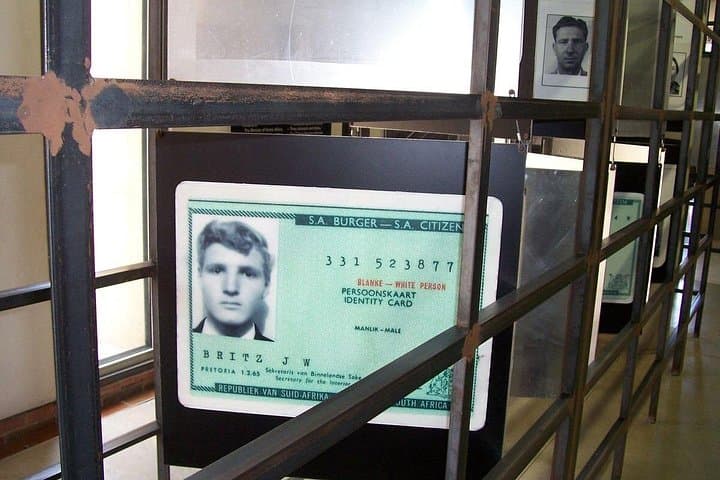
Geology here explains the city: the Witwatersrand gold reef made Johannesburg where no river had. That ridge shaped settlement and wealth distribution, from Houghton mansions to clustered hostels. The history is recent and raw — Apartheid’s structures and Soweto’s youth uprisings are read plainly at Constitution Hill and the Apartheid Museum. Cultural life is immediate: Desmond Tutu and Nelson Mandela’s former homes, street shebeens dishing local plates, and markets selling beadwork and prints.
Practical guidance follows the story. Expect a long, mostly seated day with short walks at sites; wear sturdy shoes for museum grounds and rough township streets. Bring local cash for small vendors, a hat and sunscreen for open areas, and a curious but respectful camera policy in residential zones. The private format lets you add a mine visit or Gandhi’s house if you prefer deeper context. Plan for eight to nine hours, factor peak traffic when scheduling pickup, and follow your guide’s advice for safe, culturally sensitive interactions. This tour is a concentrated primer on Johannesburg’s complex past and its lively present.
easy.
8–9 hours.
Suitable for most fitness levels; expect moderate walking at museums and in Soweto with opportunities to sit between sites.
Yes — pickup and drop-off from central Johannesburg or Pretoria hotels is included in the tour price.
Many sites like the Apartheid Museum and Constitutional Hill have accessible routes, but some township streets are uneven; confirm mobility needs when booking.
Yes — this is a private tour and you can request additions such as a mine visit or Gandhi’s house, subject to scheduling and admissions.
Yes — a local lunch on Vilakazi Street is included; inform the operator of dietary restrictions in advance.
Johannesburg grew rapidly after the late-19th-century Witwatersrand gold discovery; Soweto became central to resistance against Apartheid, most notably during the 1976 youth uprisings.
Urban conservation focuses on preserving remaining patches of Highveld grassland and managing visitor impact in sensitive heritage sites; responsible tourism supports local vendors and community projects.
Mmilo Tours operates guided outdoor trips and adventures with an emphasis on safety, stewardship, and memorable experiences.
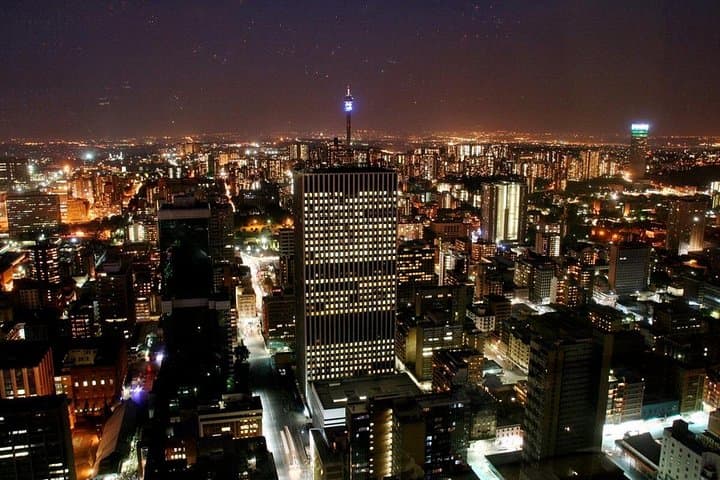
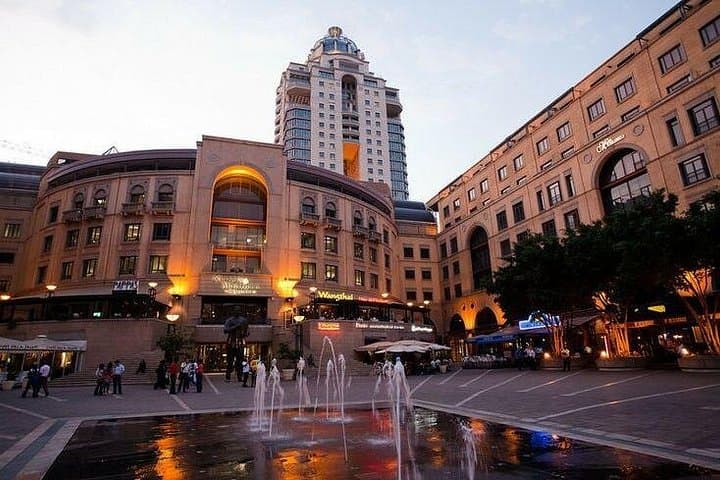
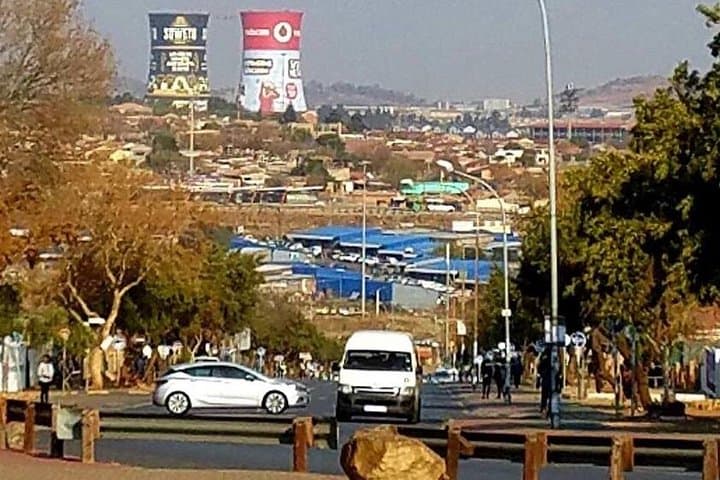
You step out of the vehicle onto Munro Drive and the Rand ridge opens northward — a hard line cut by the city, gold still whispering in its rock. The guide leads the way through wide boulevards, past the modern silhouette of the Carlton Centre and into the rougher, brighter streets of Soweto where Vilakazi Street pulses with traders, laughter and the smell of braai smoke. A private tour like this stages the city: grit and glamour, mining history and township resilience.
You step out of the vehicle onto Munro Drive and the Rand ridge opens northward — a hard line cut by the city, gold still whispering in its rock. The guide leads the way through wide boulevards, past the modern silhouette of the Carlton Centre and into the rougher, brighter streets of Soweto where Vilakazi Street pulses with traders, laughter and the smell of braai smoke. A private tour like this stages the city: grit and glamour, mining history and township resilience.
Geology here explains the city: the Witwatersrand gold reef made Johannesburg where no river had. That ridge shaped settlement and wealth distribution, from Houghton mansions to clustered hostels. The history is recent and raw — Apartheid’s structures and Soweto’s youth uprisings are read plainly at Constitution Hill and the Apartheid Museum. Cultural life is immediate: Desmond Tutu and Nelson Mandela’s former homes, street shebeens dishing local plates, and markets selling beadwork and prints.
Practical guidance follows the story. Expect a long, mostly seated day with short walks at sites; wear sturdy shoes for museum grounds and rough township streets. Bring local cash for small vendors, a hat and sunscreen for open areas, and a curious but respectful camera policy in residential zones. The private format lets you add a mine visit or Gandhi’s house if you prefer deeper context. Plan for eight to nine hours, factor peak traffic when scheduling pickup, and follow your guide’s advice for safe, culturally sensitive interactions. This tour is a concentrated primer on Johannesburg’s complex past and its lively present.