THE ADVENTURE COLLECTIVE® · Independent discovery and booking for outdoor travel

Skip the cookie‑cutter route and explore Johannesburg with a local who adapts the walk to your interests. Over 2–6 hours you’ll see history, contemporary culture and hidden neighbourhoods, with practical tips to keep exploring on your own.
Skip the cookie‑cutter route and explore Johannesburg with a local who adapts the walk to your interests. Over 2–6 hours you’ll see history, contemporary culture and hidden neighbourhoods, with practical tips to keep exploring on your own.
You step off the tram of hurried commuters and into a city that talks back—graffiti-slashed walls, the low hum of minibus taxis, jacaranda trees shrugging purple petals onto the pavement.
Verified experiences and guided adventures in the surrounding area.
Operated by Lokafy Inc. · Johannesburg, Gauteng
You step off the tram of hurried commuters and into a city that talks back—graffiti-slashed walls, the low hum of minibus taxis, jacaranda trees shrugging purple petals onto the pavement.
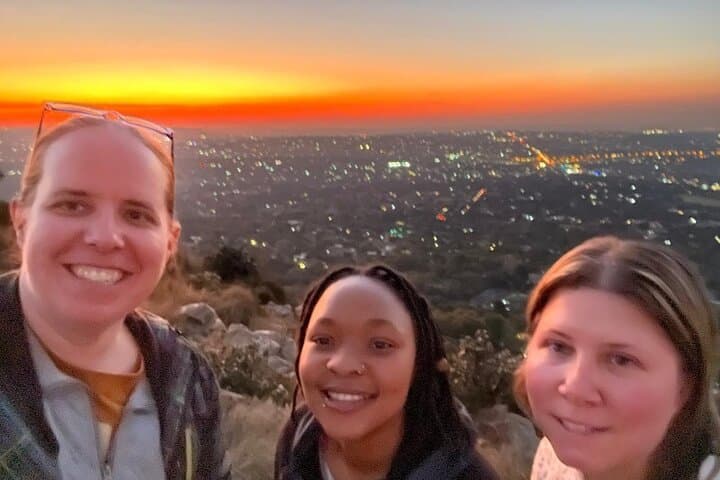
A Lokafyer meets you with a map in their pocket but no script. Over the next 2–6 hours you’ll move at a human pace, through neighbourhood streets, market stalls and quieter koppies where the city’s geology—ancient rocky outcrops of the Kaapvaal craton—still shapes the skyline.
Johannesburg was born of gold in 1886 and has carried that boom-and-bust energy into layered histories: colonial commerce, the creation and resistance of townships like Soweto, and a contemporary arts scene that channels political memory into murals, music and cafés.
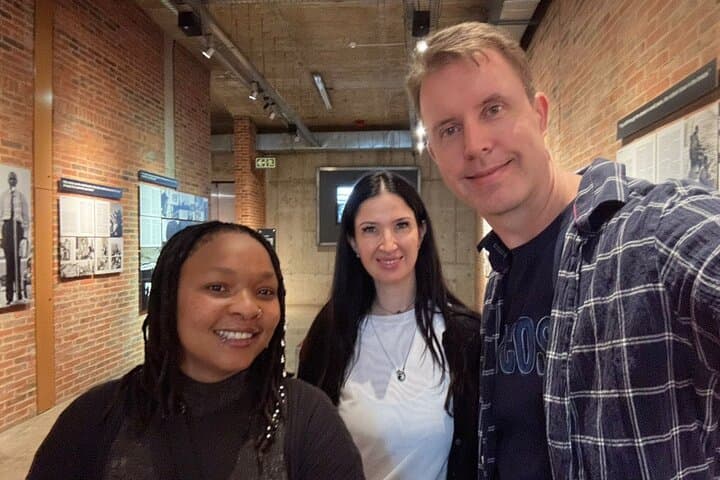
Culturally the city is restless and hospitable; your local will point out sites tied to apartheid-era history, recommend an iconic braai spot or a tucked-away gallery, and explain the complex social geography that guides daily life.
Practically: the tour is fully customizable and private—choose food, art or history themes and set the duration. Expect 3–12 km of walking depending on your pace and route. Wear sturdy shoes, bring a refillable water bottle and a light rain layer (summer storms are common).
Public transport and parking options exist near most meeting points but confirm the start location ahead of time. Some paid attractions will require separate entrance fees. The tour operates in all weather; if you have mobility or health constraints, discuss adjustments when booking.
This is urban walking with a local’s curiosity—equal parts discovery, context and practical tips to keep exploring after you part ways.
easy.
2–6 hours.
Suitable for most fitness levels; expect several hours of walking and some short uphill sections
Tours are private and customizable—book for 2 hours up to 6 hours and tell your Lokafyer your interests so they tailor the route.
You choose the meeting point; public transport is often nearby but transfers are not included—confirm start location when booking.
No—if you want to visit paid attractions you and the Lokafyer cover entrance fees; mention these in advance to adjust the itinerary.
Children are welcome (under 3 free). The tour involves walking and some uneven terrain; discuss mobility needs with your Lokafyer to adapt the route.
Johannesburg grew rapidly after the 1886 gold discovery; its urban form and neighbourhood divisions reflect economic booms and a long history of segregation and resistance, visible in sites around the city and in Soweto.
Support local businesses and cultural projects; stick to marked paths on koppies and avoid feeding wildlife—urban green spaces are under pressure from development and benefit from respectful use.
Lokafy Inc. operates guided outdoor trips and adventures with an emphasis on safety, stewardship, and memorable experiences.
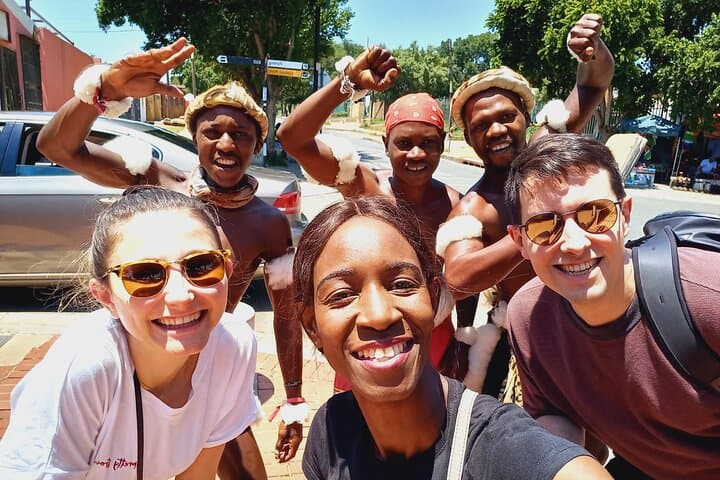
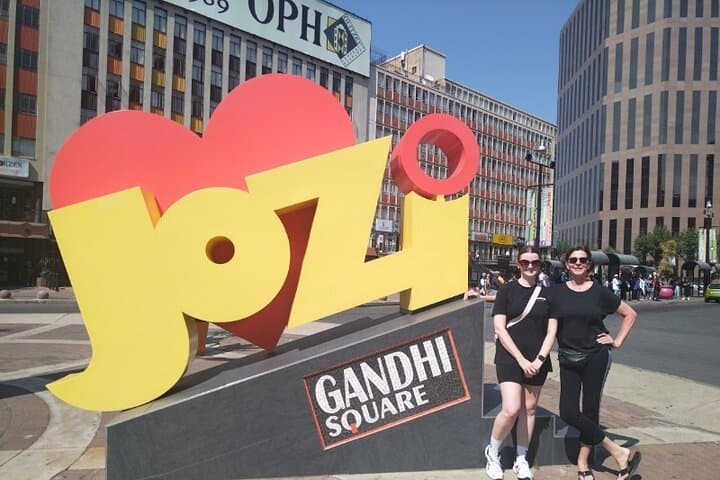
You step off the tram of hurried commuters and into a city that talks back—graffiti-slashed walls, the low hum of minibus taxis, jacaranda trees shrugging purple petals onto the pavement.
You step off the tram of hurried commuters and into a city that talks back—graffiti-slashed walls, the low hum of minibus taxis, jacaranda trees shrugging purple petals onto the pavement.
A Lokafyer meets you with a map in their pocket but no script. Over the next 2–6 hours you’ll move at a human pace, through neighbourhood streets, market stalls and quieter koppies where the city’s geology—ancient rocky outcrops of the Kaapvaal craton—still shapes the skyline.
Johannesburg was born of gold in 1886 and has carried that boom-and-bust energy into layered histories: colonial commerce, the creation and resistance of townships like Soweto, and a contemporary arts scene that channels political memory into murals, music and cafés.
Culturally the city is restless and hospitable; your local will point out sites tied to apartheid-era history, recommend an iconic braai spot or a tucked-away gallery, and explain the complex social geography that guides daily life.
Practically: the tour is fully customizable and private—choose food, art or history themes and set the duration. Expect 3–12 km of walking depending on your pace and route. Wear sturdy shoes, bring a refillable water bottle and a light rain layer (summer storms are common).
Public transport and parking options exist near most meeting points but confirm the start location ahead of time. Some paid attractions will require separate entrance fees. The tour operates in all weather; if you have mobility or health constraints, discuss adjustments when booking.
This is urban walking with a local’s curiosity—equal parts discovery, context and practical tips to keep exploring after you part ways.