THE ADVENTURE COLLECTIVE® · Independent discovery and booking for outdoor travel

See Johannesburg’s inner city by bike or on foot—four hours through Maboneng, Braamfontein, Newtown and Victoria Yards with a local guide and lunch. Expect street art, reclaimed industrial spaces, and solid urban context for the city’s history and culture.
See Johannesburg’s inner city by bike or on foot—four hours through Maboneng, Braamfontein, Newtown and Victoria Yards with a local guide and lunch. Expect street art, reclaimed industrial spaces, and solid urban context for the city’s history and culture.
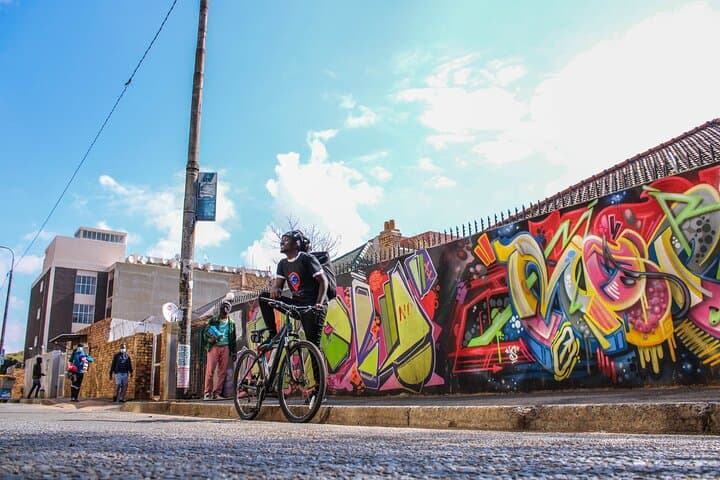
You roll out from a narrow street in Maboneng with the city pressing close: brick facades shadow murals, the rumble of taxis threads the air, and a guide calls the route through Braamfontein and Newtown. Whether on two wheels or two feet, the tour moves at an urban pace—stop-and-go, punctuated by markets, street art and the sudden wide-open repaired lots that used to be industrial yards.
Verified experiences and guided adventures in the surrounding area.
Operated by Honest Travel Experience · Johannesburg, Gauteng
You roll out from a narrow street in Maboneng with the city pressing close: brick facades shadow murals, the rumble of taxis threads the air, and a guide calls the route through Braamfontein and Newtown. Whether on two wheels or two feet, the tour moves at an urban pace—stop-and-go, punctuated by markets, street art and the sudden wide-open repaired lots that used to be industrial yards.
Johannesburg rose from an 1886 gold rush; its downtown is a palimpsest of mining-era warehouses, migrant housing and post-apartheid reinvention. Geology is visible in the outcrops and reclaimed yards where mine tailings once accumulated; culturally the route traces waves of migration and creative reuse—Victoria Yards and Newtown are contemporary hubs of studios, music and markets.
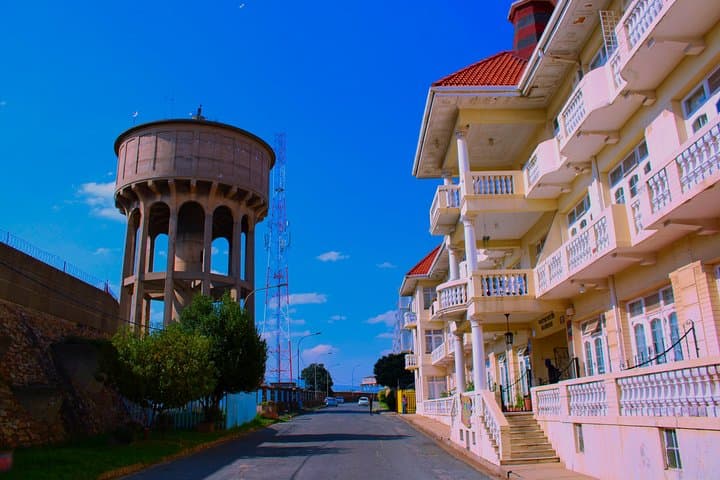
Expect close-up encounters with public art, coffee stalls, and short walks into courtyards and converted factories. The guide will thread historical context—how inner-city migration shaped labour and commerce—and point out architecture from Victorian facades to modernist civic blocks.
Practically: this is a four-hour urban activity with frequent stops. Bring a light rain layer and sun protection, and plan to wear comfortable closed-toe shoes for brief cobbled stretches. Hydrate before and during; bottled water is usually provided but carry a refillable bottle. Traffic can be heavy—follow the guide’s instructions for road crossings and single-file cycling through narrow streets.
Timing matters: morning light favors Maboneng markets; late afternoon brings long shadows and cooler air. The experience is best for people with moderate fitness and basic bike-handling skills, and it rewards curiosity—ask about murals, shopkeepers and the stories behind reclaimed spaces.
moderate.
4 hours.
Moderate—comfortable cycling for 2–3 hours with frequent stops and short walks; basic bike-handling ability recommended
Yes—the experience title and operator indicate lunch is included as part of the outing; confirm dietary needs when booking.
Yes—the route is offered as a bike or walking tour; choose your mode when booking and ensure you have the appropriate fitness level.
Operators typically provide helmets, but you may bring your own for fit and comfort—ask at booking if you have specific size needs.
The operator may cancel or reschedule for heavy rain; check the 24-hour cancellation policy and confirm a rain plan when you book.
Johannesburg’s inner city grew rapidly after the 1886 gold rush; neighborhoods on this route reflect waves of migration, industrial growth, and recent cultural regeneration.
Support small local businesses and artists you visit; stay on streets and designated pedestrian areas to avoid disturbing reclaimed green spaces and private studios.
Honest Travel Experience operates guided outdoor trips and adventures with an emphasis on safety, stewardship, and memorable experiences.
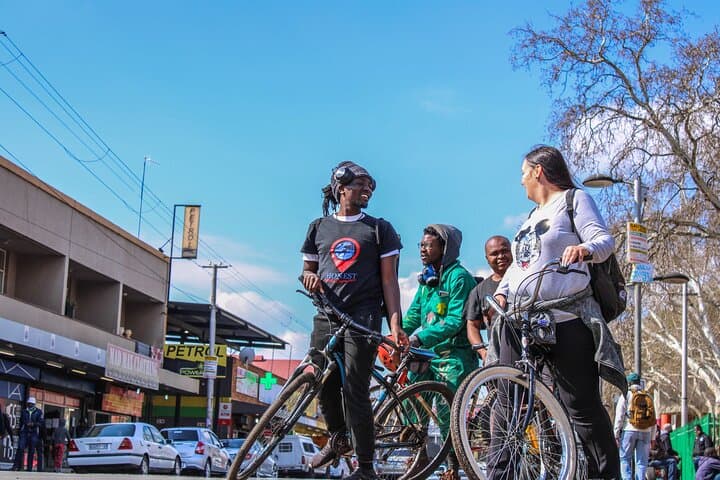
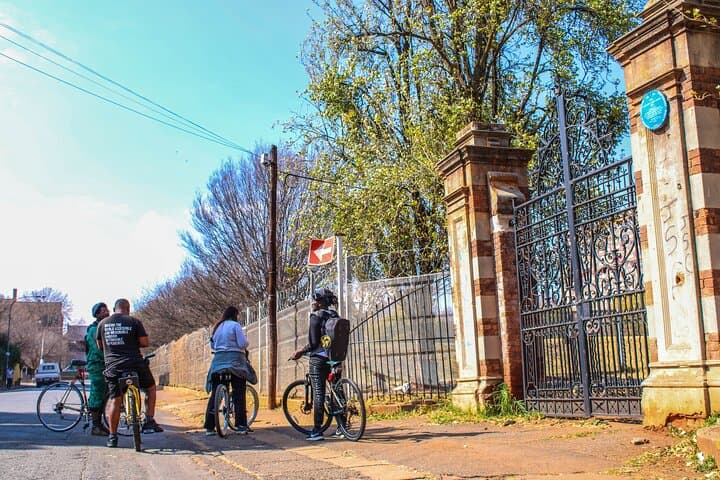
You roll out from a narrow street in Maboneng with the city pressing close: brick facades shadow murals, the rumble of taxis threads the air, and a guide calls the route through Braamfontein and Newtown. Whether on two wheels or two feet, the tour moves at an urban pace—stop-and-go, punctuated by markets, street art and the sudden wide-open repaired lots that used to be industrial yards.
You roll out from a narrow street in Maboneng with the city pressing close: brick facades shadow murals, the rumble of taxis threads the air, and a guide calls the route through Braamfontein and Newtown. Whether on two wheels or two feet, the tour moves at an urban pace—stop-and-go, punctuated by markets, street art and the sudden wide-open repaired lots that used to be industrial yards.
Johannesburg rose from an 1886 gold rush; its downtown is a palimpsest of mining-era warehouses, migrant housing and post-apartheid reinvention. Geology is visible in the outcrops and reclaimed yards where mine tailings once accumulated; culturally the route traces waves of migration and creative reuse—Victoria Yards and Newtown are contemporary hubs of studios, music and markets.
Expect close-up encounters with public art, coffee stalls, and short walks into courtyards and converted factories. The guide will thread historical context—how inner-city migration shaped labour and commerce—and point out architecture from Victorian facades to modernist civic blocks.
Practically: this is a four-hour urban activity with frequent stops. Bring a light rain layer and sun protection, and plan to wear comfortable closed-toe shoes for brief cobbled stretches. Hydrate before and during; bottled water is usually provided but carry a refillable bottle. Traffic can be heavy—follow the guide’s instructions for road crossings and single-file cycling through narrow streets.
Timing matters: morning light favors Maboneng markets; late afternoon brings long shadows and cooler air. The experience is best for people with moderate fitness and basic bike-handling skills, and it rewards curiosity—ask about murals, shopkeepers and the stories behind reclaimed spaces.