THE ADVENTURE COLLECTIVE® · Independent discovery and booking for outdoor travel

Walk through Joburg’s contemporary art scene on a curated gallery hop that balances intimate viewing with cultural context. This 2–3 hour tour blends coffee-fueled introductions, curator insights, and visits to both established and emerging galleries across the city.
Walk through Joburg’s contemporary art scene on a curated gallery hop that balances intimate viewing with cultural context. This 2–3 hour tour blends coffee-fueled introductions, curator insights, and visits to both established and emerging galleries across the city.
A late-morning sun warms corrugated roofs as you step from a quiet side street into Joburg’s gallery quarter; the air carries the low hum of traffic, distant church bells and the metallic scent of a city hewn from gold. This gallery hop moves at walking pace, alternating intimate white-box spaces with larger contemporary venues, each doorway promising a new frame on South Africa’s complex narrative.
Verified experiences and guided adventures in the surrounding area.
Operated by Thabo the Tourist · Johannesburg, Gauteng
A late-morning sun warms corrugated roofs as you step from a quiet side street into Joburg’s gallery quarter; the air carries the low hum of traffic, distant church bells and the metallic scent of a city hewn from gold. This gallery hop moves at walking pace, alternating intimate white-box spaces with larger contemporary venues, each doorway promising a new frame on South Africa’s complex narrative.
Johannesburg grew fast on the Witwatersrand gold reef, and that urgency shapes its art: work here answers history—apartheid, migration, urban reinvention—while riffing on broader global currents. Geology matters too; the ridge that birthed the city pushed different communities and economies into close, often contested, proximity, and that tension surfaces in many exhibitions.
Expect a mix of established names and emerging artists, curator talks and moments to simply absorb a piece. Cultural cues—languages, street food, market stalls—filter into the tour, offering context beyond labels. The guide usually begins over coffee, then paces three to four galleries with time for questions and quiet looking.
Practical notes: wear comfortable walking shoes and layer for sudden sun or summer squalls; many galleries have stairs and variable accessibility. Bring a refillable water bottle, small cash for market purchases and camera etiquette—ask before photographing sensitive works. Aim for late morning or early afternoon to avoid peak traffic and catch galleries between openings and closures.
This is a focused, social way to read Joburg’s contemporary pulse: accessible for most walkers, rich in stories, and structured to leave you with artists’ names, neighborhood insights, and a sense of why the city’s art matters now.
easy.
2–3 hours.
Suitable for most people who can walk short urban distances and stand for gallery viewing; minimal elevation changes.
The tour includes entry to selected galleries; the itinerary notes which stops charge admission—your confirmation will list included venues.
Yes—children over six are welcome, but consider gallery content and pacing for younger visitors.
Some galleries are accessible but others have stairs; contact the operator in advance to discuss specific accessibility needs.
Most tours are conducted in English; check with the operator for other language options or private arrangements.
Johannesburg’s contemporary art scene developed alongside the city’s rapid growth on the Witwatersrand gold reef and was deeply shaped by apartheid-era divisions and post-apartheid cultural resurgence.
Support local galleries and artists directly to help keep spaces viable; minimize plastic waste and use public transport to reduce the tour’s footprint.
Thabo the Tourist operates guided outdoor trips and adventures with an emphasis on safety, stewardship, and memorable experiences.
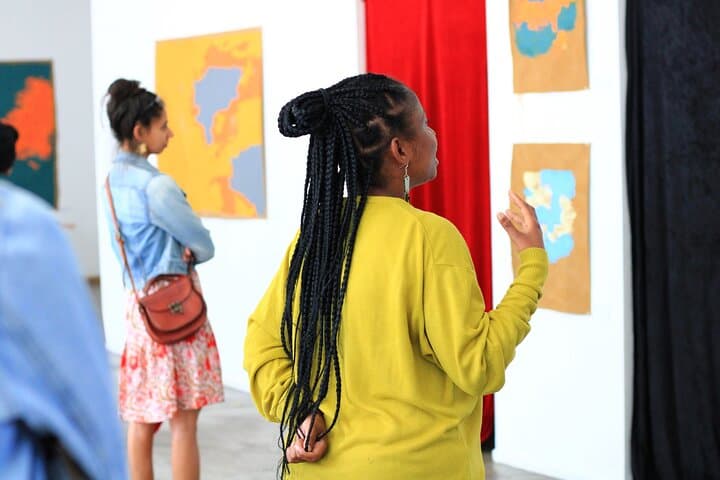
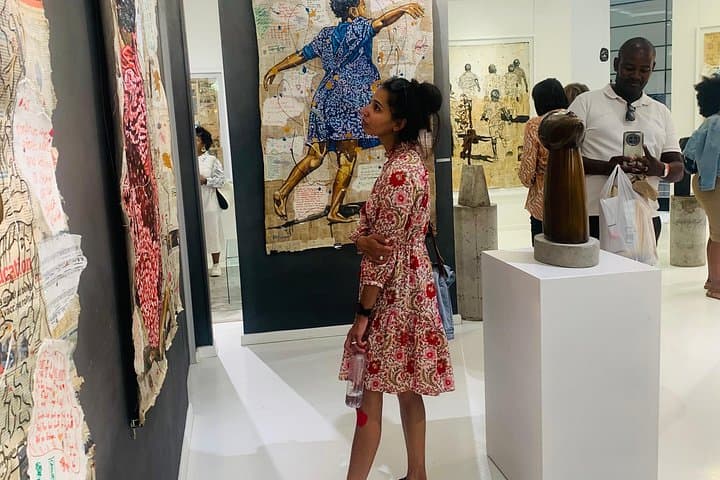
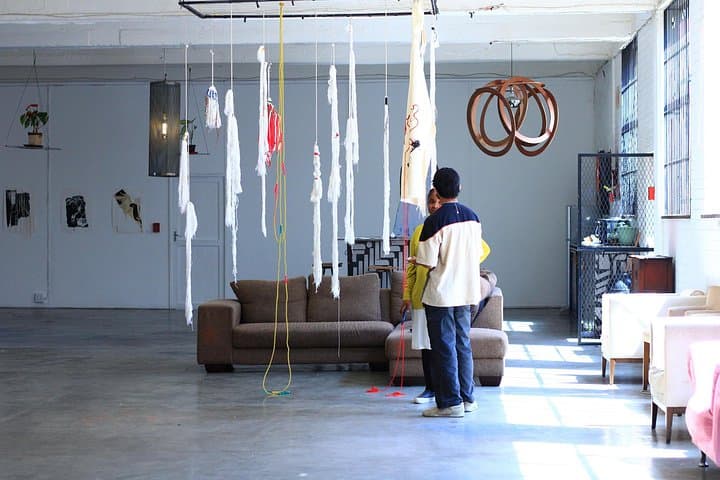
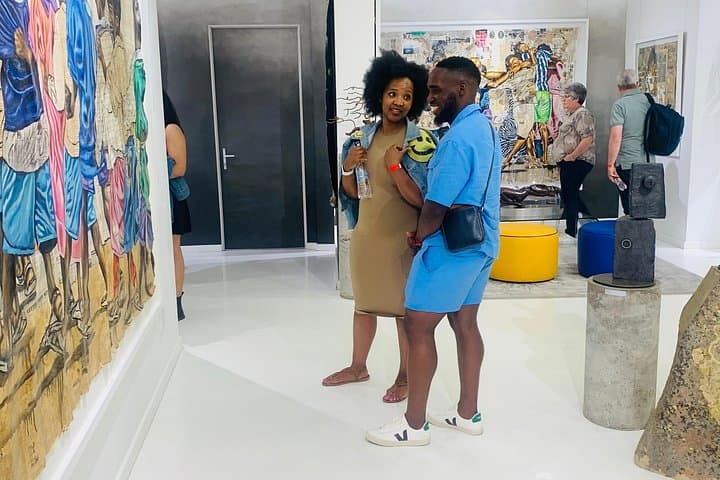
A late-morning sun warms corrugated roofs as you step from a quiet side street into Joburg’s gallery quarter; the air carries the low hum of traffic, distant church bells and the metallic scent of a city hewn from gold. This gallery hop moves at walking pace, alternating intimate white-box spaces with larger contemporary venues, each doorway promising a new frame on South Africa’s complex narrative.
A late-morning sun warms corrugated roofs as you step from a quiet side street into Joburg’s gallery quarter; the air carries the low hum of traffic, distant church bells and the metallic scent of a city hewn from gold. This gallery hop moves at walking pace, alternating intimate white-box spaces with larger contemporary venues, each doorway promising a new frame on South Africa’s complex narrative.
Johannesburg grew fast on the Witwatersrand gold reef, and that urgency shapes its art: work here answers history—apartheid, migration, urban reinvention—while riffing on broader global currents. Geology matters too; the ridge that birthed the city pushed different communities and economies into close, often contested, proximity, and that tension surfaces in many exhibitions.
Expect a mix of established names and emerging artists, curator talks and moments to simply absorb a piece. Cultural cues—languages, street food, market stalls—filter into the tour, offering context beyond labels. The guide usually begins over coffee, then paces three to four galleries with time for questions and quiet looking.
Practical notes: wear comfortable walking shoes and layer for sudden sun or summer squalls; many galleries have stairs and variable accessibility. Bring a refillable water bottle, small cash for market purchases and camera etiquette—ask before photographing sensitive works. Aim for late morning or early afternoon to avoid peak traffic and catch galleries between openings and closures.
This is a focused, social way to read Joburg’s contemporary pulse: accessible for most walkers, rich in stories, and structured to leave you with artists’ names, neighborhood insights, and a sense of why the city’s art matters now.