THE ADVENTURE COLLECTIVE® · Independent discovery and booking for outdoor travel

Book a timed-entry ticket to Jiuzhaigou and walk the boardwalks that trace turquoise lakes and travertine falls. This guide covers what to expect—timed slots, inside buses, altitude and seasonal highlights—so you can plan a focused day in one of Sichuan's most photogenic valleys.
Book a timed-entry ticket to Jiuzhaigou and walk the boardwalks that trace turquoise lakes and travertine falls. This guide covers what to expect—timed slots, inside buses, altitude and seasonal highlights—so you can plan a focused day in one of Sichuan's most photogenic valleys.
You arrive to a valley where water refuses to be ordinary: lakes shift from turquoise to jade, terraced by mineral-rich deposits, and boardwalks thread through forested hummocks that catch the light. The sightseeing bus drops you at wooden platforms; each view feels like a small discovery—Lush riparian forest, mirrored lakes, and waterfalls that push the air with mist.
Verified experiences and guided adventures in the surrounding area.
Operated by Travel China Guide · Zhangzha (Jiuzhaigou Town), Sichuan
You arrive to a valley where water refuses to be ordinary: lakes shift from turquoise to jade, terraced by mineral-rich deposits, and boardwalks thread through forested hummocks that catch the light. The sightseeing bus drops you at wooden platforms; each view feels like a small discovery—Lush riparian forest, mirrored lakes, and waterfalls that push the air with mist.
Jiuzhaigou was recognized as a UNESCO World Heritage site in the early 1990s and sits in a glacially carved valley of northern Sichuan. Geologically, the landscape is defined by travertine dams and karst-influenced limestone that trap clear water and create multi-tiered basins. The region is also home to Tibetan and Qiang communities—look for local architectural details and cultural touches in nearby villages.
Practicalities shape the visit: tickets are time-slot specific, with peak-season slots at 07:30–10:00, 10:00–12:00, and 12:00–14:00; off-season has shortened hours. Inside sightseeing buses connect the main highlights, but expect several kilometers of walking on boardwalks and uneven paths; plan 4–7 hours for a proper loop. Altitude ranges around 2,000–3,000 m, so pace yourself and carry water.
Best times to visit are spring for flowers and autumn for vivid foliage. Bring layered clothing for cool mornings and sun protection for midday. Show your passport at the gate for entry and be prepared for steady pedestrian traffic at viewing platforms. With modest fitness and sensible planning, Jiuzhaigou delivers vivid color, quiet forest air, and a landscape that feels engineered by water itself.
moderate.
4–7 hours.
Moderate fitness; able to walk several kilometres on boardwalks and ascend short stair sections.
Yes. Tickets require a reserved time slot—three slots in peak season and two in off-season—so plan arrival accordingly.
Yes. The admission ticket includes access to the park's internal sightseeing buses that shuttle between main viewpoints.
Expect to spend 4–7 hours to cover the primary lakes and falls at a steady pace; a full loop can take longer if you stop frequently.
The valley sits around 2,000–3,000 m; visitors prone to altitude sensitivity should move slowly, stay hydrated, and avoid strenuous exertion on arrival day.
Jiuzhaigou's scenic valley has long been inhabited by Tibetan and Qiang peoples; the park’s modern protection began in the late 20th century when its distinctive travertine basins gained national and international recognition.
Visitor numbers are controlled by timed entry to limit impact on fragile travertine formations and aquatic ecosystems; stick to boardwalks and follow park rules to reduce wear on sensitive soils.
Travel China Guide operates guided outdoor trips and adventures with an emphasis on safety, stewardship, and memorable experiences.
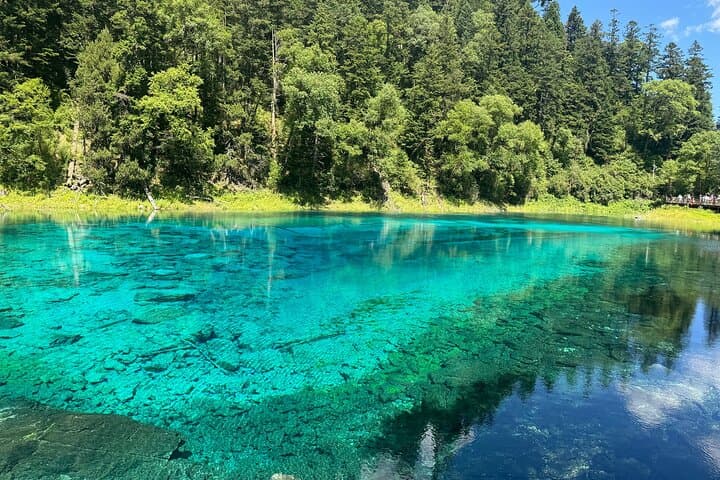
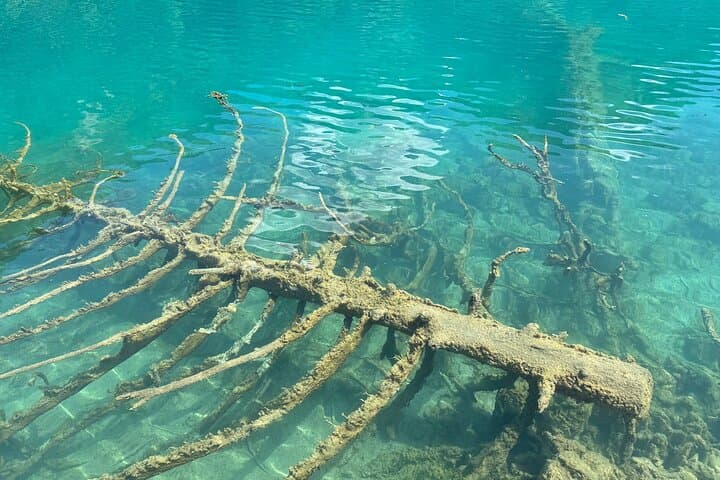
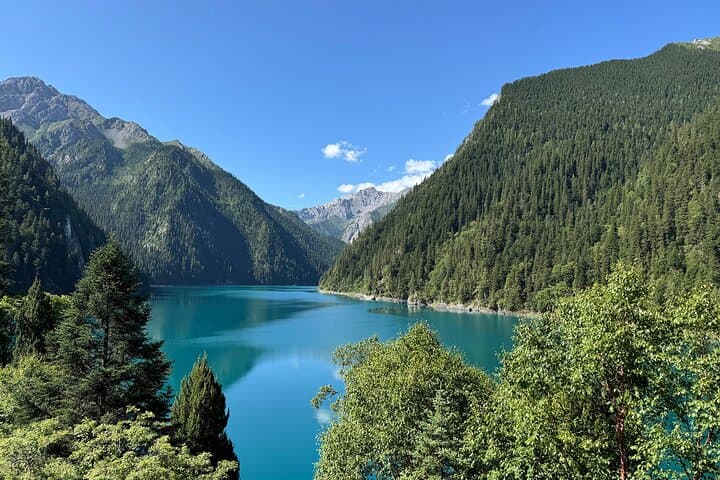
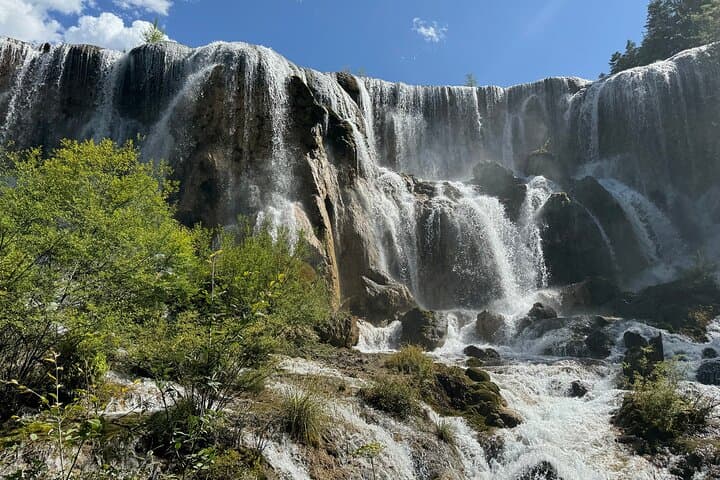
You arrive to a valley where water refuses to be ordinary: lakes shift from turquoise to jade, terraced by mineral-rich deposits, and boardwalks thread through forested hummocks that catch the light. The sightseeing bus drops you at wooden platforms; each view feels like a small discovery—Lush riparian forest, mirrored lakes, and waterfalls that push the air with mist.
You arrive to a valley where water refuses to be ordinary: lakes shift from turquoise to jade, terraced by mineral-rich deposits, and boardwalks thread through forested hummocks that catch the light. The sightseeing bus drops you at wooden platforms; each view feels like a small discovery—Lush riparian forest, mirrored lakes, and waterfalls that push the air with mist.
Jiuzhaigou was recognized as a UNESCO World Heritage site in the early 1990s and sits in a glacially carved valley of northern Sichuan. Geologically, the landscape is defined by travertine dams and karst-influenced limestone that trap clear water and create multi-tiered basins. The region is also home to Tibetan and Qiang communities—look for local architectural details and cultural touches in nearby villages.
Practicalities shape the visit: tickets are time-slot specific, with peak-season slots at 07:30–10:00, 10:00–12:00, and 12:00–14:00; off-season has shortened hours. Inside sightseeing buses connect the main highlights, but expect several kilometers of walking on boardwalks and uneven paths; plan 4–7 hours for a proper loop. Altitude ranges around 2,000–3,000 m, so pace yourself and carry water.
Best times to visit are spring for flowers and autumn for vivid foliage. Bring layered clothing for cool mornings and sun protection for midday. Show your passport at the gate for entry and be prepared for steady pedestrian traffic at viewing platforms. With modest fitness and sensible planning, Jiuzhaigou delivers vivid color, quiet forest air, and a landscape that feels engineered by water itself.