THE ADVENTURE COLLECTIVE® · Independent discovery and booking for outdoor travel

Spend three days moving from Chengdu’s lowlands into Jiuzhaigou and Huanglong’s travertine valleys — a mix of limestone terraces, mirror lakes and Ming-era culture. Practical tips cover altitude, timing, transport and what to pack.
Spend three days moving from Chengdu’s lowlands into Jiuzhaigou and Huanglong’s travertine valleys — a mix of limestone terraces, mirror lakes and Ming-era culture. Practical tips cover altitude, timing, transport and what to pack.
A cold mountain light spills across limestone terraces as the minibus drops you at the Jiuzhaigou entrance.
Verified experiences and guided adventures in the surrounding area.
Operated by MyPandaTours · Jiuzhaigou, Sichuan
A cold mountain light spills across limestone terraces as the minibus drops you at the Jiuzhaigou entrance.
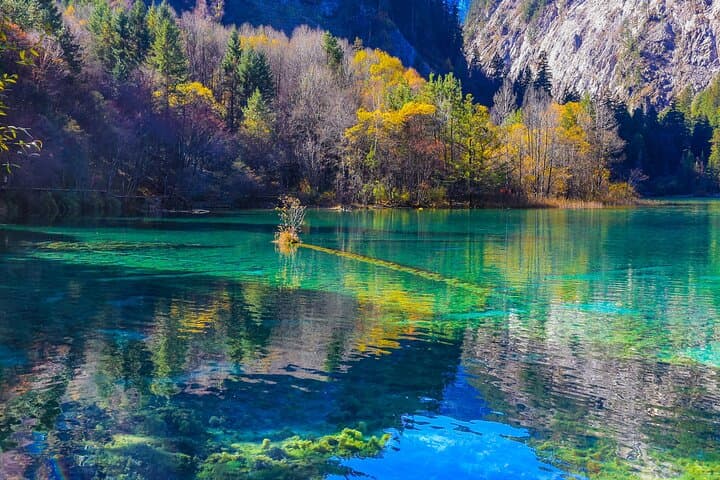
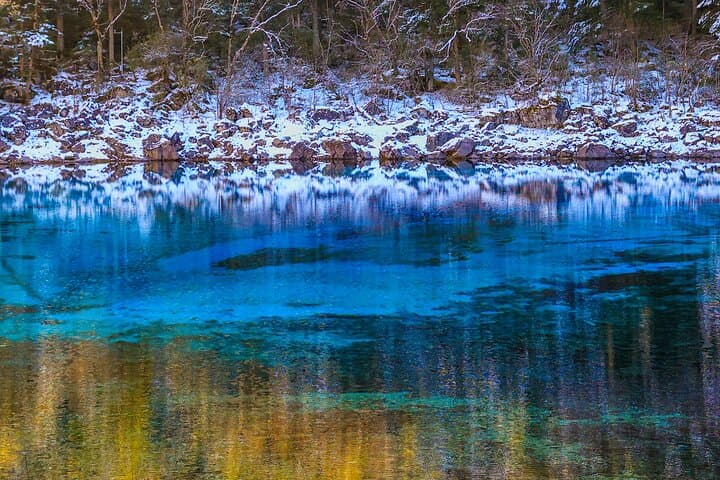
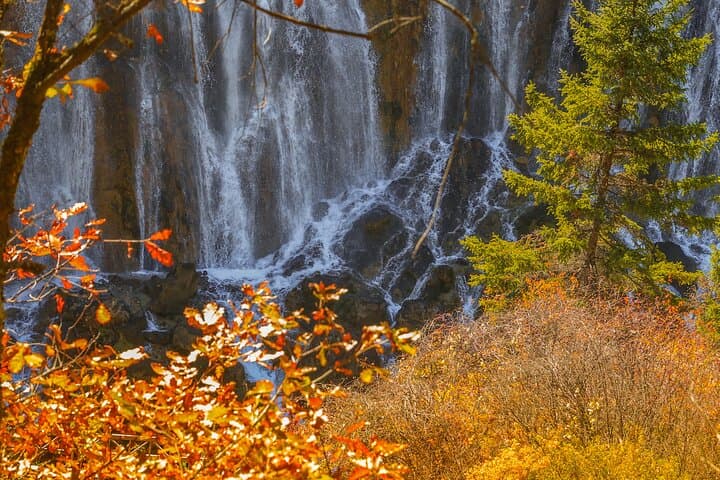
On day one the road climbs through karst-cut ridgelines toward Huanglong, where ivory travertine pools step down the valley like a carved staircase. The limestone here has been worked by mineral-rich springs for millennia; water teases out vivid calcium bands that change from jade to ochre with the angle of sun and season. Day two is all surface water — shuttle buses thread Jiuzhaigou’s three main valleys past mirror lakes, cascade lines and virgin forest. Rivers dare you to follow their curves; waterfalls push forward with steady, patient force.
This route threads natural history with human history: Songzhou Ancient City was a Ming-era trade hub on the Tea-Horse Road, and Pingwu’s Bao’en Temple (1440 AD) is a rare surviving wooden palace-style monastery. Both speak to the deep cultural crossroads of Tibetan, Qiang and Han peoples.
Practical edge: the itinerary is transport-heavy — expect two long drives (9 and 8 hours) and valley walking at 1,900–3,100 m elevation. Jiuzhaigou operates shuttle buses; private cars are not allowed. Cable cars in Huanglong save a steep ascent but may be seasonally closed (check dates). Altitude can affect breath and pace; move slowly, hydrate, and plan early starts to beat the crowds. Footwear should handle wet boardwalks and shallow scree. Allow buffer time for unpredictable mountain traffic and avoid booking same-day outbound flights from Chengdu at tour end.
moderate.
3 days.
Light-to-moderate fitness: able to walk several hours on boardwalks and short uphill stretches at altitude.
Yes — entrance fees for Jiuzhaigou and Huanglong are commonly included with organized tours but verify ticketing and opening dates ahead of travel.
Elevations reach about 3,100 m; many travelers feel mild symptoms. Move slowly, hydrate, avoid heavy exertion the first day, and consult a doctor about preventive medication.
Jiuzhaigou prohibits private vehicles inside the scenic area; shuttle buses are the standard internal transport and are typically included in organized visits.
Not always — the cable car can close seasonally or for maintenance (notably reported closures in early December); check current status before booking.
The route links Ming-era Songzhou, a Tea-Horse Road waystation, with Bao’en Temple (built 1440 AD), reflecting centuries of trade and cross-cultural exchange.
Jiuzhaigou and Huanglong are UNESCO-listed with strict visitor controls—stay on boardwalks, don’t feed wildlife, and minimize plastic waste to protect fragile travertine pools.
MyPandaTours operates guided outdoor trips and adventures with an emphasis on safety, stewardship, and memorable experiences.
A cold mountain light spills across limestone terraces as the minibus drops you at the Jiuzhaigou entrance.
A cold mountain light spills across limestone terraces as the minibus drops you at the Jiuzhaigou entrance.
On day one the road climbs through karst-cut ridgelines toward Huanglong, where ivory travertine pools step down the valley like a carved staircase. The limestone here has been worked by mineral-rich springs for millennia; water teases out vivid calcium bands that change from jade to ochre with the angle of sun and season. Day two is all surface water — shuttle buses thread Jiuzhaigou’s three main valleys past mirror lakes, cascade lines and virgin forest. Rivers dare you to follow their curves; waterfalls push forward with steady, patient force.
This route threads natural history with human history: Songzhou Ancient City was a Ming-era trade hub on the Tea-Horse Road, and Pingwu’s Bao’en Temple (1440 AD) is a rare surviving wooden palace-style monastery. Both speak to the deep cultural crossroads of Tibetan, Qiang and Han peoples.
Practical edge: the itinerary is transport-heavy — expect two long drives (9 and 8 hours) and valley walking at 1,900–3,100 m elevation. Jiuzhaigou operates shuttle buses; private cars are not allowed. Cable cars in Huanglong save a steep ascent but may be seasonally closed (check dates). Altitude can affect breath and pace; move slowly, hydrate, and plan early starts to beat the crowds. Footwear should handle wet boardwalks and shallow scree. Allow buffer time for unpredictable mountain traffic and avoid booking same-day outbound flights from Chengdu at tour end.