THE ADVENTURE COLLECTIVE® · Independent discovery and booking for outdoor travel

Tackle a dramatic day hike along Jinshanling’s mix of restored and wild Great Wall—tower views, steep steps and 7 km of ridgeline walking. This self-guided group option from Beijing suits active hikers ready for uneven stone and big vistas.
Tackle a dramatic day hike along Jinshanling’s mix of restored and wild Great Wall—tower views, steep steps and 7 km of ridgeline walking. This self-guided group option from Beijing suits active hikers ready for uneven stone and big vistas.
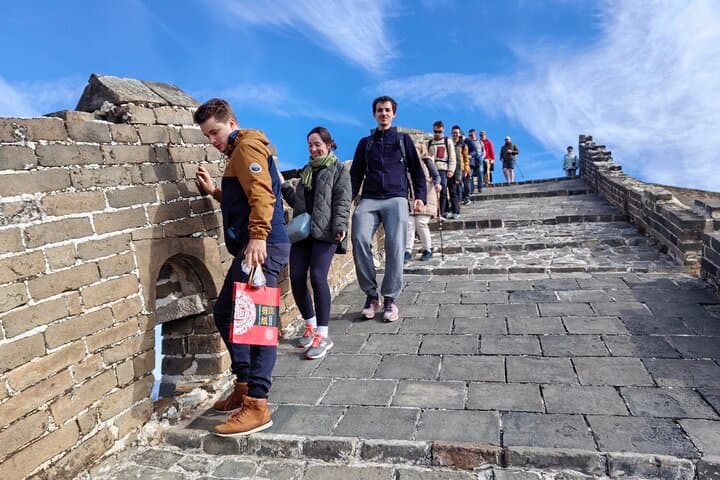
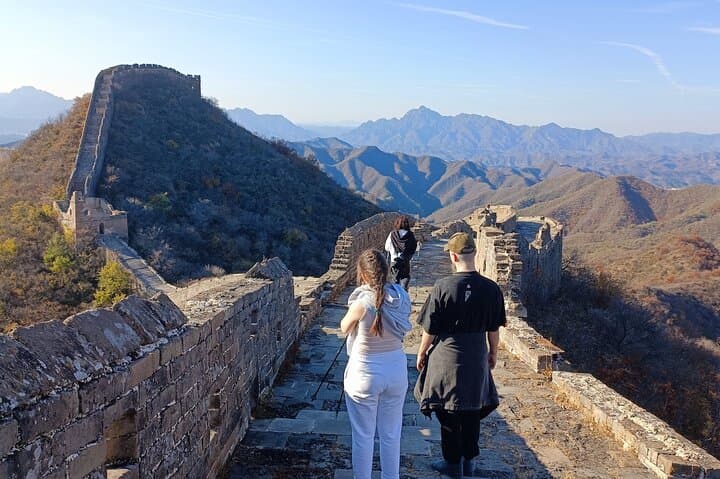
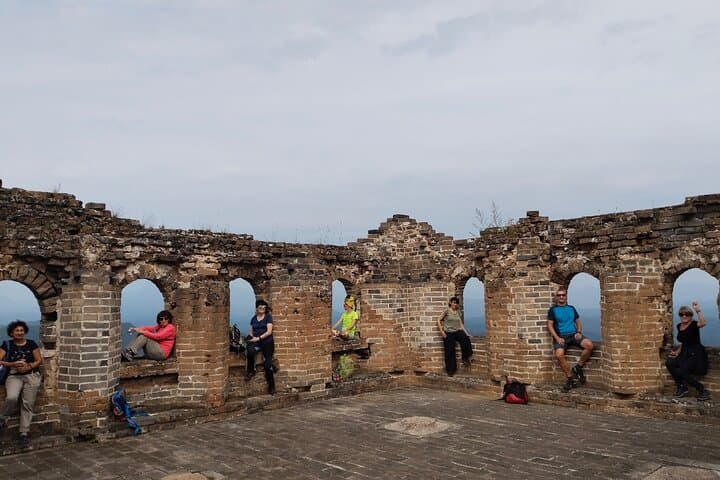
Morning light finds the Jinshanling ridgeline sharpening into stone and shadow. You climb from a parking lot into a sequence of restored and wild wall—tower after tower rising like watchful hosts—and the path shifts between solid brick, broken steps and original tamped earth. Wind moves through the crenellations, nudging you forward to the next viewpoint.
Verified experiences and guided adventures in the surrounding area.
Operated by Great Wall Hiking · Luanping County, Hebei
Morning light finds the Jinshanling ridgeline sharpening into stone and shadow. You climb from a parking lot into a sequence of restored and wild wall—tower after tower rising like watchful hosts—and the path shifts between solid brick, broken steps and original tamped earth. Wind moves through the crenellations, nudging you forward to the next viewpoint.
This stretch of the Great Wall dates mainly to the Ming dynasty (14th–17th centuries) and follows ridgelines carved from local granite and sandstone; erosion and reconstruction create abrupt transitions between intact battlements and ruined stretches that feel much older. The communities below are rural Hebei—small farms, seasonal crops and a culture shaped by centuries of travel along these corridors.
Expect long stair sequences, exposed ridgelines and sweeping views across valleys that reveal the wall’s military logic: watchtowers spaced to signal and observe. On clear days the line of towers reads like a stitched seam across the hills; on hazy days the towers emerge as islands in mist.
Practical guidance: plan 3–4 hours for the mid-to-east loop (≈7 km, up to 450 m elevation gain) or shorter returns if you prefer gentler terrain. Wear supportive hiking boots and use trekking poles for steep, uneven steps. Carry 1–2 liters of water, sun protection and layered clothing—the wind can be sharp even when Beijing is warm. Facilities are limited to the trailheads; mobile reception is patchy.
Start early to avoid traffic and crowds coming from Beijing, and bring cash and ID for entrance and parking fees. With preparation, Jinshanling delivers dramatic viewpoints, photography opportunities and a tangible sense of the Wall’s scale.
challenging.
6 hours.
Requires good cardiovascular fitness and leg strength; comfortable on long stair climbs and uneven terrain.
The common mid-to-east loop is about 7 km and takes 3.5–4 hours; shorter return options exist that take about 2.5–3.5 hours.
Many day-trip packages include entrance fees and round-trip transport from Beijing—confirm at booking. Otherwise bring cash for fees.
Basic toilets are available at parking areas and some gates; expect limited facilities on the actual ridgeline—plan accordingly.
There are gentler return routes for those with limited mobility, but the full 7 km route has steep steps and up to 450 m gain—assess fitness and joint health before attempting.
Jinshanling’s surviving structures are mainly Ming-era rebuilds on older foundations; the watchtowers were built for signaling and layered defense along strategic ridgelines.
Erosion and tourism pressure are managed through controlled access and entrance fees; stay on marked paths and avoid removing stones to reduce damage.
Great Wall Hiking operates guided outdoor trips and adventures with an emphasis on safety, stewardship, and memorable experiences.

Morning light finds the Jinshanling ridgeline sharpening into stone and shadow. You climb from a parking lot into a sequence of restored and wild wall—tower after tower rising like watchful hosts—and the path shifts between solid brick, broken steps and original tamped earth. Wind moves through the crenellations, nudging you forward to the next viewpoint.
Morning light finds the Jinshanling ridgeline sharpening into stone and shadow. You climb from a parking lot into a sequence of restored and wild wall—tower after tower rising like watchful hosts—and the path shifts between solid brick, broken steps and original tamped earth. Wind moves through the crenellations, nudging you forward to the next viewpoint.
This stretch of the Great Wall dates mainly to the Ming dynasty (14th–17th centuries) and follows ridgelines carved from local granite and sandstone; erosion and reconstruction create abrupt transitions between intact battlements and ruined stretches that feel much older. The communities below are rural Hebei—small farms, seasonal crops and a culture shaped by centuries of travel along these corridors.
Expect long stair sequences, exposed ridgelines and sweeping views across valleys that reveal the wall’s military logic: watchtowers spaced to signal and observe. On clear days the line of towers reads like a stitched seam across the hills; on hazy days the towers emerge as islands in mist.
Practical guidance: plan 3–4 hours for the mid-to-east loop (≈7 km, up to 450 m elevation gain) or shorter returns if you prefer gentler terrain. Wear supportive hiking boots and use trekking poles for steep, uneven steps. Carry 1–2 liters of water, sun protection and layered clothing—the wind can be sharp even when Beijing is warm. Facilities are limited to the trailheads; mobile reception is patchy.
Start early to avoid traffic and crowds coming from Beijing, and bring cash and ID for entrance and parking fees. With preparation, Jinshanling delivers dramatic viewpoints, photography opportunities and a tangible sense of the Wall’s scale.