THE ADVENTURE COLLECTIVE® · Independent discovery and booking for outdoor travel

Walk away from Beijing for a concentrated day on the Jinshanling Great Wall: a 6–8 km small-group hike that blends restored ramps with wild, unrestored towers. Expect steep stairs, ridge-top views, round-trip transfer, and a clear mix of history and raw landscape.
Walk away from Beijing for a concentrated day on the Jinshanling Great Wall: a 6–8 km small-group hike that blends restored ramps with wild, unrestored towers. Expect steep stairs, ridge-top views, round-trip transfer, and a clear mix of history and raw landscape.
Morning light slices across stone parapets as the minivan climbs out of Beijing’s sprawl and the wall appears—first as a spine of bricks, then as a series of towers marching over ridgelines. By the time you step onto Jinshanling the city is a memory and the wall becomes a physical map: steps that bite, uneven paths, and watchtowers that punctuate the trail.
Verified experiences and guided adventures in the surrounding area.
Operated by [email protected] · Luanping County, Hebei
Morning light slices across stone parapets as the minivan climbs out of Beijing’s sprawl and the wall appears—first as a spine of bricks, then as a series of towers marching over ridgelines. By the time you step onto Jinshanling the city is a memory and the wall becomes a physical map: steps that bite, uneven paths, and watchtowers that punctuate the trail.
Jinshanling dates largely to the Ming dynasty and combines carefully restored stretches with unrestored, rugged sections where original brickwork and crumbling crenellations still hold stories of frontier defense. Geologically the ridge is granite and schist, weathered into steep angles that force the wall into dramatic rises and falls; culturally the area sits within Hebei’s rural landscape where small tea stalls and farming villages serve travelers and maintain local rhythms.
Practically: this small-group tour includes round-trip transfer from Beijing (pick-up at Exit C, Zhang Zi Zhong Lu Line 5 around 08:00), entrance ticket, and bottled water. Expect roughly 6–8 km on the wall itself, 3–4 hours of walking over mixed terrain, and an overall day of about 8–9 hours including transit. Tower numbers are marked in English, so navigation is straightforward; the route mixes steep stone steps, narrow ridgelines, and uneven packed-earth paths.
Bring sturdy shoes, layered clothing, sunscreen, and your passport for ticketing. Pace conservatively on unrestored sections, keep to official paths, and allow time at viewpoints—the watchtowers are made for standing still and letting the wind tell the story.
moderate.
8–9 hours (including transport).
Suitable for hikers with regular walking fitness; be comfortable with sustained stair climbs and uneven terrain for 3–4 hours.
Yes—this tour includes the Jinshanling entrance ticket and round-trip transfer from Beijing; the driver typically purchases tickets and directs you to the trailhead.
Expect about 6–8 km on the wall, 3–4 hours of hiking over mixed restored and unrestored sections; the route is moderately strenuous with many stone steps.
Pick-up is usually at Exit C of Zhangzi Zhonglu subway station (Line 5) around 08:00; the operator confirms the exact time when you book.
Yes—the ticketing process requires a passport for admission, so bring the original document on the day of the tour.
Most of the visible structure at Jinshanling was built or reinforced during the Ming dynasty as part of a defensive network; the mix of restored and wild sections reflects long-term preservation efforts.
The site balances restoration with protection—stay on marked paths, avoid dislodging bricks, and support local conservation by following rules and carrying out waste.
[email protected] operates guided outdoor trips and adventures with an emphasis on safety, stewardship, and memorable experiences.
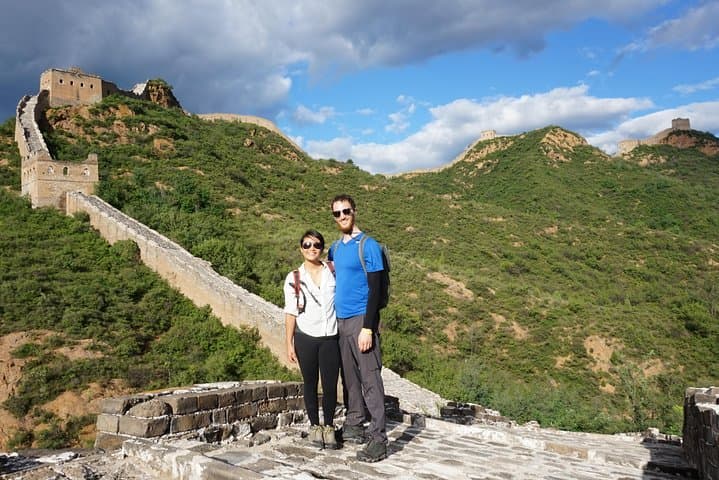
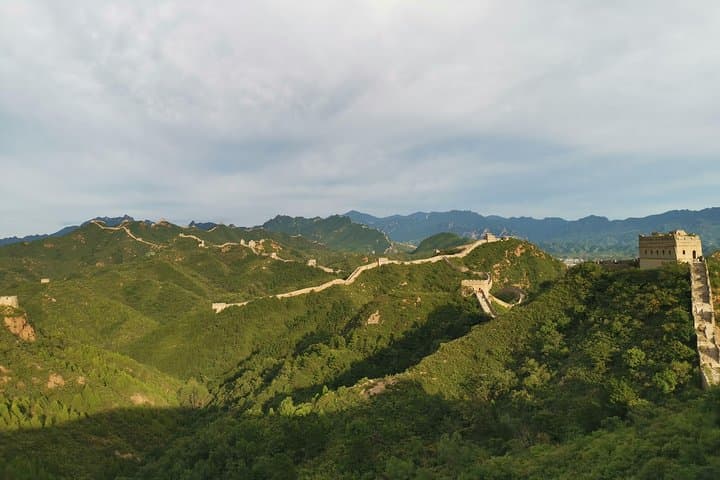
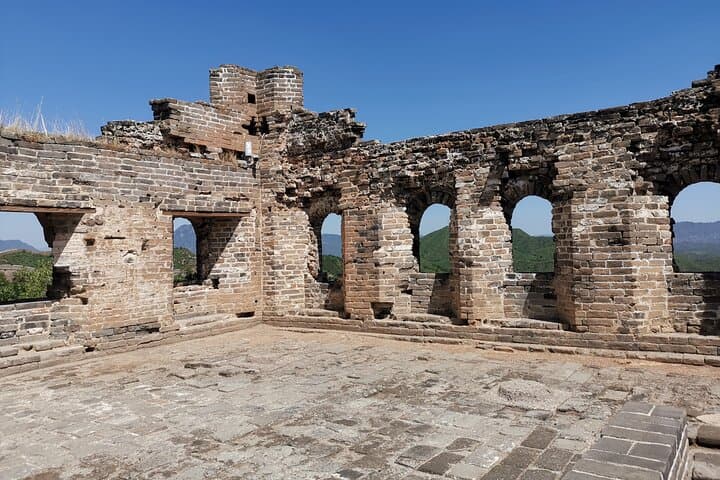
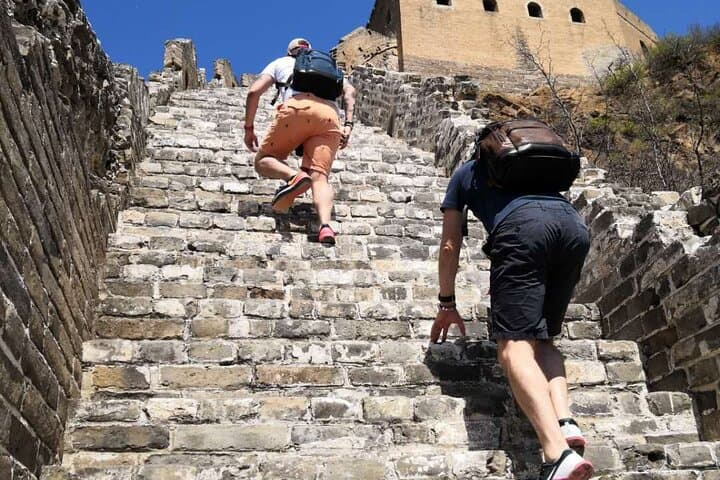
Morning light slices across stone parapets as the minivan climbs out of Beijing’s sprawl and the wall appears—first as a spine of bricks, then as a series of towers marching over ridgelines. By the time you step onto Jinshanling the city is a memory and the wall becomes a physical map: steps that bite, uneven paths, and watchtowers that punctuate the trail.
Morning light slices across stone parapets as the minivan climbs out of Beijing’s sprawl and the wall appears—first as a spine of bricks, then as a series of towers marching over ridgelines. By the time you step onto Jinshanling the city is a memory and the wall becomes a physical map: steps that bite, uneven paths, and watchtowers that punctuate the trail.
Jinshanling dates largely to the Ming dynasty and combines carefully restored stretches with unrestored, rugged sections where original brickwork and crumbling crenellations still hold stories of frontier defense. Geologically the ridge is granite and schist, weathered into steep angles that force the wall into dramatic rises and falls; culturally the area sits within Hebei’s rural landscape where small tea stalls and farming villages serve travelers and maintain local rhythms.
Practically: this small-group tour includes round-trip transfer from Beijing (pick-up at Exit C, Zhang Zi Zhong Lu Line 5 around 08:00), entrance ticket, and bottled water. Expect roughly 6–8 km on the wall itself, 3–4 hours of walking over mixed terrain, and an overall day of about 8–9 hours including transit. Tower numbers are marked in English, so navigation is straightforward; the route mixes steep stone steps, narrow ridgelines, and uneven packed-earth paths.
Bring sturdy shoes, layered clothing, sunscreen, and your passport for ticketing. Pace conservatively on unrestored sections, keep to official paths, and allow time at viewpoints—the watchtowers are made for standing still and letting the wind tell the story.