THE ADVENTURE COLLECTIVE® · Independent discovery and booking for outdoor travel

Spend a full day chasing cherry blossoms from Busan to Jinhae: riverside walks, a vintage railway lined in pink, local snacks, and a short summit option for sweeping views. This guided day trip bundles history, culture, and peak-spring scenery into an easy, well-organized outing.
Spend a full day chasing cherry blossoms from Busan to Jinhae: riverside walks, a vintage railway lined in pink, local snacks, and a short summit option for sweeping views. This guided day trip bundles history, culture, and peak-spring scenery into an easy, well-organized outing.
The bus eases out of Busan and the city gives way to low hills; by the time you step onto Yeojwacheon’s riverside path the air smells faintly of wet wood and sugar — cherry petals drifting like pale confetti.
Verified experiences and guided adventures in the surrounding area.
Operated by KOREA DISCOVERY TOUR · Jinhae (Changwon), South Gyeongsang
The bus eases out of Busan and the city gives way to low hills; by the time you step onto Yeojwacheon’s riverside path the air smells faintly of wet wood and sugar — cherry petals drifting like pale confetti.
Jinhae, now part of Changwon in South Gyeongsang Province, became famous for its spring blossoms around a naval port and early-20th-century streets. The main festival route follows streets and a narrow stream lined with Prunus trees; historical notes linger here too, from the 1912 Jinhae Post Office to the retired railway that now frames a tunnel of pink. Geologically the area is low-lying coastal plain cut by small streams and gentle hills; Jehwangsan offers a short climb for panoramic views if you opt for the monorail or the footpath.
Expect slow, pedestrian-friendly walking: hour-long strolls along Yeojwacheon and the disused railway platform, plus time on the festival main street for food and local shops. Culture leans toward casual celebration — street vendors, local eateries, and families spreading mats beneath the trees. The guide handles logistics: pickup in Busan, timed entry points, and a clear route so you don’t waste peak light.
Practical edge: arrive early to avoid peak procession times, carry small bills for street food, and pick a viewing spot on the stream bank for photos during the golden hour. Bring layered outerwear — spring weather can switch between sun and a chilly breeze off the bay — and a lightweight daypack for essentials. The trip is low-impact but high in people and petals; plan timing around the bloom forecast for the best spectacle.
easy.
7–8 hours.
Suitable for most fitness levels; involves multiple 30–90 minute walks on flat urban paths and short optional climbs up well-maintained trails or a monorail ride.
The operator offers four convenient pickup locations across Busan; your confirmation lists the specific pickup point you select at booking.
No — lunch is on your own with time allocated to explore festival eateries and street food along the main street.
Expect two to three one-hour walking segments on mostly flat, paved, or packed paths; an optional short climb to Jehwangsan is available but can be avoided via monorail.
Yes — the tour notes stroller accessibility and allows infants, but infants must sit on an adult’s lap on transport; festival streets may be crowded so plan accordingly.
Jinhae grew as a naval port and developed a distinct festival culture; the 1912 Jinhae Post Office and the disused railway reflect the town’s early 20th-century modernization.
High visitor numbers during bloom weeks can stress trees and soil; stick to designated paths, avoid trampling root zones, and support local vendors who practice low-impact operations.
KOREA DISCOVERY TOUR operates guided outdoor trips and adventures with an emphasis on safety, stewardship, and memorable experiences.
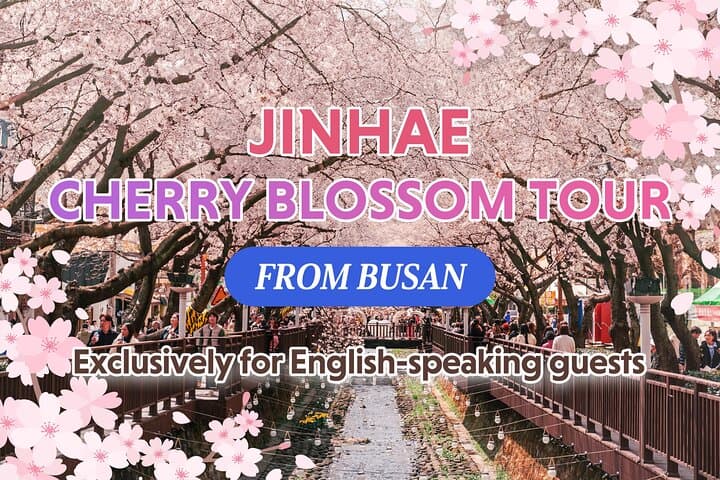
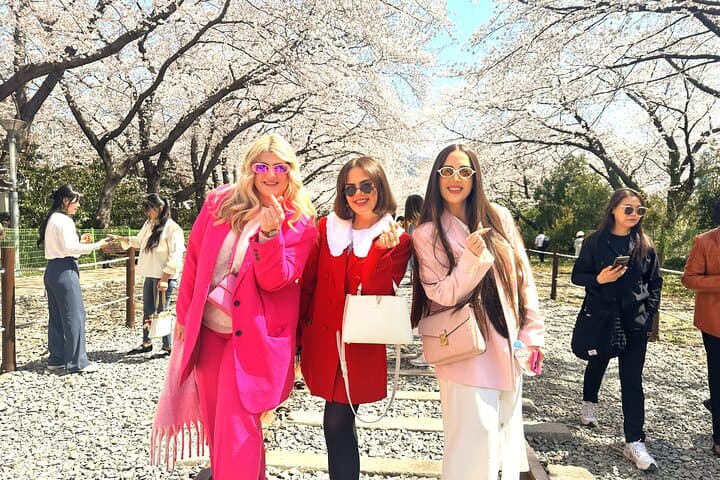
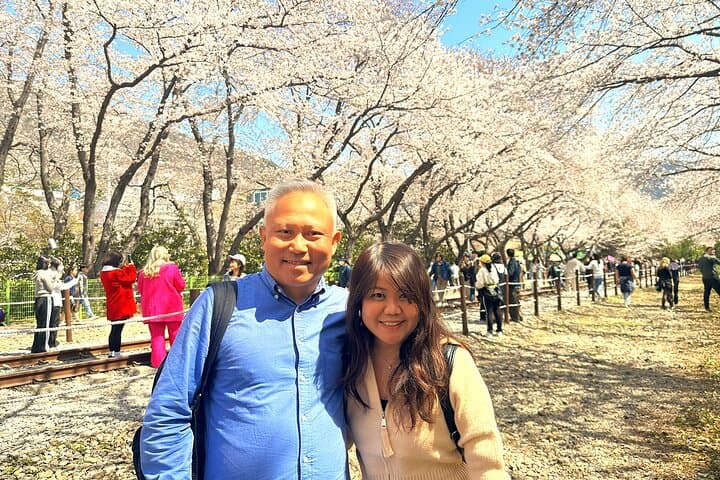
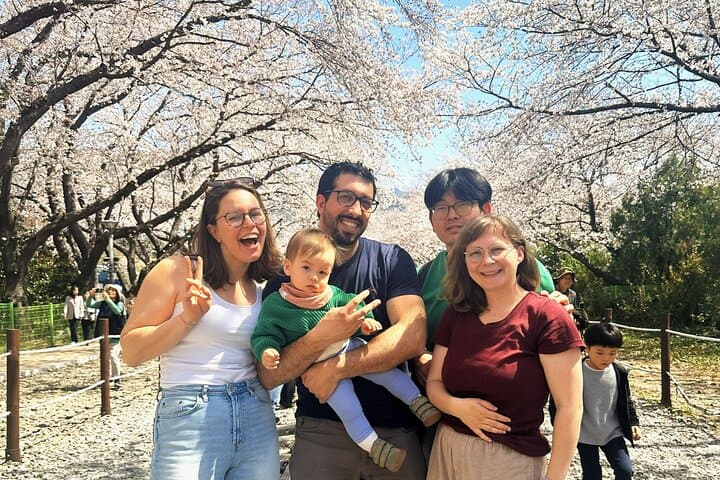
The bus eases out of Busan and the city gives way to low hills; by the time you step onto Yeojwacheon’s riverside path the air smells faintly of wet wood and sugar — cherry petals drifting like pale confetti.
The bus eases out of Busan and the city gives way to low hills; by the time you step onto Yeojwacheon’s riverside path the air smells faintly of wet wood and sugar — cherry petals drifting like pale confetti.
Jinhae, now part of Changwon in South Gyeongsang Province, became famous for its spring blossoms around a naval port and early-20th-century streets. The main festival route follows streets and a narrow stream lined with Prunus trees; historical notes linger here too, from the 1912 Jinhae Post Office to the retired railway that now frames a tunnel of pink. Geologically the area is low-lying coastal plain cut by small streams and gentle hills; Jehwangsan offers a short climb for panoramic views if you opt for the monorail or the footpath.
Expect slow, pedestrian-friendly walking: hour-long strolls along Yeojwacheon and the disused railway platform, plus time on the festival main street for food and local shops. Culture leans toward casual celebration — street vendors, local eateries, and families spreading mats beneath the trees. The guide handles logistics: pickup in Busan, timed entry points, and a clear route so you don’t waste peak light.
Practical edge: arrive early to avoid peak procession times, carry small bills for street food, and pick a viewing spot on the stream bank for photos during the golden hour. Bring layered outerwear — spring weather can switch between sun and a chilly breeze off the bay — and a lightweight daypack for essentials. The trip is low-impact but high in people and petals; plan timing around the bloom forecast for the best spectacle.