THE ADVENTURE COLLECTIVE® · Independent discovery and booking for outdoor travel

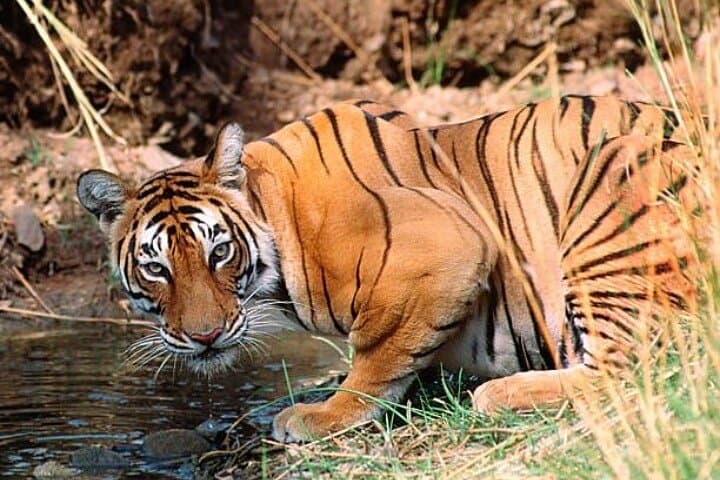
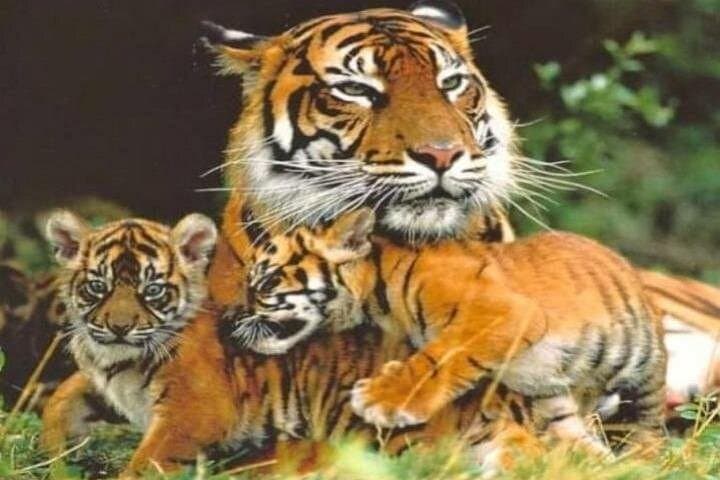
Spend two nights at Jim Corbett exploring riverine plains, grasslands and village edges in search of Bengal tigers, elephants and resident birds. Early-morning safaris and guided walks, plus local temples and a small museum, make this a compact, wildlife-focused break.
Spend two nights at Jim Corbett exploring riverine plains, grasslands and village edges in search of Bengal tigers, elephants and resident birds. Early-morning safaris and guided walks, plus local temples and a small museum, make this a compact, wildlife-focused break.
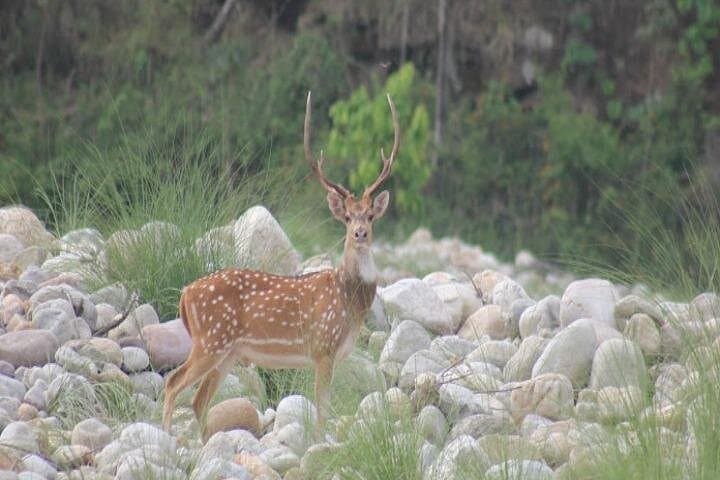
Dawn in Jim Corbett arrives with a low mist over the Ramganga, and a diesel jeep pushes through tall grass as warblers begin to call. The first light paints the dry riverbed and the floodplain in sharp relief; trees lean toward the water like old sentries. This is a place where sound matters—footfalls, bird calls, the distant bark of a sambar—and the landscape answers.
Verified experiences and guided adventures in the surrounding area.
Operated by www.Happyweekands.com · Ramnagar, Uttarakhand
Dawn in Jim Corbett arrives with a low mist over the Ramganga, and a diesel jeep pushes through tall grass as warblers begin to call. The first light paints the dry riverbed and the floodplain in sharp relief; trees lean toward the water like old sentries. This is a place where sound matters—footfalls, bird calls, the distant bark of a sambar—and the landscape answers.
Set in the foothills of the central Himalaya, Jim Corbett National Park (about 520 km²) is one of India’s oldest reserves, created in 1936 and later renamed for hunter-turned-conservationist Jim Corbett. Geology here shifts from river terraces and alluvial plains to low, rocky hills capped by sal and mixed deciduous forest. Cultural life centers in small villages around Ramnagar and Kaladhungi; Garjia Temple and the Corbett Museum provide local context for the people who live alongside this wildlife.
Over two nights visitors can expect early-morning and late-afternoon jeep safaris in zones like Dhikala and Sonanadi, short guided walks near lodges, and time for birding—kingfishers, egrets and raptors are common. Practical planning matters: permits and park timings are strict, roads are rough, and sightings are never guaranteed.
Bring layered clothing for cool mornings, a camera with a long lens, and binoculars; hydrate and carry insect protection. Aim for dawn safaris when animals are most active and keep noise low. Respect park rules, follow your naturalist’s advice, and leave campfires and litter behind—Corbett’s future depends on careful visitors as much as on policy.
easy.
2 nights (approx. 48 hours).
Suitable for most travelers who can manage short walks and sit for multiple jeep safaris; minimal sustained exertion.
No—sightings depend on animal movement and luck; operators increase chances via experienced guides and timing, but no guarantee is possible.
Permits vary by package—confirm with the operator whether zone entry fees, guide charges and vehicle permits are included before booking.
October to June is generally best; winters (Nov–Feb) offer clear mornings and concentrated animal activity, while pre-monsoon months have more sightings at water sources.
Children can join but must follow park rules; operators often require lap seating for infants and may restrict certain core-zone entries for safety.
Originally established in 1936 as Hailey National Park, the reserve was later renamed for Jim Corbett and became a founding area of India’s Project Tiger efforts.
Jim Corbett is a core tiger reserve—visitors should minimize disturbance, avoid off-trail movement and support lodges that follow waste and water-management best practices.
www.Happyweekands.com operates guided outdoor trips and adventures with an emphasis on safety, stewardship, and memorable experiences.
Dawn in Jim Corbett arrives with a low mist over the Ramganga, and a diesel jeep pushes through tall grass as warblers begin to call. The first light paints the dry riverbed and the floodplain in sharp relief; trees lean toward the water like old sentries. This is a place where sound matters—footfalls, bird calls, the distant bark of a sambar—and the landscape answers.
Dawn in Jim Corbett arrives with a low mist over the Ramganga, and a diesel jeep pushes through tall grass as warblers begin to call. The first light paints the dry riverbed and the floodplain in sharp relief; trees lean toward the water like old sentries. This is a place where sound matters—footfalls, bird calls, the distant bark of a sambar—and the landscape answers.
Set in the foothills of the central Himalaya, Jim Corbett National Park (about 520 km²) is one of India’s oldest reserves, created in 1936 and later renamed for hunter-turned-conservationist Jim Corbett. Geology here shifts from river terraces and alluvial plains to low, rocky hills capped by sal and mixed deciduous forest. Cultural life centers in small villages around Ramnagar and Kaladhungi; Garjia Temple and the Corbett Museum provide local context for the people who live alongside this wildlife.
Over two nights visitors can expect early-morning and late-afternoon jeep safaris in zones like Dhikala and Sonanadi, short guided walks near lodges, and time for birding—kingfishers, egrets and raptors are common. Practical planning matters: permits and park timings are strict, roads are rough, and sightings are never guaranteed.
Bring layered clothing for cool mornings, a camera with a long lens, and binoculars; hydrate and carry insect protection. Aim for dawn safaris when animals are most active and keep noise low. Respect park rules, follow your naturalist’s advice, and leave campfires and litter behind—Corbett’s future depends on careful visitors as much as on policy.