THE ADVENTURE COLLECTIVE® · Independent discovery and booking for outdoor travel

Hike from the rugged, unrestored towers of Jiankou across ridge-top watchtowers to the restored terraces of Mutianyu. Expect rough stone, panoramic views and a fun toboggan or cable-car exit—an 8–10 hour day that pairs wild scenery with practical comforts.
Hike from the rugged, unrestored towers of Jiankou across ridge-top watchtowers to the restored terraces of Mutianyu. Expect rough stone, panoramic views and a fun toboggan or cable-car exit—an 8–10 hour day that pairs wild scenery with practical comforts.
You step out of the village morning chill and the Great Wall rises like an old spine across the ridgeline, daring you to follow its uneven steps. The trail from Xizaizhi up to Jiankou quickly sheds the sounds of traffic; wind and stone take over. The unrestored towers here lean and crumble in places, their jagged silhouettes throwing long shadows across terraced forest.
Verified experiences and guided adventures in the surrounding area.
Operated by Great Wall Hiking, Camping and Trekking Operator · Beijing, Beijing
You step out of the village morning chill and the Great Wall rises like an old spine across the ridgeline, daring you to follow its uneven steps. The trail from Xizaizhi up to Jiankou quickly sheds the sounds of traffic; wind and stone take over. The unrestored towers here lean and crumble in places, their jagged silhouettes throwing long shadows across terraced forest.
Jiankou’s cliffs are carved from local limestone and sandstone; erosion and centuries of labor created narrow crenellations and steep climbs. Mutianyu, reached after crossing several ridge-top watchtowers, shows a different chapter: restored battlements, wide paved steps and a cable car that descends toward the parking area. Together they illustrate the Great Wall’s long history—imperial defense lines, local labor, and modern conservation decisions that shape what travelers see today.
The hike covers roughly 10 km (about 6 miles) of mixed terrain, including loose rock, steep stone steps and short scramble sections; expect 4–6 hours of active hiking inside a full-day (8–10 hour) excursion. Photography lovers will find dramatic angles at deserted towers; families can enjoy the toboggan or cable-car descent on the Mutianyu side.
Practical guidance: start early to avoid heat and afternoon haze, bring sturdy footwear with good grip, carry 2–3 liters of water and layered clothing for wind on the ridgeline. Respect fragile masonry—stick to established paths—and allow extra time for slower walkers on narrow sections. With moderate fitness and basic scrambling confidence, this route delivers both raw, wild wall character and the comfortable finish of a restored section.
moderate.
8–10 hours.
Moderate fitness; able to sustain several hours of hiking with short steep scrambles and uneven steps.
The core walking section is about 10 km (6 miles) and typically takes 4–6 hours; the full guided day including transfers and breaks runs 8–10 hours.
Families with school-age children and moderate fitness can do it, but narrow steps and short scramble sections mean it isn’t ideal for very young kids or those with mobility issues.
Yes—Mutianyu offers a cable car and a recommended toboggan ride for the descent; either saves time and provides a fun finish to the day.
This private day tour typically includes in-park admissions to Jiankou and Mutianyu and the Mutianyu shuttle; confirm with your booking provider for exact inclusions.
The Jiankou–Mutianyu area reflects layered history: Jiankou’s unrestored stretches show original Ming-era masonry and erosion, while Mutianyu was restored in modern times for preservation and tourism.
Stick to established paths to protect fragile masonry and vegetation; local conservation efforts focus on controlled restoration at Mutianyu and managing visitor impact on Jiankou’s fragile ruins.
Great Wall Hiking, Camping and Trekking Operator operates guided outdoor trips and adventures with an emphasis on safety, stewardship, and memorable experiences.
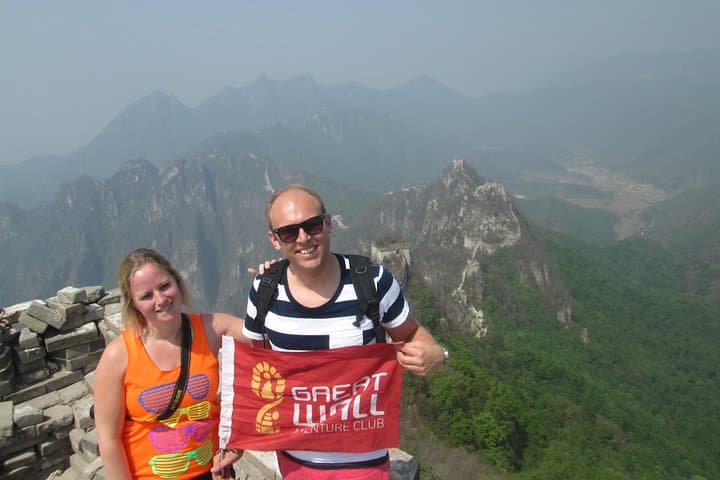
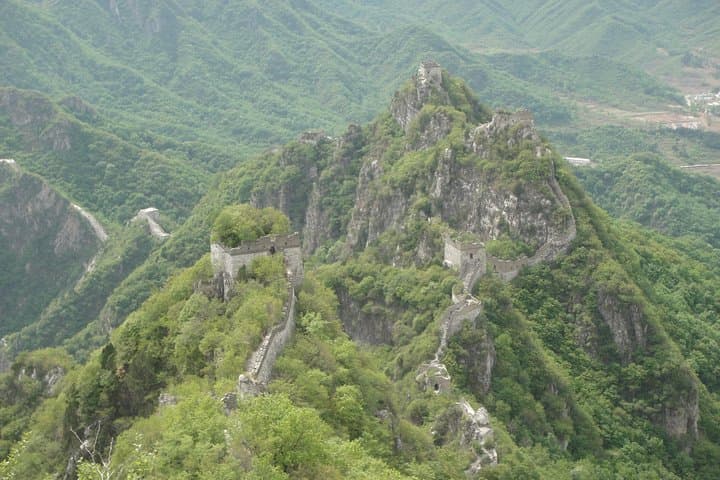
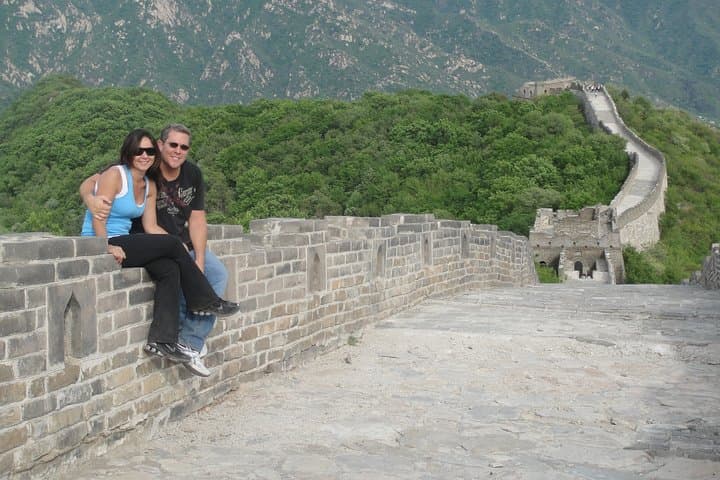
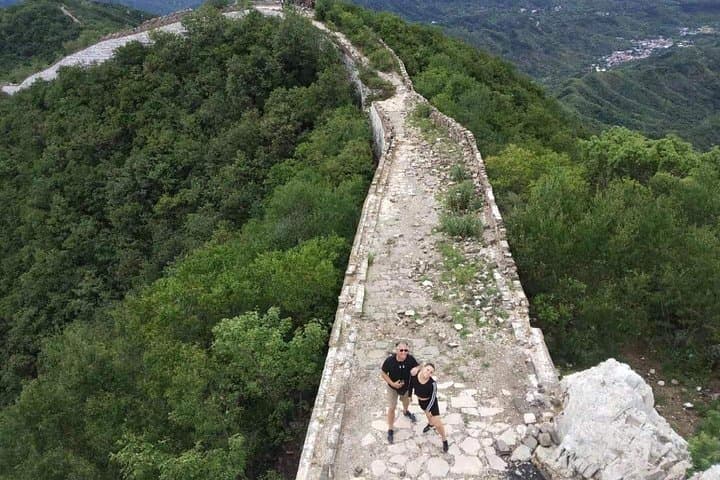
You step out of the village morning chill and the Great Wall rises like an old spine across the ridgeline, daring you to follow its uneven steps. The trail from Xizaizhi up to Jiankou quickly sheds the sounds of traffic; wind and stone take over. The unrestored towers here lean and crumble in places, their jagged silhouettes throwing long shadows across terraced forest.
You step out of the village morning chill and the Great Wall rises like an old spine across the ridgeline, daring you to follow its uneven steps. The trail from Xizaizhi up to Jiankou quickly sheds the sounds of traffic; wind and stone take over. The unrestored towers here lean and crumble in places, their jagged silhouettes throwing long shadows across terraced forest.
Jiankou’s cliffs are carved from local limestone and sandstone; erosion and centuries of labor created narrow crenellations and steep climbs. Mutianyu, reached after crossing several ridge-top watchtowers, shows a different chapter: restored battlements, wide paved steps and a cable car that descends toward the parking area. Together they illustrate the Great Wall’s long history—imperial defense lines, local labor, and modern conservation decisions that shape what travelers see today.
The hike covers roughly 10 km (about 6 miles) of mixed terrain, including loose rock, steep stone steps and short scramble sections; expect 4–6 hours of active hiking inside a full-day (8–10 hour) excursion. Photography lovers will find dramatic angles at deserted towers; families can enjoy the toboggan or cable-car descent on the Mutianyu side.
Practical guidance: start early to avoid heat and afternoon haze, bring sturdy footwear with good grip, carry 2–3 liters of water and layered clothing for wind on the ridgeline. Respect fragile masonry—stick to established paths—and allow extra time for slower walkers on narrow sections. With moderate fitness and basic scrambling confidence, this route delivers both raw, wild wall character and the comfortable finish of a restored section.