THE ADVENTURE COLLECTIVE® · Independent discovery and booking for outdoor travel

Trek the dramatic, unrestored Jiankou section and descend the restored Mutianyu wall on a full-day, guided route from Beijing. Expect steep scrambles, limestone ridgelines, and panoramic views of two very different faces of the Ming Great Wall.
Trek the dramatic, unrestored Jiankou section and descend the restored Mutianyu wall on a full-day, guided route from Beijing. Expect steep scrambles, limestone ridgelines, and panoramic views of two very different faces of the Ming Great Wall.
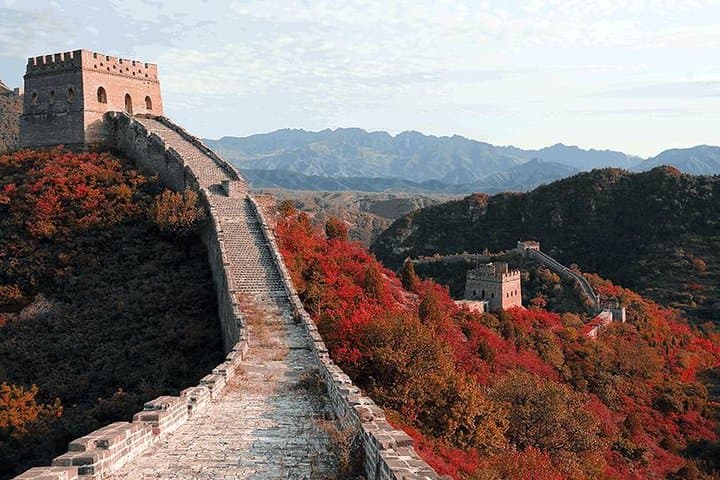
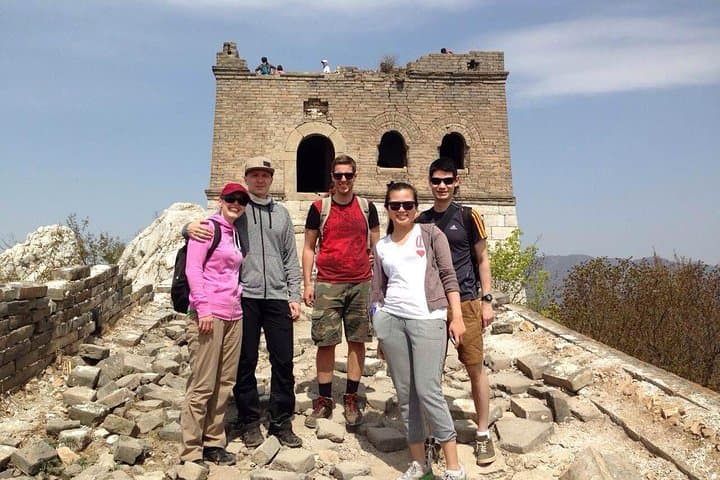
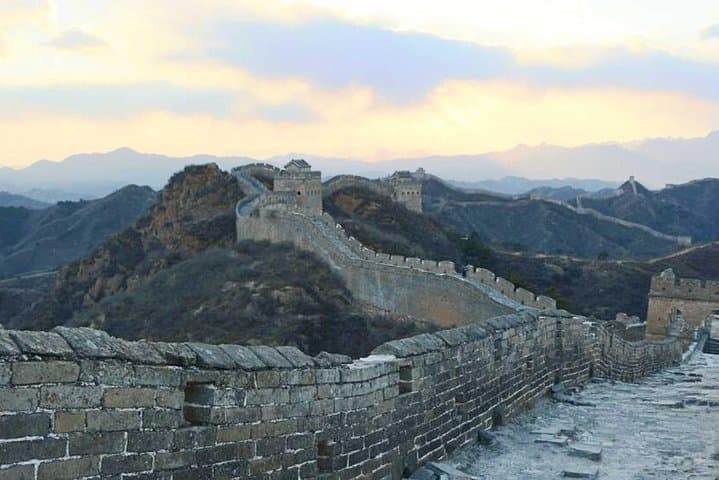
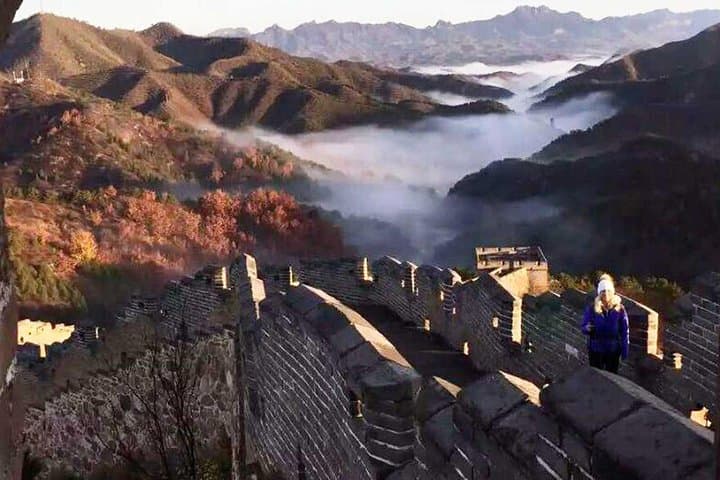
You start before dawn in a Beijing hotel lobby, the city shrinking in the rearview while mountains grow nearer. By the time you step onto the ruined stones of Jiankou the air is colder, the wall jagged and raw — towers lean, steps are uneven, and the ridge dares you to keep moving. Walking east along the original Ming-era ramparts, you climb toward the ruin of Zhengbeilou and a viewpoint that frames Mutianyu like a restored neighbor across a weathered valley.
Verified experiences and guided adventures in the surrounding area.
Operated by China Theme Tour · Beijing, Beijing
You start before dawn in a Beijing hotel lobby, the city shrinking in the rearview while mountains grow nearer. By the time you step onto the ruined stones of Jiankou the air is colder, the wall jagged and raw — towers lean, steps are uneven, and the ridge dares you to keep moving. Walking east along the original Ming-era ramparts, you climb toward the ruin of Zhengbeilou and a viewpoint that frames Mutianyu like a restored neighbor across a weathered valley.
Jiankou and Mutianyu tell two chapters of the Great Wall story: Jiankou’s unrestored, steep masonry carved into limestone ridgelines by the Ming dynasty; Mutianyu’s broad, rebuilt battlements that show the wall’s strategic geometry. Geology here is predominantly Cretaceous limestone and schist, producing sharp ridges and loose scree where erosion has exposed the original structure. Local villages such as Xizhazi remain small and quiet — a reminder this route threads both living culture and abandoned imperial engineering.
Expect roughly 5 hours of trekking on mixed terrain — steep ascents, narrow ridgelines, and restored stairways — with cumulative distance commonly between 8–12 km and 300–600 m of ascent depending on exact route choices.
Practical notes: bring sturdy boots and gloves for scrambling, carry water and a packed lunch or rely on the included local meal, and plan for variable weather by layering. Guided, private transfers from Beijing mean logistics are handled, but physical readiness and good balance are non-negotiable; this is an adventurous route where exposure and loose stone are part of the experience.
challenging.
5–6 hours (hiking) / ~10 hours total including transport.
Requires high aerobic fitness, good balance, and confidence on uneven, exposed terrain
The route is challenging: expect steep climbs, exposed ridgelines, and several sections requiring hand-and-foot scrambling. Good fitness and sure-footedness are necessary.
A guide is strongly recommended for route-finding and safety on Jiankou’s unrestored sections; this tour provides an English-speaking local guide.
Entrance fees for Mutianyu are included by the operator; Jiankou has no official visitor center but access can depend on local regulations and private landowners, which the guide manages.
Bring 1.5–2 L of water for the hike and energy-dense snacks; the tour includes a local lunch at a restaurant after the trek.
This route crosses Ming-dynasty defenses: Jiankou preserves unrestored Ming masonry while Mutianyu shows later restoration aimed at tourism and preservation.
Visitor pressure and erosion threaten unrepaired sections; stick to established lines, avoid removing stones, and follow guide instructions to minimize impact.
China Theme Tour operates guided outdoor trips and adventures with an emphasis on safety, stewardship, and memorable experiences.
You start before dawn in a Beijing hotel lobby, the city shrinking in the rearview while mountains grow nearer. By the time you step onto the ruined stones of Jiankou the air is colder, the wall jagged and raw — towers lean, steps are uneven, and the ridge dares you to keep moving. Walking east along the original Ming-era ramparts, you climb toward the ruin of Zhengbeilou and a viewpoint that frames Mutianyu like a restored neighbor across a weathered valley.
You start before dawn in a Beijing hotel lobby, the city shrinking in the rearview while mountains grow nearer. By the time you step onto the ruined stones of Jiankou the air is colder, the wall jagged and raw — towers lean, steps are uneven, and the ridge dares you to keep moving. Walking east along the original Ming-era ramparts, you climb toward the ruin of Zhengbeilou and a viewpoint that frames Mutianyu like a restored neighbor across a weathered valley.
Jiankou and Mutianyu tell two chapters of the Great Wall story: Jiankou’s unrestored, steep masonry carved into limestone ridgelines by the Ming dynasty; Mutianyu’s broad, rebuilt battlements that show the wall’s strategic geometry. Geology here is predominantly Cretaceous limestone and schist, producing sharp ridges and loose scree where erosion has exposed the original structure. Local villages such as Xizhazi remain small and quiet — a reminder this route threads both living culture and abandoned imperial engineering.
Expect roughly 5 hours of trekking on mixed terrain — steep ascents, narrow ridgelines, and restored stairways — with cumulative distance commonly between 8–12 km and 300–600 m of ascent depending on exact route choices.
Practical notes: bring sturdy boots and gloves for scrambling, carry water and a packed lunch or rely on the included local meal, and plan for variable weather by layering. Guided, private transfers from Beijing mean logistics are handled, but physical readiness and good balance are non-negotiable; this is an adventurous route where exposure and loose stone are part of the experience.