THE ADVENTURE COLLECTIVE® · Independent discovery and booking for outdoor travel

Traverse two contrasting sections of the Great Wall on a single private hike from Beijing. This point-to-point route covers Jiankou’s raw ruins and Mutianyu’s restored towers, offering panoramic views and a physically engaging 6-mile journey.
Traverse two contrasting sections of the Great Wall on a single private hike from Beijing. This point-to-point route covers Jiankou’s raw ruins and Mutianyu’s restored towers, offering panoramic views and a physically engaging 6-mile journey.
Morning light slants across jagged stone as you step out of the vehicle at Xizhazi Village — the air sharp, the path ahead a vertical spine of rock and vegetation. The Jiankou section pushes and prods you: broken towers, crumbling parapets and narrow edges where the wall leans into the basin below. Walking toward Zhenbeilou, the ruined tower, you’ll feel the wall’s age beneath your boots and the landscape pressing in from both sides.
Verified experiences and guided adventures in the surrounding area.
Operated by Beijing Trips Tour Company · Beijing, Beijing
Morning light slants across jagged stone as you step out of the vehicle at Xizhazi Village — the air sharp, the path ahead a vertical spine of rock and vegetation. The Jiankou section pushes and prods you: broken towers, crumbling parapets and narrow edges where the wall leans into the basin below. Walking toward Zhenbeilou, the ruined tower, you’ll feel the wall’s age beneath your boots and the landscape pressing in from both sides.
Jiankou is primarily Ming-dynasty masonry that time and erosion have left raw and exposed; Mutianyu, rebuilt and rounded, represents the contrast between unrestored wilderness and conservation-focused restoration. Geologically the route rides folded hills of Cretaceous sedimentary rock; drainage gullies and seasonal streams carve steep gullies that force the trail to dance along ridgelines. Culturally, these towers were strategic posts — today they offer a living lesson in frontier defense and rural Hebei life in nearby villages.
Practically: this is a point-to-point hike of about 10 km (6 miles), typically 3–5 hours on uneven, sometimes steep terrain with short sections of scrambling and overgrown brush. Expect moderate to challenging footing and intermittent exposure to wind. Wear ankle-supporting boots, pack 2 liters of water, sun protection, and layered clothing for quick temperature shifts. Your guide and driver meet you at your hotel in Beijing and handle logistics; choices to descend at Mutianyu include a hill trail, cable car, or slide — confirm whether those tickets are included in your booking. Start early for softer temperatures and clearer views, and keep a measured pace on the rougher Jiankou steps.
challenging.
3–5 hours (hike); ~8 hours total including transfers.
Suitable for hikers with good stamina, comfort on uneven terrain, and ability to manage short scramble sections
The hiking portion is about 10 km (6 miles) and typically takes 3–5 hours depending on pace and chosen descent option.
Packages vary — entrance fee and some options may be included, but cable car/slide tickets are sometimes extra; confirm at booking.
Expect uneven, steep, and sometimes overgrown sections with short scrambling; it's more demanding than fully restored sections like Badaling.
Yes — private pickup and drop-off from Beijing hotels are normally included as part of the tour.
Jiankou and Mutianyu are largely Ming-dynasty constructions; Jiankou remains largely unrestored while Mutianyu was rehabilitated in the late 20th century.
Erosion and visitor impact are major concerns — stick to established routes, avoid removing stones, and follow your guide to limit footprint.
Beijing Trips Tour Company operates guided outdoor trips and adventures with an emphasis on safety, stewardship, and memorable experiences.
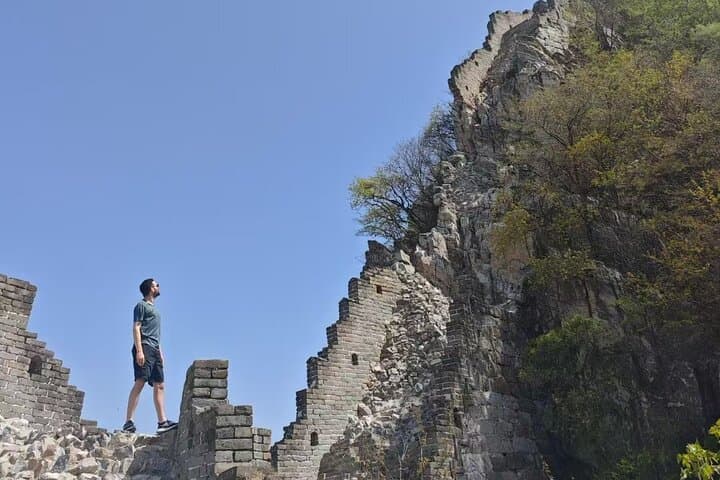

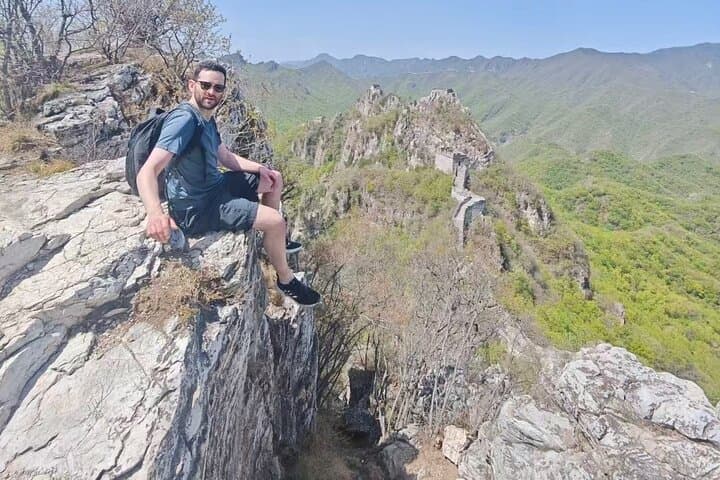
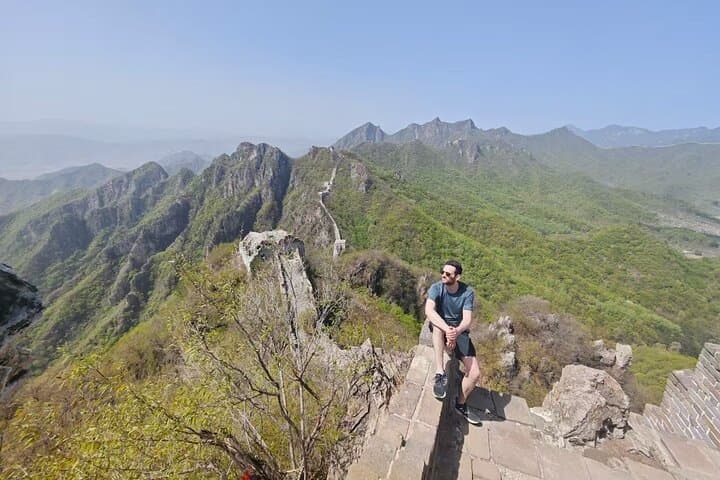
Morning light slants across jagged stone as you step out of the vehicle at Xizhazi Village — the air sharp, the path ahead a vertical spine of rock and vegetation. The Jiankou section pushes and prods you: broken towers, crumbling parapets and narrow edges where the wall leans into the basin below. Walking toward Zhenbeilou, the ruined tower, you’ll feel the wall’s age beneath your boots and the landscape pressing in from both sides.
Morning light slants across jagged stone as you step out of the vehicle at Xizhazi Village — the air sharp, the path ahead a vertical spine of rock and vegetation. The Jiankou section pushes and prods you: broken towers, crumbling parapets and narrow edges where the wall leans into the basin below. Walking toward Zhenbeilou, the ruined tower, you’ll feel the wall’s age beneath your boots and the landscape pressing in from both sides.
Jiankou is primarily Ming-dynasty masonry that time and erosion have left raw and exposed; Mutianyu, rebuilt and rounded, represents the contrast between unrestored wilderness and conservation-focused restoration. Geologically the route rides folded hills of Cretaceous sedimentary rock; drainage gullies and seasonal streams carve steep gullies that force the trail to dance along ridgelines. Culturally, these towers were strategic posts — today they offer a living lesson in frontier defense and rural Hebei life in nearby villages.
Practically: this is a point-to-point hike of about 10 km (6 miles), typically 3–5 hours on uneven, sometimes steep terrain with short sections of scrambling and overgrown brush. Expect moderate to challenging footing and intermittent exposure to wind. Wear ankle-supporting boots, pack 2 liters of water, sun protection, and layered clothing for quick temperature shifts. Your guide and driver meet you at your hotel in Beijing and handle logistics; choices to descend at Mutianyu include a hill trail, cable car, or slide — confirm whether those tickets are included in your booking. Start early for softer temperatures and clearer views, and keep a measured pace on the rougher Jiankou steps.