THE ADVENTURE COLLECTIVE® · Independent discovery and booking for outdoor travel

Walk between Jiankou’s rugged, unrestored ridges and Mutianyu’s restored towers on a private day hike from Beijing—finish with a cable car or toboggan descent and a photographer’s feast of views.
Walk between Jiankou’s rugged, unrestored ridges and Mutianyu’s restored towers on a private day hike from Beijing—finish with a cable car or toboggan descent and a photographer’s feast of views.
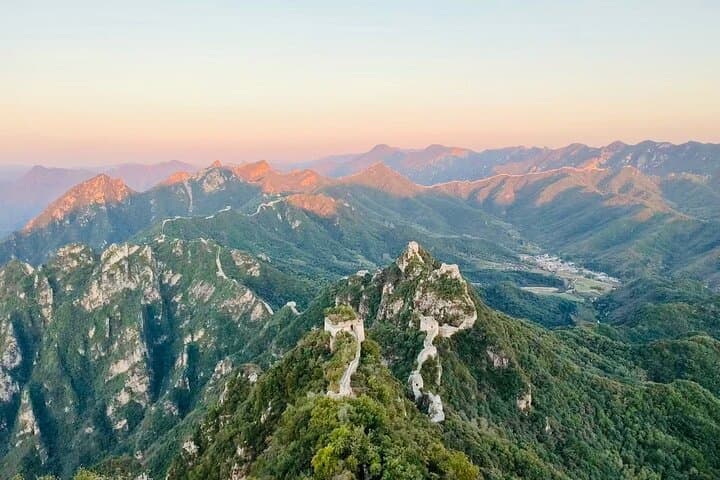
Morning light slices the mountain air as your guide collects you at a Beijing hotel and the city gives way to terraced fields. After roughly 1.5 hours of road, the wall appears—not as a single monument but as two faces of history: the jagged, unrestored Jiankou rising like a challenge, and the regenerated terraces of Mutianyu unmarred by time.
Verified experiences and guided adventures in the surrounding area.
Operated by Catherine Lu Tours · Beijing, Beijing
Morning light slices the mountain air as your guide collects you at a Beijing hotel and the city gives way to terraced fields. After roughly 1.5 hours of road, the wall appears—not as a single monument but as two faces of history: the jagged, unrestored Jiankou rising like a challenge, and the regenerated terraces of Mutianyu unmarred by time.
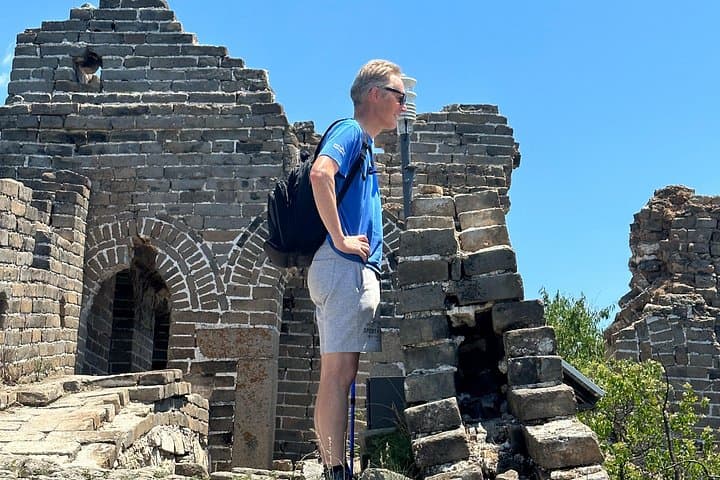
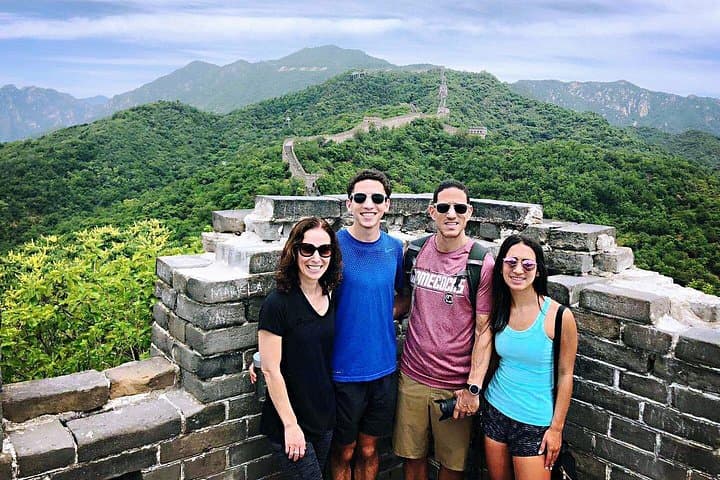
Jiankou’s sharp ridgelines and crumbling watchtowers date to Ming-era construction techniques and centuries of weathering; walking it feels like negotiating living geology—brick, packed earth and steep stone steps. Mutianyu, restored and reopened, offers broader parapets and accessible towers, a clear contrast that reveals how preservation choices shape visitor experience and landscape stability.
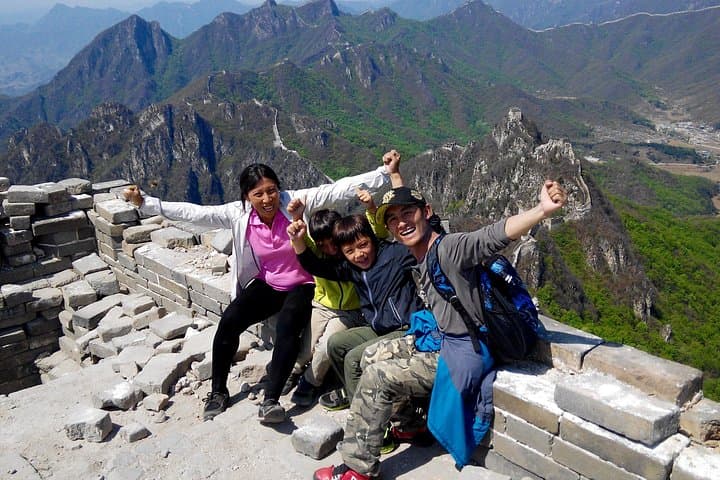
The route between them is a photographer’s playground and a practical hike: expect steep ascents, exposed ridgelines, short sections of scrambling, and roughly 4–8 km of walking depending on which line of wall you follow. The day ends with an optional one-way cable car or a toboggan descent at Mutianyu.
Practical essentials: bring sturdy shoes, layered clothing, at least 1–2 liters of water, sun protection, and a small first-aid kit. Start early to avoid crowds at Mutianyu, and listen to your guide on route choices—Jiankou’s “wild” sections require caution and steady footing. The tour includes entrance tickets, picnic lunch, bottled water, a private vehicle and guide, making this a concentrated, comparative Great Wall experience that pairs raw wilderness with restored access.
moderate.
5 hours.
Moderate—comfortable on uneven terrain, able to handle sustained climbs and brief scrambling.
The tour is rated moderate: expect several steep climbs and short exposed scrambles on Jiankou; a reasonable level of fitness and surefootedness is recommended.
Yes—your booking includes one-way descent by cable car or toboggan from Mutianyu, subject to operator schedules and weather.
The tour includes a private guide, entrance tickets, bottled water, picnic lunch, and round-trip private transfer from Beijing hotels as listed by the operator.
Standard policy: full refund if you cancel at least 24 hours before departure; the operator typically runs in most weather—dress accordingly and confirm with your guide.
Sections of the Great Wall around Beijing were expanded and rebuilt during the Ming dynasty; Jiankou retains unrestored Ming-era masonry, while Mutianyu was restored in the 20th century for tourism.
Erosion and foot traffic are ongoing concerns—stick to established paths, avoid climbing fragile towers, and support local guides who practice low-impact tourism.
Catherine Lu Tours operates guided outdoor trips and adventures with an emphasis on safety, stewardship, and memorable experiences.
Morning light slices the mountain air as your guide collects you at a Beijing hotel and the city gives way to terraced fields. After roughly 1.5 hours of road, the wall appears—not as a single monument but as two faces of history: the jagged, unrestored Jiankou rising like a challenge, and the regenerated terraces of Mutianyu unmarred by time.
Morning light slices the mountain air as your guide collects you at a Beijing hotel and the city gives way to terraced fields. After roughly 1.5 hours of road, the wall appears—not as a single monument but as two faces of history: the jagged, unrestored Jiankou rising like a challenge, and the regenerated terraces of Mutianyu unmarred by time.
Jiankou’s sharp ridgelines and crumbling watchtowers date to Ming-era construction techniques and centuries of weathering; walking it feels like negotiating living geology—brick, packed earth and steep stone steps. Mutianyu, restored and reopened, offers broader parapets and accessible towers, a clear contrast that reveals how preservation choices shape visitor experience and landscape stability.
The route between them is a photographer’s playground and a practical hike: expect steep ascents, exposed ridgelines, short sections of scrambling, and roughly 4–8 km of walking depending on which line of wall you follow. The day ends with an optional one-way cable car or a toboggan descent at Mutianyu.
Practical essentials: bring sturdy shoes, layered clothing, at least 1–2 liters of water, sun protection, and a small first-aid kit. Start early to avoid crowds at Mutianyu, and listen to your guide on route choices—Jiankou’s “wild” sections require caution and steady footing. The tour includes entrance tickets, picnic lunch, bottled water, a private vehicle and guide, making this a concentrated, comparative Great Wall experience that pairs raw wilderness with restored access.