THE ADVENTURE COLLECTIVE® · Independent discovery and booking for outdoor travel

Hike from the raw, unrestored ridges of Jiankou to the fully restored towers at Mutianyu on a private day tour from Beijing. Expect steep scrambles, expansive views, and a mix of wild wall and tourist-ready sections.
Hike from the raw, unrestored ridges of Jiankou to the fully restored towers at Mutianyu on a private day tour from Beijing. Expect steep scrambles, expansive views, and a mix of wild wall and tourist-ready sections.
Dawn breaks over jagged battlements as you climb out of the Huairou valley: dusted brick, wind-driven grass, and the wall’s silhouette cutting like a hand against the sky. The first kilometers at Jiankou put the wild face of the Great Wall in close view—unrestored crenellations, narrow ridgelines and sections that ask you to pick your footholds carefully.
Verified experiences and guided adventures in the surrounding area.
Operated by Beijing Tour Guide · Beijing, Beijing
Dawn breaks over jagged battlements as you climb out of the Huairou valley: dusted brick, wind-driven grass, and the wall’s silhouette cutting like a hand against the sky. The first kilometers at Jiankou put the wild face of the Great Wall in close view—unrestored crenellations, narrow ridgelines and sections that ask you to pick your footholds carefully.
This route stitches two eras of the Ming Dynasty frontier together. Jiankou retains raw, original masonry and dramatic collapse zones that tell of centuries of wear; Mutianyu, by contrast, is a fully restored defensive line that once guarded the approaches to the imperial plain. The ridges sit on the northern foothills of the Yanshan range, where steep, rocky outcrops and quick-changing exposure shape short, sharp climbs.
Culturally, the wall here served both military and symbolic purposes—watchtowers for signaling and villages that supported soldiers. Today local guides translate that history into manageable steps and safer route choices.
Practical guidance: expect roughly 3 hours on-wall hiking between Jiankou and Mutianyu—about 6–7 km—over uneven, steep terrain that includes short scrambles and loose stone. The full private day runs 9–10 hours including transfers from Beijing, a late lunch, and time at Mutianyu where you can descend by cable car or toboggan (optional, extra cost). Bring sturdy boots, 2+ liters of water, layered clothing for wind on exposed ridgelines, and snacks for the long transfer. This is a challenging, guided hike best suited to experienced walkers who are comfortable on unmaintained stone and exposed slopes.
challenging.
9–10 hours.
Good cardiovascular fitness and prior hiking experience; comfortable with steep, uneven terrain and short scrambling sections.
The on-wall section is challenging: uneven, steep and partially unrestored; expect short scrambles and loose stone. The full day including transfers runs about 9–10 hours.
Yes—both are available at Mutianyu but are optional and cost extra; they are useful for tired knees after the hike.
This tour is not recommended for pregnant travelers and operators advise against children under 8 due to the difficulty and exposed sections at Jiankou.
Spring and autumn offer the most comfortable temperatures and clearer skies; avoid heavy rains and icy winter conditions on exposed ridgelines.
The Jiankou–Mutianyu corridor dates to the Ming Dynasty (1368–1644); Jiankou retains unrestored Ming masonry while Mutianyu was rebuilt to protect the capital approaches.
Stay on the guide’s chosen route to limit erosion on fragile masonry; entrance fees and ticketing at Mutianyu support preservation and maintenance efforts.
Beijing Tour Guide operates guided outdoor trips and adventures with an emphasis on safety, stewardship, and memorable experiences.
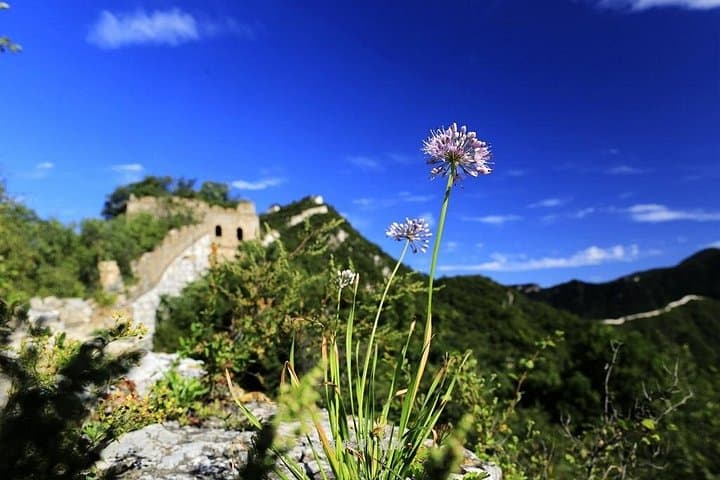
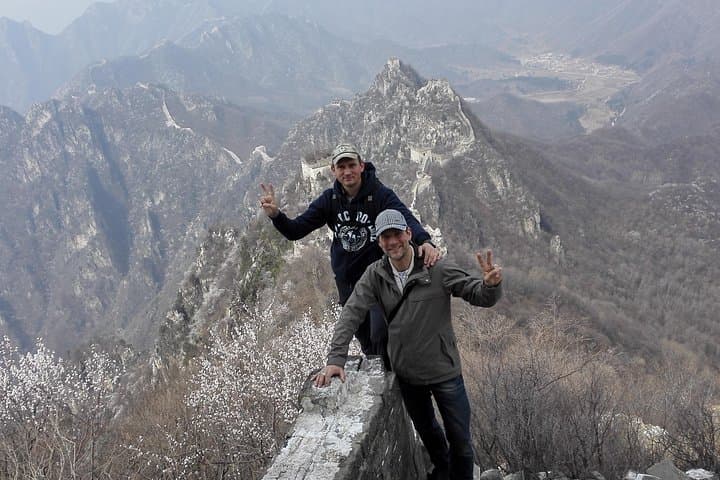
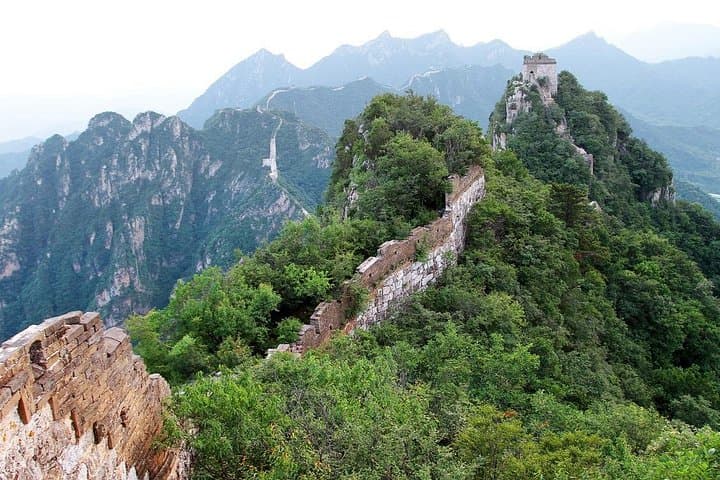
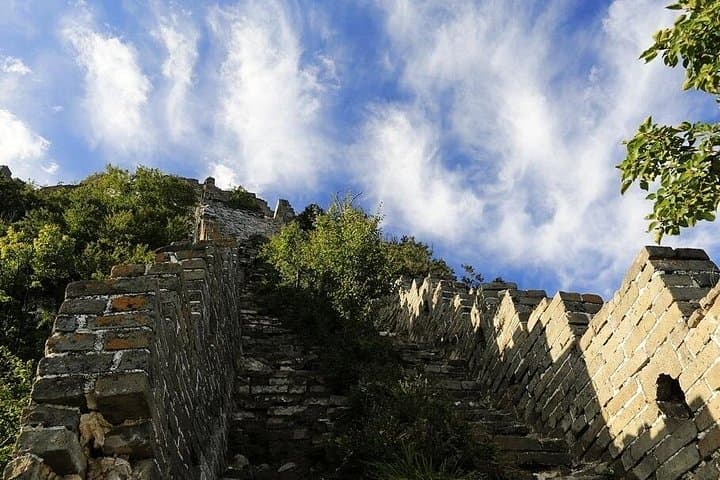
Dawn breaks over jagged battlements as you climb out of the Huairou valley: dusted brick, wind-driven grass, and the wall’s silhouette cutting like a hand against the sky. The first kilometers at Jiankou put the wild face of the Great Wall in close view—unrestored crenellations, narrow ridgelines and sections that ask you to pick your footholds carefully.
Dawn breaks over jagged battlements as you climb out of the Huairou valley: dusted brick, wind-driven grass, and the wall’s silhouette cutting like a hand against the sky. The first kilometers at Jiankou put the wild face of the Great Wall in close view—unrestored crenellations, narrow ridgelines and sections that ask you to pick your footholds carefully.
This route stitches two eras of the Ming Dynasty frontier together. Jiankou retains raw, original masonry and dramatic collapse zones that tell of centuries of wear; Mutianyu, by contrast, is a fully restored defensive line that once guarded the approaches to the imperial plain. The ridges sit on the northern foothills of the Yanshan range, where steep, rocky outcrops and quick-changing exposure shape short, sharp climbs.
Culturally, the wall here served both military and symbolic purposes—watchtowers for signaling and villages that supported soldiers. Today local guides translate that history into manageable steps and safer route choices.
Practical guidance: expect roughly 3 hours on-wall hiking between Jiankou and Mutianyu—about 6–7 km—over uneven, steep terrain that includes short scrambles and loose stone. The full private day runs 9–10 hours including transfers from Beijing, a late lunch, and time at Mutianyu where you can descend by cable car or toboggan (optional, extra cost). Bring sturdy boots, 2+ liters of water, layered clothing for wind on exposed ridgelines, and snacks for the long transfer. This is a challenging, guided hike best suited to experienced walkers who are comfortable on unmaintained stone and exposed slopes.