THE ADVENTURE COLLECTIVE® · Independent discovery and booking for outdoor travel

Leave Beijing for a raw, unrestored stretch of the Great Wall: Jiankou’s jagged ridgeline, steep scrambles and rustic farmhouse meal make for a memorable day hike. Expect a 2‑hour drive each way and about 3 hours on the wall with an English guide handling permits and logistics.
Leave Beijing for a raw, unrestored stretch of the Great Wall: Jiankou’s jagged ridgeline, steep scrambles and rustic farmhouse meal make for a memorable day hike. Expect a 2‑hour drive each way and about 3 hours on the wall with an English guide handling permits and logistics.
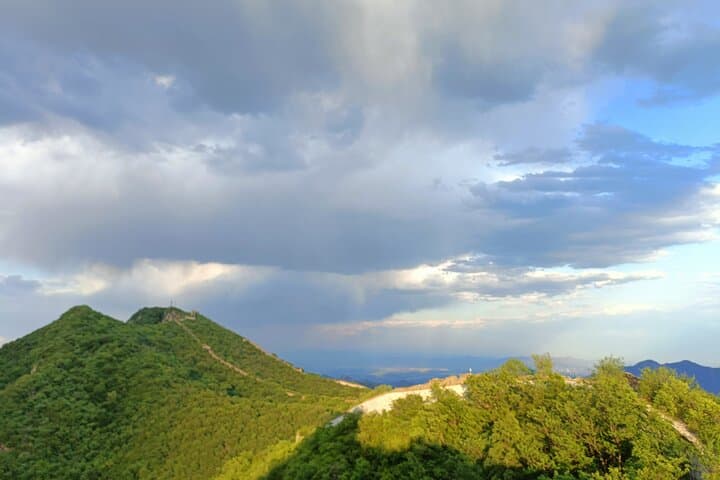
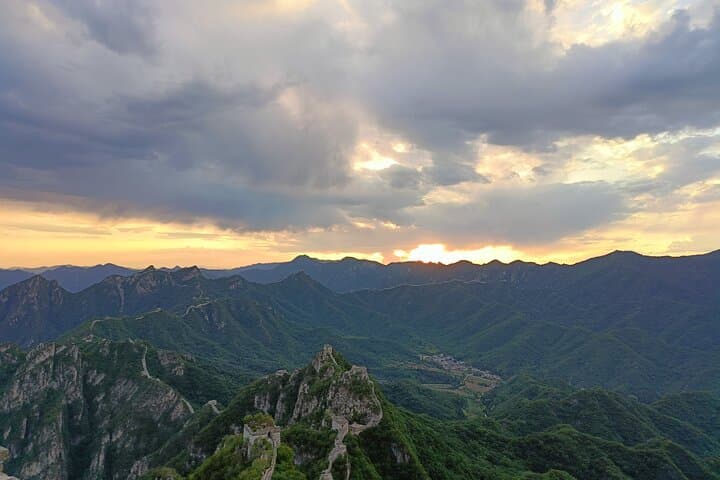
You step out of the car and the city noise fades as dry ridgelines and ruined towers rise ahead — this is Jiankou, the Arrow Nock. The trail climbs quickly from a village dirt road to unrestored stonework; crumbling steps and tilted crenellations demand attention while the ridgeline opens up to a raw, mountainous panorama that seems to dare you onward.
Verified experiences and guided adventures in the surrounding area.
Operated by Stevens Hikes · Beijing, Beijing
You step out of the car and the city noise fades as dry ridgelines and ruined towers rise ahead — this is Jiankou, the Arrow Nock. The trail climbs quickly from a village dirt road to unrestored stonework; crumbling steps and tilted crenellations demand attention while the ridgeline opens up to a raw, mountainous panorama that seems to dare you onward.
Jiankou is a Ming‑era stretch of the Great Wall that follows the jagged spine of the Yan Mountains. Unlike the rebuilt sections near Beijing, Jiankou remains largely unrestored, its architecture weathered by wind and rain and studded with original bricks, arrow slits and watchtowers. The surrounding geology — hard limestone and fractured sandstone — gives the towers a serrated look and creates steep, exposed scrambles between watchpoints. Local villagers in Xizhazi and neighboring hamlets still farm terraced plots and host simple farmhouse meals that reflect northern Chinese rural traditions.
Practically, expect about two hours driving each way from central Beijing, roughly three hours of hiking on uneven, sometimes steep ground, and one hour for a local lunch stop. Wear sturdy hiking shoes with good traction, carry 2–3 liters of water, and bring layers for wind and sun. The route involves short sections of scrambling and unmarked paths; a private English‑speaking guide handles permits and navigation. Start early for cooler temperatures and better light for photos, and be prepared to adjust plans if conditions are wet — the stone becomes slippery. This day tour trades polish for character: it’s physical, photographic, and unmistakably authentic.
challenging.
6–8 hours.
Good aerobic fitness and steady legs for sustained ascents, descents, and short scrambles
The guided hike on Jiankou typically covers about 2–3 hours on the wall itself, depending on pace and chosen route; total tour time with driving is around eight hours.
Jiankou is unrestored and includes exposed, steep sections and short scrambles; beginners with good fitness can join with a guide, but it’s not recommended for those uncomfortable with exposure.
Yes — the private guide organizes entry permits as part of the tour so you won’t need to arrange them yourself.
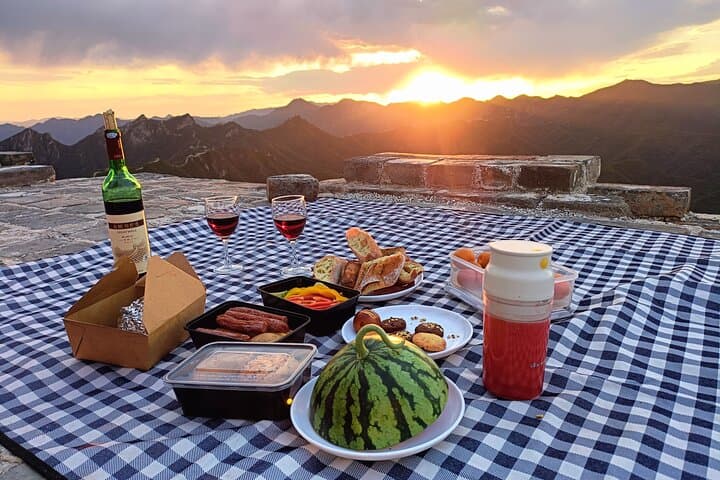
Lunch is a farmhouse style meal with regional dishes such as stir‑fried vegetables, chicken, pancakes and rice — simple, hearty, and reflective of local rural cuisine.
This section of the Great Wall was built and reinforced during the Ming dynasty; Jiankou retains much of its original, unrestored masonry, giving a clear sense of ancient construction methods.
Erosion and vandalism are ongoing concerns—stay off fragile sections, take all trash out, and avoid moving stones to preserve the structure.
Stevens Hikes operates guided outdoor trips and adventures with an emphasis on safety, stewardship, and memorable experiences.

You step out of the car and the city noise fades as dry ridgelines and ruined towers rise ahead — this is Jiankou, the Arrow Nock. The trail climbs quickly from a village dirt road to unrestored stonework; crumbling steps and tilted crenellations demand attention while the ridgeline opens up to a raw, mountainous panorama that seems to dare you onward.
You step out of the car and the city noise fades as dry ridgelines and ruined towers rise ahead — this is Jiankou, the Arrow Nock. The trail climbs quickly from a village dirt road to unrestored stonework; crumbling steps and tilted crenellations demand attention while the ridgeline opens up to a raw, mountainous panorama that seems to dare you onward.
Jiankou is a Ming‑era stretch of the Great Wall that follows the jagged spine of the Yan Mountains. Unlike the rebuilt sections near Beijing, Jiankou remains largely unrestored, its architecture weathered by wind and rain and studded with original bricks, arrow slits and watchtowers. The surrounding geology — hard limestone and fractured sandstone — gives the towers a serrated look and creates steep, exposed scrambles between watchpoints. Local villagers in Xizhazi and neighboring hamlets still farm terraced plots and host simple farmhouse meals that reflect northern Chinese rural traditions.
Practically, expect about two hours driving each way from central Beijing, roughly three hours of hiking on uneven, sometimes steep ground, and one hour for a local lunch stop. Wear sturdy hiking shoes with good traction, carry 2–3 liters of water, and bring layers for wind and sun. The route involves short sections of scrambling and unmarked paths; a private English‑speaking guide handles permits and navigation. Start early for cooler temperatures and better light for photos, and be prepared to adjust plans if conditions are wet — the stone becomes slippery. This day tour trades polish for character: it’s physical, photographic, and unmistakably authentic.