THE ADVENTURE COLLECTIVE® · Independent discovery and booking for outdoor travel

A demanding, largely unrestored stretch of the Great Wall, Jiankou offers steep ridgelines, narrow passages and dramatic views away from the crowds. This private, all-inclusive day tour from Beijing packs guide support, transport and provisions into an 8–9 hour challenge for experienced hikers.
A demanding, largely unrestored stretch of the Great Wall, Jiankou offers steep ridgelines, narrow passages and dramatic views away from the crowds. This private, all-inclusive day tour from Beijing packs guide support, transport and provisions into an 8–9 hour challenge for experienced hikers.
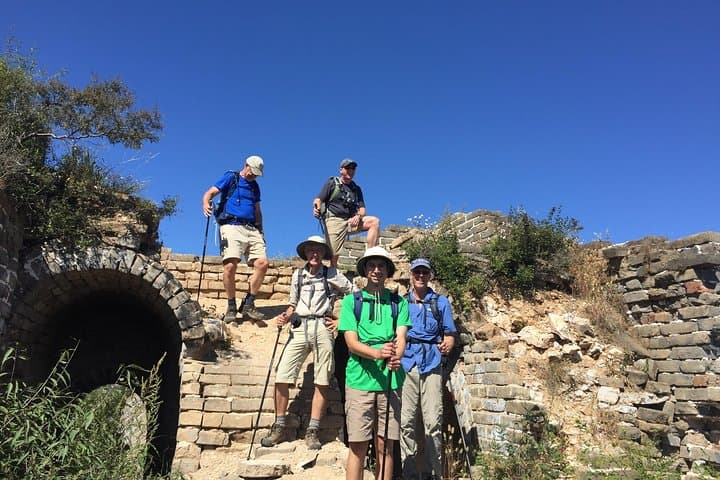
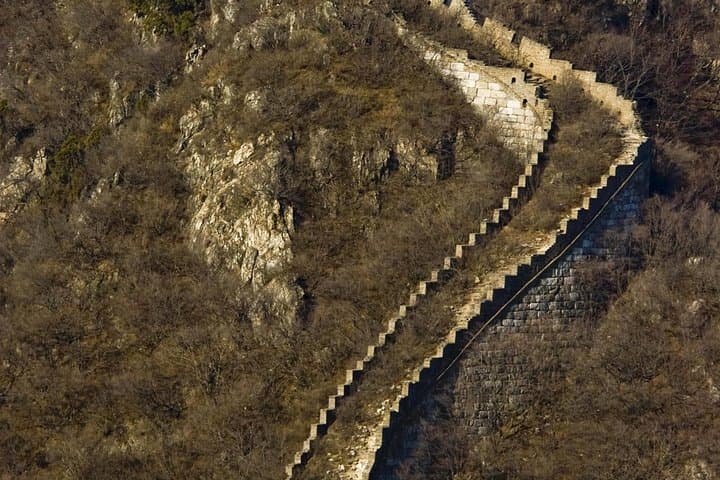
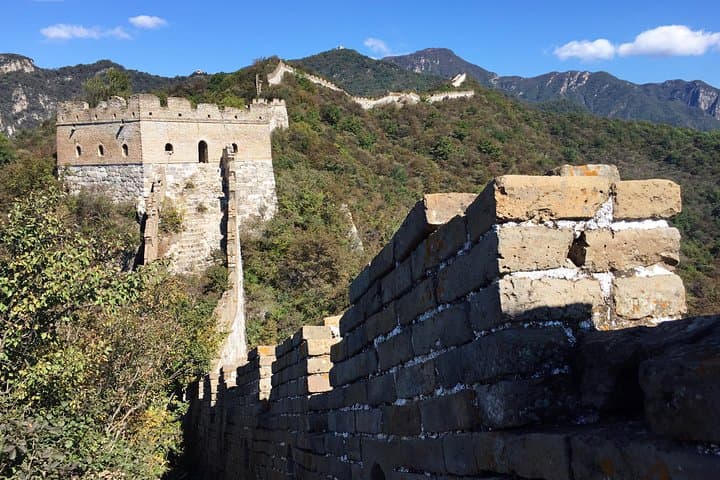
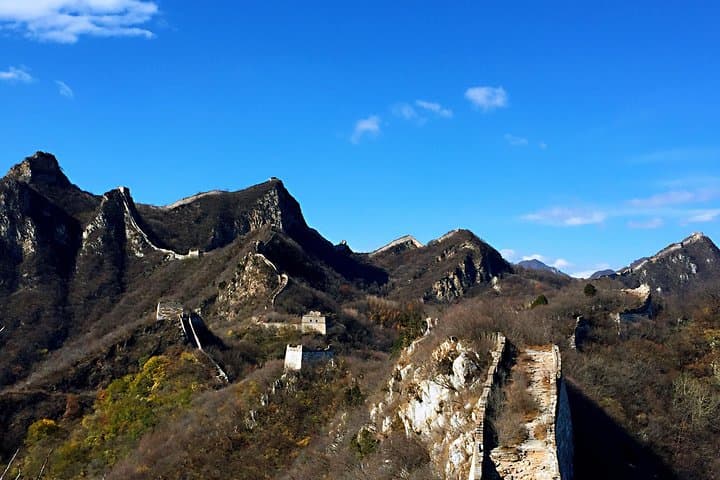
A narrow ridge pulls into view as the minivan drops you at Xizhazi: jagged stone, crumbling steps and the hum of forest that rounds the mountain’s base. The Jiankou section of the Great Wall is raw and steep — cliffs, sudden staircases and exposed ridgelines that demand focus more than force. The guide checks packs, points toward the first scramble, and the wall seems to dare you forward.
Verified experiences and guided adventures in the surrounding area.
Operated by Greatwall Trekclub · Huairou, Beijing
A narrow ridge pulls into view as the minivan drops you at Xizhazi: jagged stone, crumbling steps and the hum of forest that rounds the mountain’s base. The Jiankou section of the Great Wall is raw and steep — cliffs, sudden staircases and exposed ridgelines that demand focus more than force. The guide checks packs, points toward the first scramble, and the wall seems to dare you forward.
Jiankou, whose name means “arrow nock,” occupies a rugged spine of Huairou County and links east toward Mutianyu. Built and rebuilt across centuries of Ming-era frontier work, the wall here carries the weathered scars of landslides and unfinished restoration; watch for narrow passages like “Ca Bian Guo” and the infamous “San Shi Ba Deng,” a near-vertical pitch of stone steps.
Geology is immediate: steep quartz-schist slopes, loose scree along the base and wind-polished masonry on exposed faces. Local villages in Huairou historically supplied labor and lime mortar; today a handful of hikers share the route with butterflies and vetch.
Practically: this is a demanding, largely unmaintained hike of 4–5 hours on the wall (total tour around 8–9 hours including transfers). Expect uneven footing, exposed drops and sections requiring confident scrambling. The operator provides a professional guide, bottled water, snacks, lunch and hotel pickup in Beijing. Wear stiff-soled hiking boots, carry layers for sudden wind or sun, and leave extra time — the wall moves slowly. Permits and access vary; use an experienced guide and travel insurance for peace of mind.
challenging.
8–9 hours (including transfers); 4–5 hours hiking on the wall.
Requires high cardiovascular fitness, good balance and previous experience on steep, exposed trails
No. Jiankou includes narrow ledges, steep drops and sections of unstable masonry; the tour is recommended only for experienced hikers in good physical condition.
The walking on the wall is about 4–5 hours with frequent steep sections and short scrambles; total door-to-door time from Beijing is roughly 8–9 hours depending on traffic.
Jiankou is partially unrestored and access rules can change; reputable operators handle local access and guide compliance, so book with a licensed provider.
Wear stiff hiking boots, layered clothing for wind and sun, sun protection, 1–2L water, snacks, and a small first-aid kit; the operator supplies bottled water and lunch.
Jiankou’s stonework dates largely to Ming dynasty frontier construction; many sections were never fully restored and show the raw, original building techniques and subsequent collapse.
Because much of Jiankou is unrestored, visitors should stick to existing paths, avoid moving stones and carry out all waste; guided tours help minimize erosion and unsafe improvisation.
Greatwall Trekclub operates guided outdoor trips and adventures with an emphasis on safety, stewardship, and memorable experiences.
A narrow ridge pulls into view as the minivan drops you at Xizhazi: jagged stone, crumbling steps and the hum of forest that rounds the mountain’s base. The Jiankou section of the Great Wall is raw and steep — cliffs, sudden staircases and exposed ridgelines that demand focus more than force. The guide checks packs, points toward the first scramble, and the wall seems to dare you forward.
A narrow ridge pulls into view as the minivan drops you at Xizhazi: jagged stone, crumbling steps and the hum of forest that rounds the mountain’s base. The Jiankou section of the Great Wall is raw and steep — cliffs, sudden staircases and exposed ridgelines that demand focus more than force. The guide checks packs, points toward the first scramble, and the wall seems to dare you forward.
Jiankou, whose name means “arrow nock,” occupies a rugged spine of Huairou County and links east toward Mutianyu. Built and rebuilt across centuries of Ming-era frontier work, the wall here carries the weathered scars of landslides and unfinished restoration; watch for narrow passages like “Ca Bian Guo” and the infamous “San Shi Ba Deng,” a near-vertical pitch of stone steps.
Geology is immediate: steep quartz-schist slopes, loose scree along the base and wind-polished masonry on exposed faces. Local villages in Huairou historically supplied labor and lime mortar; today a handful of hikers share the route with butterflies and vetch.
Practically: this is a demanding, largely unmaintained hike of 4–5 hours on the wall (total tour around 8–9 hours including transfers). Expect uneven footing, exposed drops and sections requiring confident scrambling. The operator provides a professional guide, bottled water, snacks, lunch and hotel pickup in Beijing. Wear stiff-soled hiking boots, carry layers for sudden wind or sun, and leave extra time — the wall moves slowly. Permits and access vary; use an experienced guide and travel insurance for peace of mind.