THE ADVENTURE COLLECTIVE® · Independent discovery and booking for outdoor travel

A compact forest trek from Rishikesh to the Jhilmil Cave and Neelkanth Mahadev Temple that blends off-the-beaten-path spirituality with Himalayan views. Expect a 6 km round trip with short steep segments, cave acoustics, and private transport back to Rishikesh.
A compact forest trek from Rishikesh to the Jhilmil Cave and Neelkanth Mahadev Temple that blends off-the-beaten-path spirituality with Himalayan views. Expect a 6 km round trip with short steep segments, cave acoustics, and private transport back to Rishikesh.
The forest opens like a held breath as you leave Rishikesh behind: rhododendron and oak crowd a narrow track, and the path climbs with the kind of insistence that wakes your calves. After a private drive into the foothills, the 6 km round-trip trail leads to Jhilmil Cave — a compact, echoing hollow where Baba Gorakhnath is said to have meditated — and continues toward the sacred Neelkanth Mahadev Temple sitting high on Manikoot Parvat at roughly 1,330 m.
Verified experiences and guided adventures in the surrounding area.
Operated by Rishikesh Day Tour · Rishikesh, Uttarakhand
The forest opens like a held breath as you leave Rishikesh behind: rhododendron and oak crowd a narrow track, and the path climbs with the kind of insistence that wakes your calves. After a private drive into the foothills, the 6 km round-trip trail leads to Jhilmil Cave — a compact, echoing hollow where Baba Gorakhnath is said to have meditated — and continues toward the sacred Neelkanth Mahadev Temple sitting high on Manikoot Parvat at roughly 1,330 m.
Geology here is close-reading: Himalayan flank rock, karst pockets and weathered granite that form small caverns and natural drains. The caves—Jhilmil, Ganesh Gufa, Hanuman Gufa—carry sound; chant an “Om” and the walls return it like a second voice. Culturally, this trek threads local pilgrimage with forest life: locals come for prayer and picnickers for the view, while pilgrims visit Neelkanth during Shravan and Maha Shivratri.
Expect narrow, sometimes rocky tread with short steep sections; the route is straightforward but can be slippery in monsoon. Wildlife includes mountain birds and gray langurs that watch from branches.
Practical guidance: start early for cooler air and clearer views, bring 1–1.5 liters of water, sturdy shoes with good grip, and a headlamp if you plan to enter the cave. Dress modestly for temple visits and carry a small daypack for snacks and a wind layer. The guided format includes return private transport to Rishikesh and a local English-speaking guide — useful for interpretation and safe route-finding on the less-marked sections. Timing, footwear, and respect for the sacred sites make this a compact Himalayan day that balances solitude, spirituality, and wide mountain air.
moderate.
3–4 hours.
Suitable for someone with regular aerobic fitness and experience on short uphill trails; be able to handle continuous walking and short steep sections.
The route is about 6 km round trip with short, steep segments; generally moderate and takes 3–4 hours including stops.
No special permits are typically required; the guided tour and private transport handle logistics and any local entry practices.
The cave has uneven ground and low light; children and older adults should be supervised and may need assistance—assess mobility before attempting.
Yes, the excursion includes an English-speaking local guide and private round-trip transport from Rishikesh as part of the tour package.
The cave is linked to Baba Gorakhnath’s meditation tradition; Neelkanth Mahadev Temple is tied to Hindu Shiva mythology and draws pilgrims especially in Shravan and Maha Shivratri.
Trails are fragile—stick to existing paths, carry out trash, and avoid disturbing cave formations or temple offerings to minimize impact.
Rishikesh Day Tour operates guided outdoor trips and adventures with an emphasis on safety, stewardship, and memorable experiences.
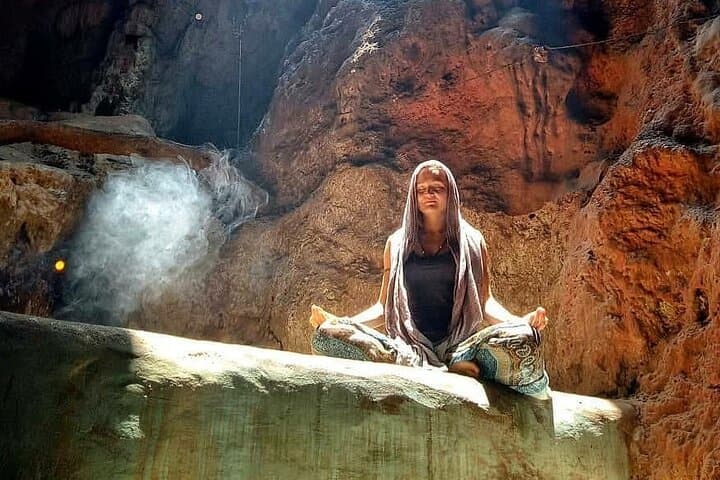
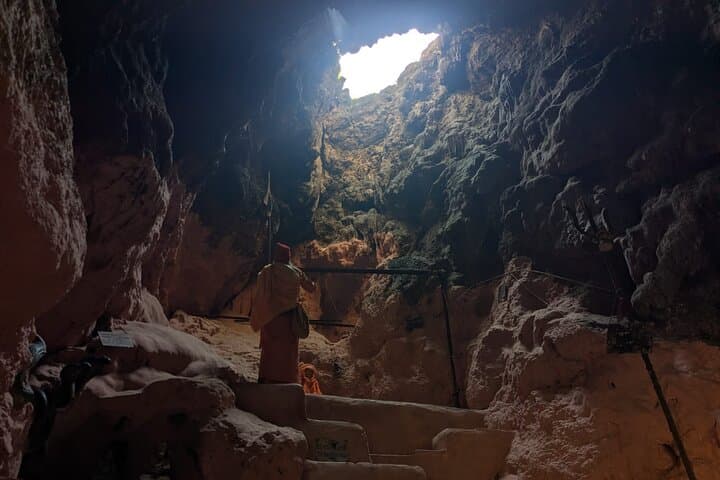
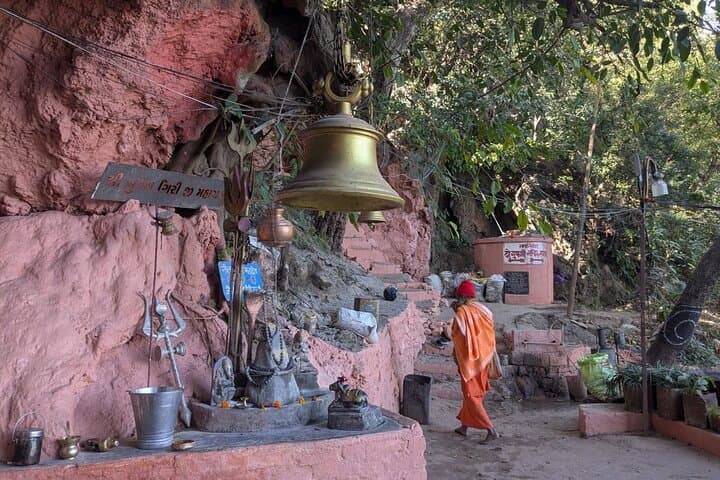
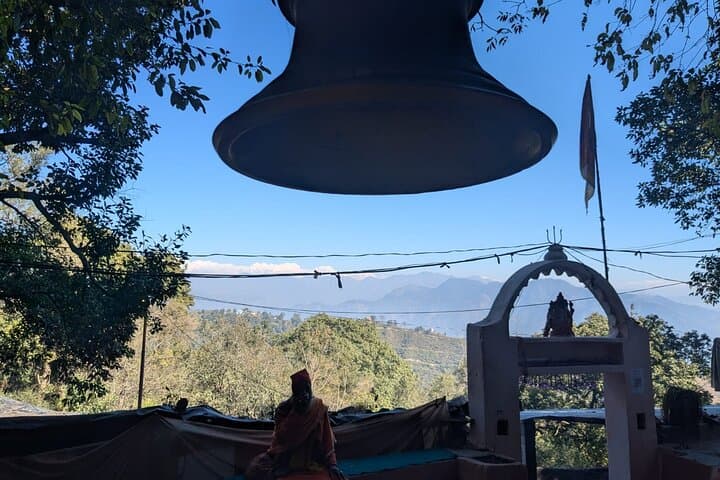
The forest opens like a held breath as you leave Rishikesh behind: rhododendron and oak crowd a narrow track, and the path climbs with the kind of insistence that wakes your calves. After a private drive into the foothills, the 6 km round-trip trail leads to Jhilmil Cave — a compact, echoing hollow where Baba Gorakhnath is said to have meditated — and continues toward the sacred Neelkanth Mahadev Temple sitting high on Manikoot Parvat at roughly 1,330 m.
The forest opens like a held breath as you leave Rishikesh behind: rhododendron and oak crowd a narrow track, and the path climbs with the kind of insistence that wakes your calves. After a private drive into the foothills, the 6 km round-trip trail leads to Jhilmil Cave — a compact, echoing hollow where Baba Gorakhnath is said to have meditated — and continues toward the sacred Neelkanth Mahadev Temple sitting high on Manikoot Parvat at roughly 1,330 m.
Geology here is close-reading: Himalayan flank rock, karst pockets and weathered granite that form small caverns and natural drains. The caves—Jhilmil, Ganesh Gufa, Hanuman Gufa—carry sound; chant an “Om” and the walls return it like a second voice. Culturally, this trek threads local pilgrimage with forest life: locals come for prayer and picnickers for the view, while pilgrims visit Neelkanth during Shravan and Maha Shivratri.
Expect narrow, sometimes rocky tread with short steep sections; the route is straightforward but can be slippery in monsoon. Wildlife includes mountain birds and gray langurs that watch from branches.
Practical guidance: start early for cooler air and clearer views, bring 1–1.5 liters of water, sturdy shoes with good grip, and a headlamp if you plan to enter the cave. Dress modestly for temple visits and carry a small daypack for snacks and a wind layer. The guided format includes return private transport to Rishikesh and a local English-speaking guide — useful for interpretation and safe route-finding on the less-marked sections. Timing, footwear, and respect for the sacred sites make this a compact Himalayan day that balances solitude, spirituality, and wide mountain air.