THE ADVENTURE COLLECTIVE® · Independent discovery and booking for outdoor travel

Head into Jhalana’s rocky scrub in an open 4x4 to track leopards and other urban-wildlife on a short, structured safari from Jaipur. Expect close-range wildlife viewing, early starts, and a small conservancy model that blends community stewardship with protection.
Head into Jhalana’s rocky scrub in an open 4x4 to track leopards and other urban-wildlife on a short, structured safari from Jaipur. Expect close-range wildlife viewing, early starts, and a small conservancy model that blends community stewardship with protection.
Dawn breaks over scrub and sandstone as an open 4x4 rattles along a rutted track into Jhalana. The first light slants through low acacia and khejri; the scrub calls with bird chatter while the underbrush seems to hold its breath. A leopard might appear as a ghost between boulders or slip off a ridge like a shadow obeying its own timetable.
Verified experiences and guided adventures in the surrounding area.
Operated by World Of Wilders · Jaipur, Rajasthan
Dawn breaks over scrub and sandstone as an open 4x4 rattles along a rutted track into Jhalana. The first light slants through low acacia and khejri; the scrub calls with bird chatter while the underbrush seems to hold its breath. A leopard might appear as a ghost between boulders or slip off a ridge like a shadow obeying its own timetable.
Once part of royal hunting grounds and now Rajasthan’s first designated leopard site, Jhalana is an unexpected pocket of wildlife within Jaipur’s urban fringe. The terrain is a patchwork of rocky outcrops, dry deciduous woodland and sparse grass that funnels animals into predictable pathways — useful for trackers and patient photographers. Local villagers historically coexisted with this landscape; today community-managed patrols and a small interpretation centre help bridge tourism and conservation.
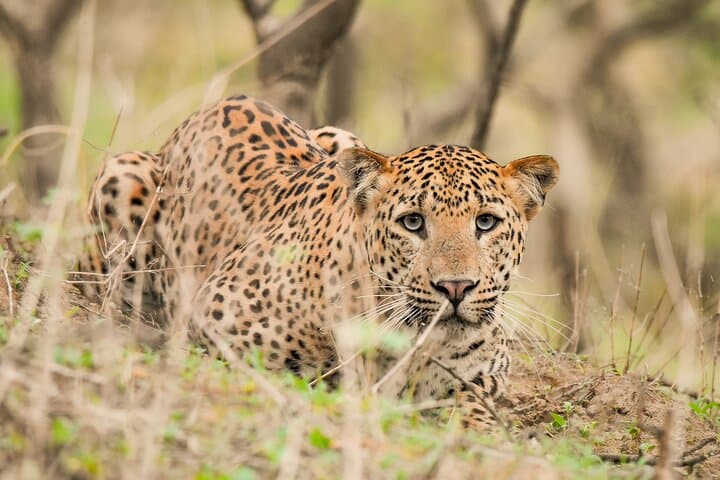
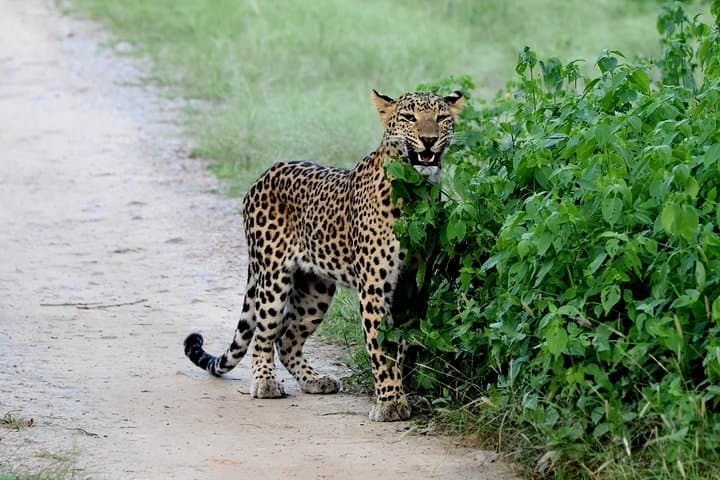
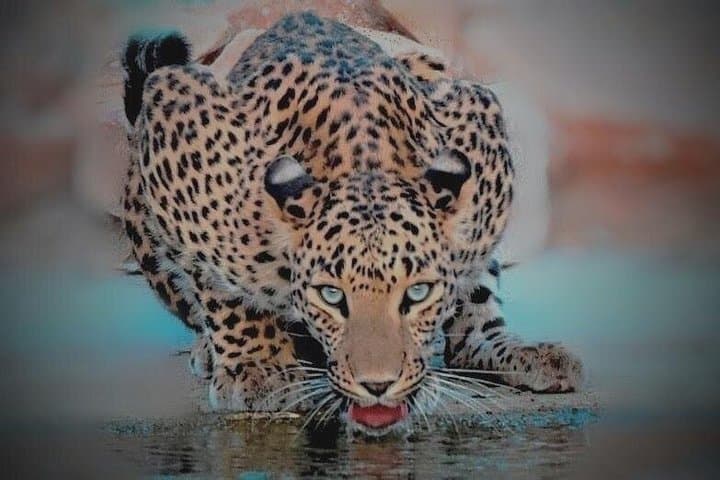
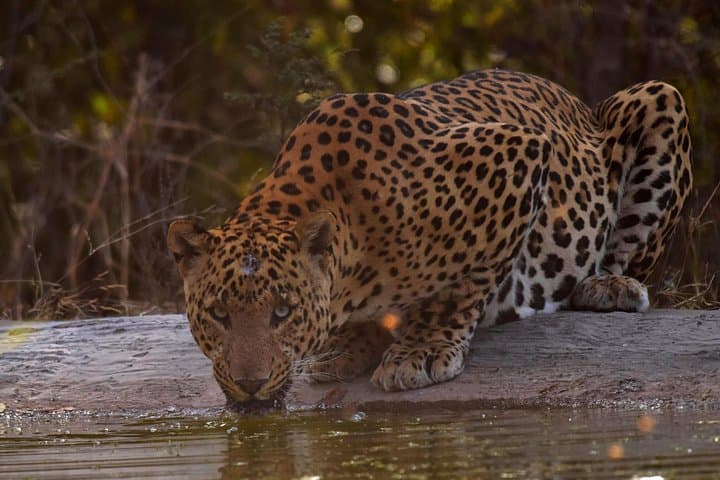
On a safari you’ll watch for patterned rosettes on rocky ledges, hyenas picking through dawn light, and langurs sounding alarms from treetops. Guides read spoor and bird calls; the park’s geology—ancient Vindhyan sandstone—creates the caves and crevices leopards favor.
Practicalities: tours run early morning and late afternoon, last roughly 2–3 hours, and operate in open 4WD vehicles with permits included. Dress in muted layers, bring binoculars and a long lens if photographing. Winters are cold; summers are hot and dusty. Wildlife sightings are never guaranteed, so go prepared to learn the landscape as much as to see the cat.
easy.
2–3 hours.
Minimal fitness required; suitable for most visitors who can climb into and out of an open 4x4.
Leopards are present in Jhalana but sightings are not guaranteed—early morning and late afternoon safaris increase your odds and expert local naturalists improve chances.
The park lists wheelchair accessibility; check with the operator about vehicle options and assistance to board an open 4x4.
Safari permits and still-camera fees are included in the tour’s listed inclusions; confirm with your booking about video or professional equipment charges.
October to March offers cooler temperatures and comfortable wildlife viewing; summer mornings can work but expect heat and dust.
Jhalana was part of former royal hunting lands and has transitioned to a community-informed leopard conservancy—the first of its kind in Rajasthan.
The reserve operates with a focus on non-invasive vehicle safaris, community engagement and habitat protection to reduce human-wildlife conflict and support local livelihoods.
World Of Wilders operates guided outdoor trips and adventures with an emphasis on safety, stewardship, and memorable experiences.
Dawn breaks over scrub and sandstone as an open 4x4 rattles along a rutted track into Jhalana. The first light slants through low acacia and khejri; the scrub calls with bird chatter while the underbrush seems to hold its breath. A leopard might appear as a ghost between boulders or slip off a ridge like a shadow obeying its own timetable.
Dawn breaks over scrub and sandstone as an open 4x4 rattles along a rutted track into Jhalana. The first light slants through low acacia and khejri; the scrub calls with bird chatter while the underbrush seems to hold its breath. A leopard might appear as a ghost between boulders or slip off a ridge like a shadow obeying its own timetable.
Once part of royal hunting grounds and now Rajasthan’s first designated leopard site, Jhalana is an unexpected pocket of wildlife within Jaipur’s urban fringe. The terrain is a patchwork of rocky outcrops, dry deciduous woodland and sparse grass that funnels animals into predictable pathways — useful for trackers and patient photographers. Local villagers historically coexisted with this landscape; today community-managed patrols and a small interpretation centre help bridge tourism and conservation.
On a safari you’ll watch for patterned rosettes on rocky ledges, hyenas picking through dawn light, and langurs sounding alarms from treetops. Guides read spoor and bird calls; the park’s geology—ancient Vindhyan sandstone—creates the caves and crevices leopards favor.
Practicalities: tours run early morning and late afternoon, last roughly 2–3 hours, and operate in open 4WD vehicles with permits included. Dress in muted layers, bring binoculars and a long lens if photographing. Winters are cold; summers are hot and dusty. Wildlife sightings are never guaranteed, so go prepared to learn the landscape as much as to see the cat.