THE ADVENTURE COLLECTIVE® · Independent discovery and booking for outdoor travel

Ride an open-air jeep into Jhalana’s scrub and granite ridges where leopards hide in plain sight. This half-day safari from Jaipur mixes easy access with high wildlife potential—ideal for quick, city-edge encounters with India’s stealthiest big cat.
Ride an open-air jeep into Jhalana’s scrub and granite ridges where leopards hide in plain sight. This half-day safari from Jaipur mixes easy access with high wildlife potential—ideal for quick, city-edge encounters with India’s stealthiest big cat.
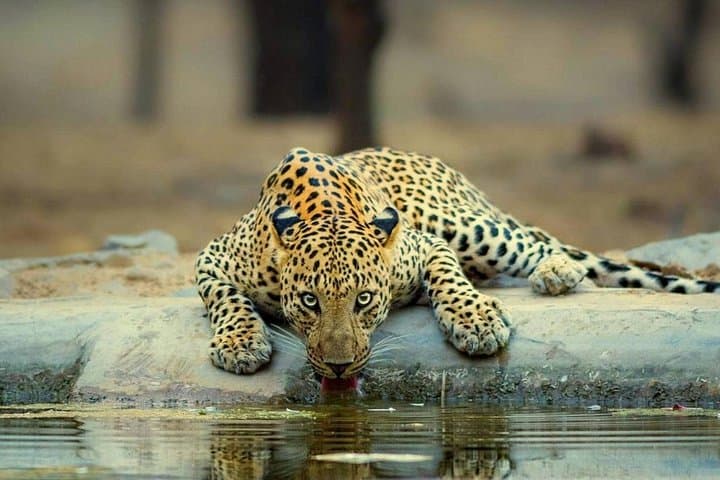
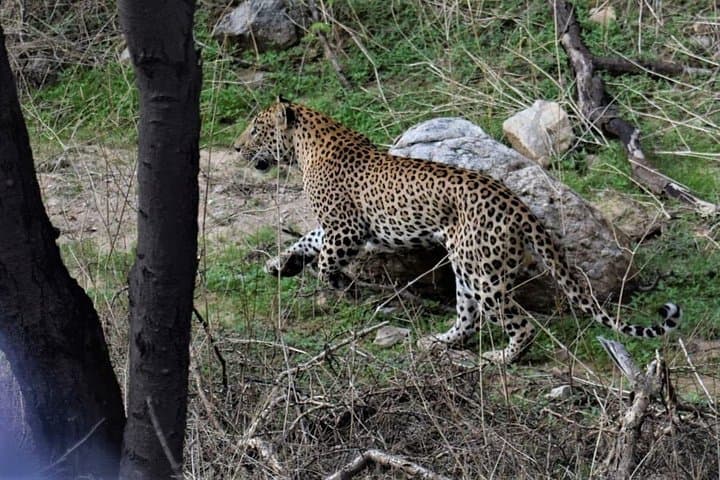
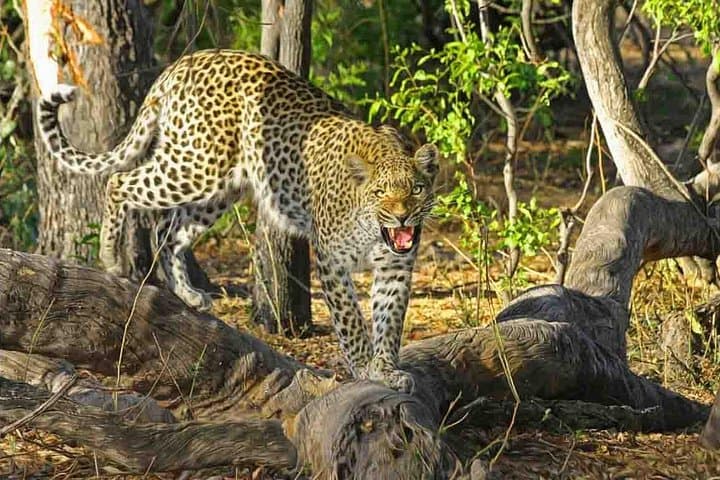
The jeep bumps over a rocky shelf as dawn spills into the scrub—acacia thickets lift like slow hands and the dry grasses seem to watch. In an open-air Gypsy, you move through a pocket of wild on Jaipur’s northern edge: Jhalana’s compact reserve where leopards still slip between boulders and deer lift their heads at the sound of tires.
Verified experiences and guided adventures in the surrounding area.
Operated by Three Corners United · Jaipur, Rajasthan
The jeep bumps over a rocky shelf as dawn spills into the scrub—acacia thickets lift like slow hands and the dry grasses seem to watch. In an open-air Gypsy, you move through a pocket of wild on Jaipur’s northern edge: Jhalana’s compact reserve where leopards still slip between boulders and deer lift their heads at the sound of tires.
Once the hunting grounds of regional royals, Jhalana’s broken ridge and scrub plains are a product of the Aravalli outcrops that bisect Rajasthan; the terrain is hard-packed tracks, low thorn forest, and granite boulders that create natural ambush points for predators. Local villages and temple shrines fringe the park, underscoring the human–wildlife mosaic here: cattle, people, and carnivores share close quarters.
Practically, the safari is a guided, off-road jeep excursion—typically a morning or late-afternoon run lasting roughly three hours inside the park and longer with transfers. Guides know vantage points where leopards or their pugmarks are likely; sightings aren’t guaranteed, but the small reserve’s stable leopard population makes encounters more likely than in larger, wilder parks.
Bring binoculars, neutral-colored clothing, and patience: stillness raises the odds. Expect heat in summer, chilly winds in winter mornings, and dusty tracks year-round. The drive from central Jaipur is short—most operators include hotel pickup and drop-off—and the ride itself is low-impact compared with foot traffic. Respect park rules, keep windows partially closed when instructed, and follow your guide: these measures protect both you and the cats.
easy.
3–5 hours.
Suitable for most fitness levels; participants should be able to climb into and out of a safari jeep.
Early morning and late afternoon safaris offer the highest chance of sightings since leopards are most active around dawn and dusk.
No—leopards are wild and elusive. Jhalana has a healthy population, so encounters are common but never guaranteed.
Yes; the drive is short and the activity is low-impact, but participants should be able to board a jeep and tolerate bumpy tracks.
Typical inclusions are hotel pickup/drop-off, park entry fees, a guided jeep safari, and basic refreshments—confirm specifics with the operator before booking.
Jhalana was historically used as hunting grounds by Jaipur’s rulers; over recent decades it has transitioned into a small urban reserve protecting big cats inside the city’s footprint.
Regulated jeep quotas, guided routes, and community engagement aim to reduce conflict and disturbance—visitors should follow rules to support long-term coexistence.
Three Corners United operates guided outdoor trips and adventures with an emphasis on safety, stewardship, and memorable experiences.

The jeep bumps over a rocky shelf as dawn spills into the scrub—acacia thickets lift like slow hands and the dry grasses seem to watch. In an open-air Gypsy, you move through a pocket of wild on Jaipur’s northern edge: Jhalana’s compact reserve where leopards still slip between boulders and deer lift their heads at the sound of tires.
The jeep bumps over a rocky shelf as dawn spills into the scrub—acacia thickets lift like slow hands and the dry grasses seem to watch. In an open-air Gypsy, you move through a pocket of wild on Jaipur’s northern edge: Jhalana’s compact reserve where leopards still slip between boulders and deer lift their heads at the sound of tires.
Once the hunting grounds of regional royals, Jhalana’s broken ridge and scrub plains are a product of the Aravalli outcrops that bisect Rajasthan; the terrain is hard-packed tracks, low thorn forest, and granite boulders that create natural ambush points for predators. Local villages and temple shrines fringe the park, underscoring the human–wildlife mosaic here: cattle, people, and carnivores share close quarters.
Practically, the safari is a guided, off-road jeep excursion—typically a morning or late-afternoon run lasting roughly three hours inside the park and longer with transfers. Guides know vantage points where leopards or their pugmarks are likely; sightings aren’t guaranteed, but the small reserve’s stable leopard population makes encounters more likely than in larger, wilder parks.
Bring binoculars, neutral-colored clothing, and patience: stillness raises the odds. Expect heat in summer, chilly winds in winter mornings, and dusty tracks year-round. The drive from central Jaipur is short—most operators include hotel pickup and drop-off—and the ride itself is low-impact compared with foot traffic. Respect park rules, keep windows partially closed when instructed, and follow your guide: these measures protect both you and the cats.