THE ADVENTURE COLLECTIVE® · Independent discovery and booking for outdoor travel

A private open-jeep safari into Jhalana Leopard Reserve places you on Jaipur’s wild edge—morning and evening drives reveal leopards, deer, and vivid birdlife. Practical tips on timing, permits, and what to bring will help you make the most of a close-up urban-wilderness encounter.
A private open-jeep safari into Jhalana Leopard Reserve places you on Jaipur’s wild edge—morning and evening drives reveal leopards, deer, and vivid birdlife. Practical tips on timing, permits, and what to bring will help you make the most of a close-up urban-wilderness encounter.
Dust rises in narrow tracks as an open gypsy turns a corner and the scrub of Jhalana opens like a held breath. Early light strips the thorny acacia to gold; peacocks flare from low branches, and a leopard—silent as a shadow—may already be watching from a granite outcrop. This is a reserve where city and wild meet, and the jeep’s low rumble becomes part of the landscape.
Verified experiences and guided adventures in the surrounding area.
Operated by Wild Rajasthan · Jaipur, Rajasthan
Dust rises in narrow tracks as an open gypsy turns a corner and the scrub of Jhalana opens like a held breath. Early light strips the thorny acacia to gold; peacocks flare from low branches, and a leopard—silent as a shadow—may already be watching from a granite outcrop. This is a reserve where city and wild meet, and the jeep’s low rumble becomes part of the landscape.
Jhalana sits on Jaipur’s northeastern fringe, carved from Aravalli foothills and rocky ridgelines that are among the oldest folded formations on the subcontinent. Historically common grazing land and later protected as an urban leopard reserve, it offers an intimate look at dry-deciduous forest ecology and centuries-old stone outcrops that funnel wildlife through narrow corridors.
Culturally, Jhalana joins the everyday life of Jaipur—villages and temples skirt its perimeters and birds like bee-eaters and drongos animate morning calls. Expect a focused, camera-ready experience: private open-jeep safaris run morning and evening (roughly 2.5 hours in-park; 4–5 hours with transfers), permits and entrance fees handled by the operator, and strict rules about staying aboard the vehicle.
Practically: hydrate, bring binoculars and a camera with a telephoto lens, and plan for heat in summer and cool mornings in winter. Travelers must provide ID/passport copies for permits and should book at least several weeks ahead—popular slots fill fast. Guides know local leopard patterns but sightings are never guaranteed; prepare for wildlife encounters that reward patience and quiet observation.
easy.
4–5 hours.
Suitable for most fitness levels; involves sitting in an open jeep and short bumpy rides.
Leopard sightings are common but never guaranteed; Jhalana has an established leopard population and experienced guides who know habitual spots, so early-morning or late-afternoon drives offer the best chance.
Most travelers can participate, but safaris are not recommended for pregnant visitors or those with serious back or heart conditions due to open, bumpy jeep rides.
Operators typically require passport or government ID copies for permit processing—bring originals at pickup for verification.
No; for safety and legal reasons you must remain in the vehicle at all times—do not feed or attempt to touch animals.
Once community grazing land, Jhalana was designated a leopard reserve to protect urban-interface big cats and local dry-forest habitat.
The reserve operates under strict permit systems and guided drives to reduce disturbance; visitors are encouraged to follow quiet protocols and avoid littering.
Wild Rajasthan operates guided outdoor trips and adventures with an emphasis on safety, stewardship, and memorable experiences.
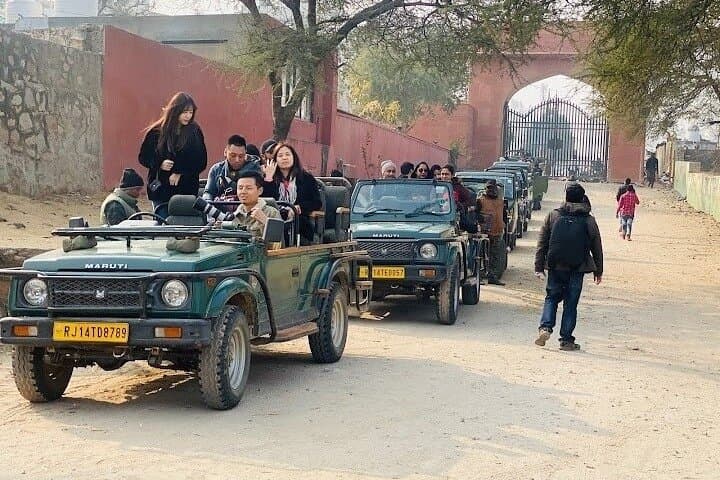
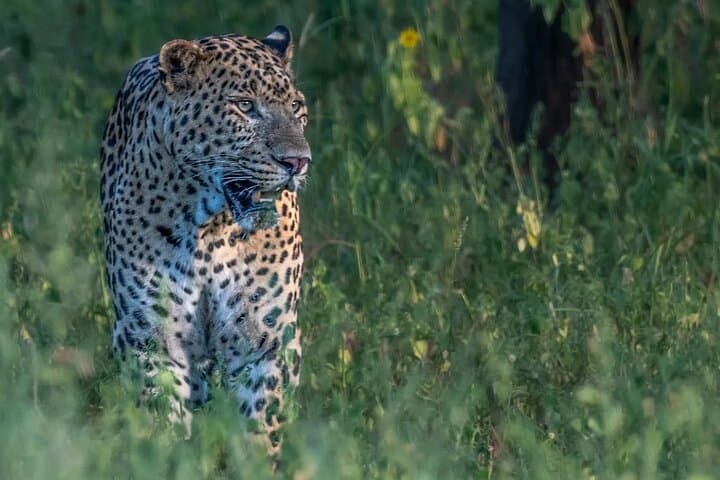
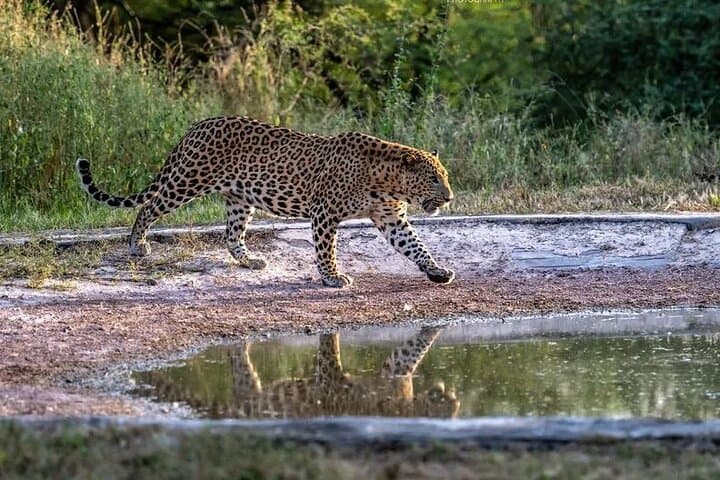
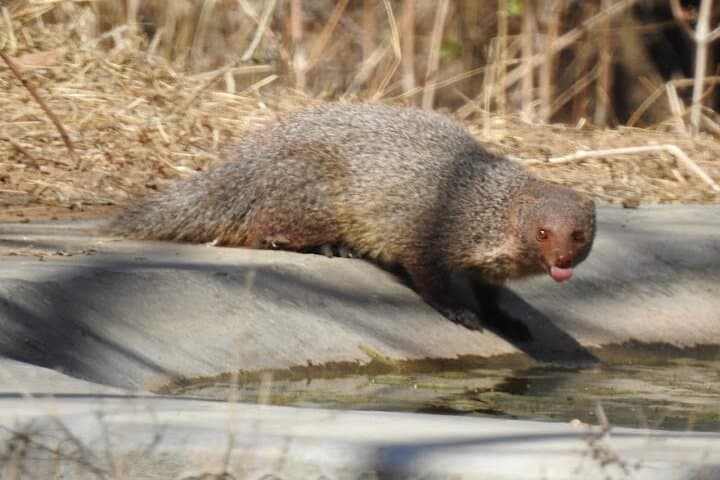
Dust rises in narrow tracks as an open gypsy turns a corner and the scrub of Jhalana opens like a held breath. Early light strips the thorny acacia to gold; peacocks flare from low branches, and a leopard—silent as a shadow—may already be watching from a granite outcrop. This is a reserve where city and wild meet, and the jeep’s low rumble becomes part of the landscape.
Dust rises in narrow tracks as an open gypsy turns a corner and the scrub of Jhalana opens like a held breath. Early light strips the thorny acacia to gold; peacocks flare from low branches, and a leopard—silent as a shadow—may already be watching from a granite outcrop. This is a reserve where city and wild meet, and the jeep’s low rumble becomes part of the landscape.
Jhalana sits on Jaipur’s northeastern fringe, carved from Aravalli foothills and rocky ridgelines that are among the oldest folded formations on the subcontinent. Historically common grazing land and later protected as an urban leopard reserve, it offers an intimate look at dry-deciduous forest ecology and centuries-old stone outcrops that funnel wildlife through narrow corridors.
Culturally, Jhalana joins the everyday life of Jaipur—villages and temples skirt its perimeters and birds like bee-eaters and drongos animate morning calls. Expect a focused, camera-ready experience: private open-jeep safaris run morning and evening (roughly 2.5 hours in-park; 4–5 hours with transfers), permits and entrance fees handled by the operator, and strict rules about staying aboard the vehicle.
Practically: hydrate, bring binoculars and a camera with a telephoto lens, and plan for heat in summer and cool mornings in winter. Travelers must provide ID/passport copies for permits and should book at least several weeks ahead—popular slots fill fast. Guides know local leopard patterns but sightings are never guaranteed; prepare for wildlife encounters that reward patience and quiet observation.