THE ADVENTURE COLLECTIVE® · Independent discovery and booking for outdoor travel

Explore Stockholm’s Jewish past on a private 4.5‑hour walk through Gamla Stan, the Great Synagogue, the Swedish Holocaust Museum and the Vasa Museum. This accessible tour mixes city streets and museums with local history and practical pacing.
Explore Stockholm’s Jewish past on a private 4.5‑hour walk through Gamla Stan, the Great Synagogue, the Swedish Holocaust Museum and the Vasa Museum. This accessible tour mixes city streets and museums with local history and practical pacing.
You step out of Stockholm Central with the station’s bronze Ericsson statue at your back and the city’s cool harbor breath in your face. The guide leads a compact group through cobbled lanes where medieval façades lean toward each other and the Baltic’s channels cut through the city like deliberate seams.
Verified experiences and guided adventures in the surrounding area.
Operated by LOGBI Noureddine · Stockholm, Stockholm
You step out of Stockholm Central with the station’s bronze Ericsson statue at your back and the city’s cool harbor breath in your face. The guide leads a compact group through cobbled lanes where medieval façades lean toward each other and the Baltic’s channels cut through the city like deliberate seams.
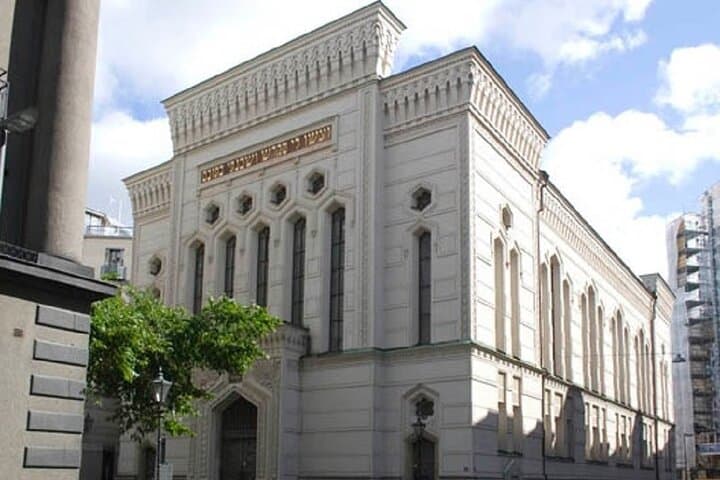
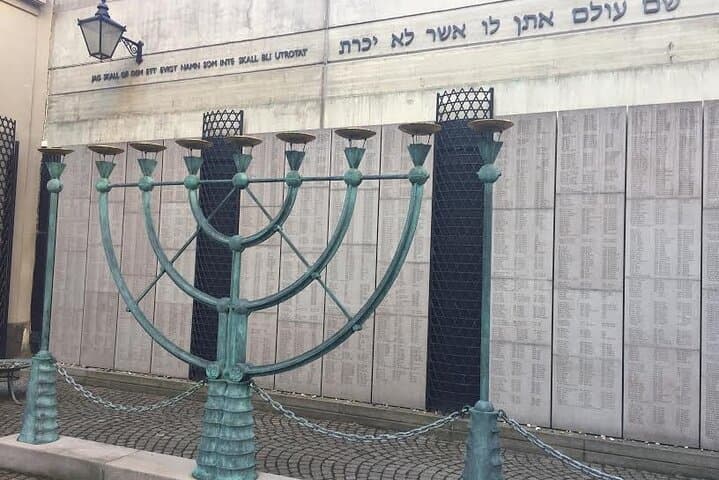
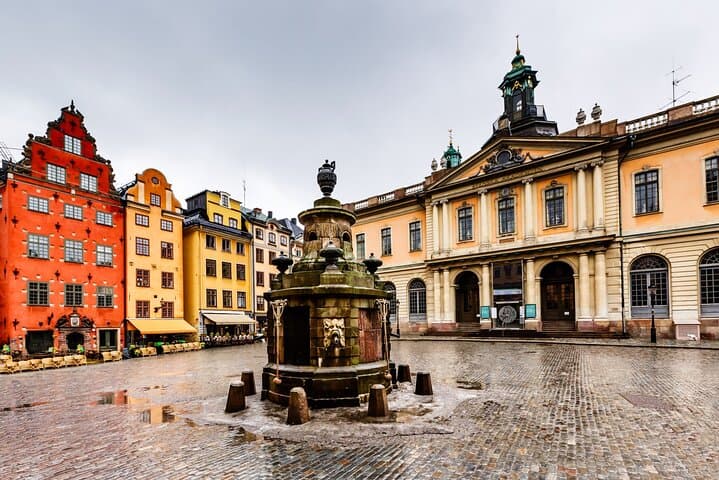
This private, 4.5‑hour tour threads together Stockholm’s Jewish landmarks: the Great Synagogue (1870), the Swedish Holocaust Museum’s contemporary memorial work, and pauses in Gamla Stan to trace 13th‑century urban growth and the darker episodes of early modern politics. The Vasa Museum provides a contrasting chapter — maritime engineering, 17th‑century naval ambition, and the ship’s dramatic recovery after 333 years underwater.
Geology and sea have always shaped Stockholm: post‑glacial rebound lifted islands and gave the city its archipelago edge, channels that once guided timber and tar now reflect museum glass. Cultural context is direct — you’ll hear how Sweden’s Jewish population grew in the 19th century, how synagogues adapted, and how memory politics influence museum interpretation today.
Practical guidance: wear supportive shoes for cobbles and stairs, plan for indoor museum queues even if admission is included, and bring a light layer — wind off the water can be sharp. The pace is customizable and family‑friendly; expect a mix of short walks and seated museum time, with a coffee break at the Vasa Museum. For travelers who value history delivered on foot, this tour balances urban storytelling with tangible sites and clear logistics.
easy.
4–5 hours.
Suitable for most fitness levels; involves several short walks and standing during exhibits
Some sites on the itinerary include admission (Vasa and the Swedish Holocaust Museum); check your booking confirmation for specifics.
Yes—tour pacing is adjustable and content can be moderated, though Holocaust museum material may be sensitive for very young children.
The guide meets and finishes at the main entrance of Stockholm Central Station by the Ericsson statue.
Yes—the operator tailors the itinerary to traveler interests and can linger longer at requested sites.
Stockholm’s Jewish community expanded in the 19th century; the Great Synagogue (1870) reflects contemporary European styles and communal growth, while museums now contextualize wartime memory within Swedish history.
Museums in Stockholm emphasize conservation—Vasa’s preservation lab is a public-facing example—and visitors are encouraged to follow site rules to minimize wear on historic interiors.
LOGBI Noureddine operates guided outdoor trips and adventures with an emphasis on safety, stewardship, and memorable experiences.
You step out of Stockholm Central with the station’s bronze Ericsson statue at your back and the city’s cool harbor breath in your face. The guide leads a compact group through cobbled lanes where medieval façades lean toward each other and the Baltic’s channels cut through the city like deliberate seams.
You step out of Stockholm Central with the station’s bronze Ericsson statue at your back and the city’s cool harbor breath in your face. The guide leads a compact group through cobbled lanes where medieval façades lean toward each other and the Baltic’s channels cut through the city like deliberate seams.
This private, 4.5‑hour tour threads together Stockholm’s Jewish landmarks: the Great Synagogue (1870), the Swedish Holocaust Museum’s contemporary memorial work, and pauses in Gamla Stan to trace 13th‑century urban growth and the darker episodes of early modern politics. The Vasa Museum provides a contrasting chapter — maritime engineering, 17th‑century naval ambition, and the ship’s dramatic recovery after 333 years underwater.
Geology and sea have always shaped Stockholm: post‑glacial rebound lifted islands and gave the city its archipelago edge, channels that once guided timber and tar now reflect museum glass. Cultural context is direct — you’ll hear how Sweden’s Jewish population grew in the 19th century, how synagogues adapted, and how memory politics influence museum interpretation today.
Practical guidance: wear supportive shoes for cobbles and stairs, plan for indoor museum queues even if admission is included, and bring a light layer — wind off the water can be sharp. The pace is customizable and family‑friendly; expect a mix of short walks and seated museum time, with a coffee break at the Vasa Museum. For travelers who value history delivered on foot, this tour balances urban storytelling with tangible sites and clear logistics.