THE ADVENTURE COLLECTIVE® · Independent discovery and booking for outdoor travel

Skip paddling and get to the peak faster with a jet‑ski‑assisted surf session at Barra. This 75‑minute experience pairs tow‑in and wake‑style techniques with safety vests and high‑performance boards so you can catch many more waves in one outing.
Skip paddling and get to the peak faster with a jet‑ski‑assisted surf session at Barra. This 75‑minute experience pairs tow‑in and wake‑style techniques with safety vests and high‑performance boards so you can catch many more waves in one outing.
The jet-ski slices the inlet clean, spraying salt that tastes like the city’s horizon. Within minutes you’re past the breakers and into the take‑off zone—Barra’s long beach stretching left and right, sandbars shifting like clockwork, waves daring you to go faster. The pilot positions you for a perfect wake or a tow-in drop; the ocean pushes, the board answers, and seconds later you’re riding a wave that would take countless paddle strokes to reach.
Verified experiences and guided adventures in the surrounding area.
Operated by JD EDDE · Rio de Janeiro, Rio de Janeiro
The jet-ski slices the inlet clean, spraying salt that tastes like the city’s horizon. Within minutes you’re past the breakers and into the take‑off zone—Barra’s long beach stretching left and right, sandbars shifting like clockwork, waves daring you to go faster. The pilot positions you for a perfect wake or a tow-in drop; the ocean pushes, the board answers, and seconds later you’re riding a wave that would take countless paddle strokes to reach.
Barra da Tijuca’s coastline is young by geological standards: wide beaches and dynamic sandbars formed by sediment carried from nearby rivers and longshore drift. Surf culture here grew alongside Rio’s modern expansion, with local kiosks and lifesaving teams (salva-vidas) shaping a pragmatic beach routine. The jet-ski method borrows from big-wave tow-in techniques developed in the late 20th century and adapts them for consistent beach breaks and peak hunting.
Expect a focused 75‑minute session: safety briefing, fitted impact vests, and high‑performance boards provided. Operators position riders for tow drops, wake-style runs for beginners, and sled-assisted outside positioning for experienced surfers chasing steeper faces. Bring a swimsuit, reef booties if you have sensitive feet, and reef‑safe sunscreen. Be prepared for quick transitions—waves come in sets—and listen to the pilot’s hand signals.
Practical tip: schedule around swell windows (southern swells tend to create cleaner peaks) and avoid low tides when sandbars can close out. This format multiplies waves caught but still demands respect for currents, other surfers, and the pilot’s commands.
moderate.
1–1.5 hours.
Basic swimming ability and comfort in ocean surf; not highly aerobic but expect quick recoveries after wipeouts
No—beginners can use wake‑style rides behind the jet‑ski to catch their first waves; however, comfort in the ocean and basic balance help. The operator adapts runs to ability.
Impact vests and high‑performance surfboards are provided; pilots carry rescue gear and offer a safety briefing before launch.
Sessions vary, but jet‑ski assistance typically multiplies your wave count compared with paddle sessions—expect many quick runs during 75 minutes, depending on conditions and group size.
Participants should be able to swim and not have serious spinal, cardiovascular, or pregnancy concerns; the operator advises against the activity for those conditions.
Surfing in Rio evolved alongside the city’s 20th‑century beachfront development; Barra grew into a major surf zone as its wide beaches and shifting bars created varied peaks.
Operators encourage reef‑safe sunscreen and discourage trampling of dunes; minimizing gear loss and picking up litter helps protect the dynamic shoreline.
JD EDDE operates guided outdoor trips and adventures with an emphasis on safety, stewardship, and memorable experiences.
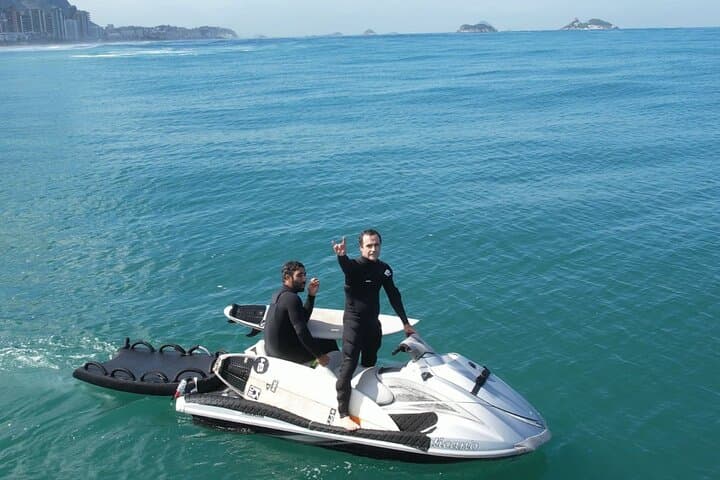
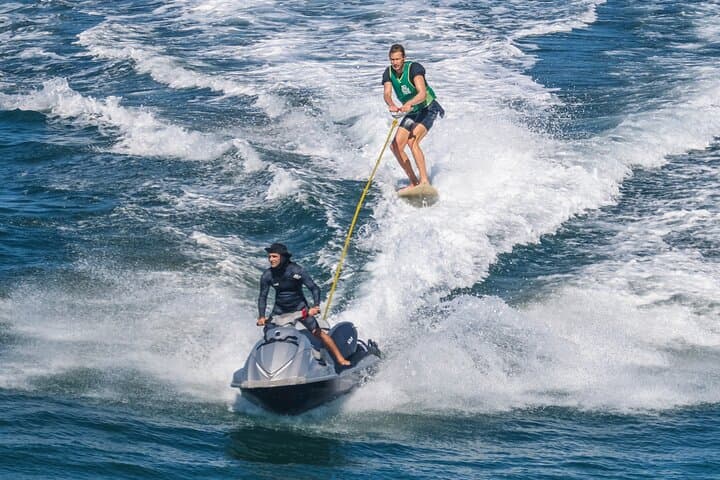
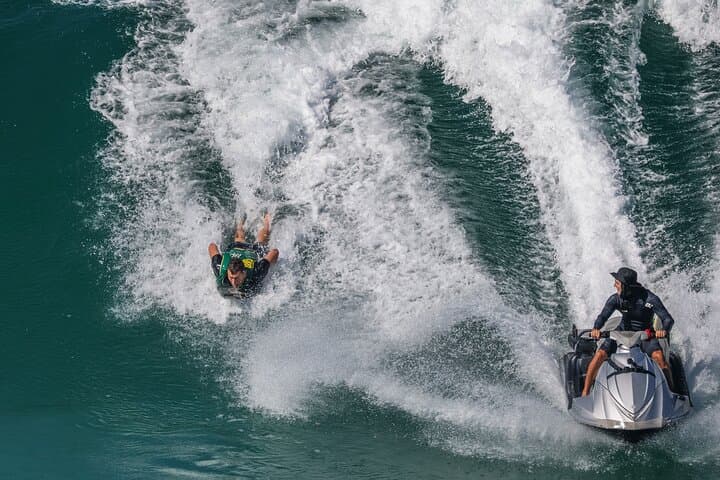
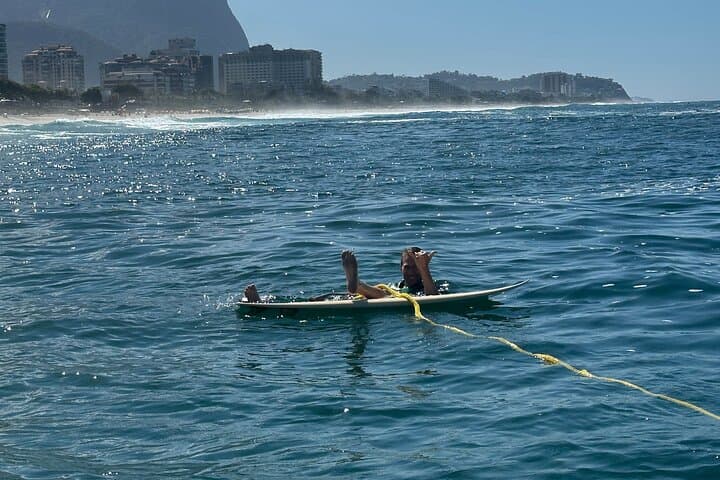
The jet-ski slices the inlet clean, spraying salt that tastes like the city’s horizon. Within minutes you’re past the breakers and into the take‑off zone—Barra’s long beach stretching left and right, sandbars shifting like clockwork, waves daring you to go faster. The pilot positions you for a perfect wake or a tow-in drop; the ocean pushes, the board answers, and seconds later you’re riding a wave that would take countless paddle strokes to reach.
The jet-ski slices the inlet clean, spraying salt that tastes like the city’s horizon. Within minutes you’re past the breakers and into the take‑off zone—Barra’s long beach stretching left and right, sandbars shifting like clockwork, waves daring you to go faster. The pilot positions you for a perfect wake or a tow-in drop; the ocean pushes, the board answers, and seconds later you’re riding a wave that would take countless paddle strokes to reach.
Barra da Tijuca’s coastline is young by geological standards: wide beaches and dynamic sandbars formed by sediment carried from nearby rivers and longshore drift. Surf culture here grew alongside Rio’s modern expansion, with local kiosks and lifesaving teams (salva-vidas) shaping a pragmatic beach routine. The jet-ski method borrows from big-wave tow-in techniques developed in the late 20th century and adapts them for consistent beach breaks and peak hunting.
Expect a focused 75‑minute session: safety briefing, fitted impact vests, and high‑performance boards provided. Operators position riders for tow drops, wake-style runs for beginners, and sled-assisted outside positioning for experienced surfers chasing steeper faces. Bring a swimsuit, reef booties if you have sensitive feet, and reef‑safe sunscreen. Be prepared for quick transitions—waves come in sets—and listen to the pilot’s hand signals.
Practical tip: schedule around swell windows (southern swells tend to create cleaner peaks) and avoid low tides when sandbars can close out. This format multiplies waves caught but still demands respect for currents, other surfers, and the pilot’s commands.